University of Houston tests psilocybin for treatment-resistant depression

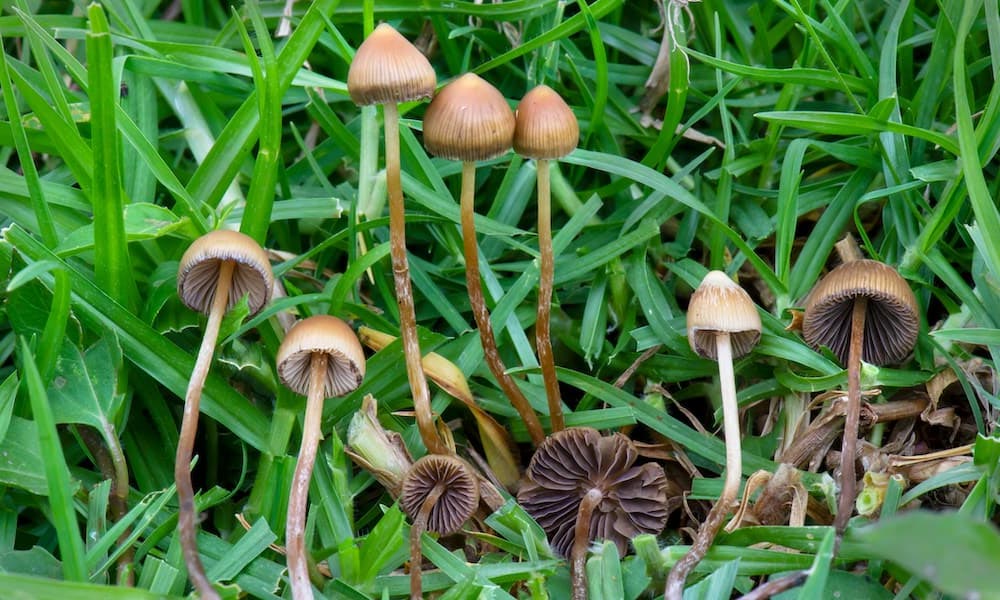
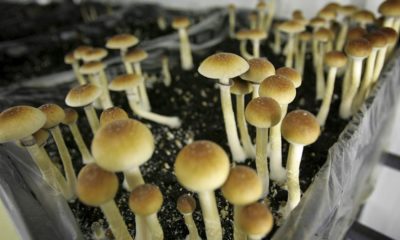
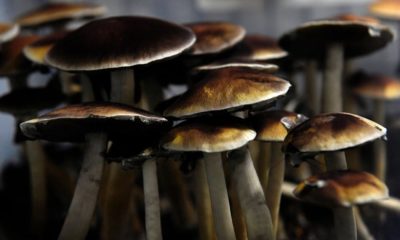
In the wake of its decriminalization in some U.S. cities (notably Oakland and Denver), psilocybin is currently attracting the attention of the scientific community in search of evidence of therapeutic efficacy. Researchers at Science Health Center of the University of Texas at Houston (UTHealth) have announced that they were studying psilocybin for treatment-resistant depression.
The study is inspired by previous scientific research suggesting that psilocybin acts to create new mental circuits. A 2012 study concluded that the substance could enable «a state of unconstrained cognition». Another study conducted at Johns Hopkins University and published in 2016 has revealed a link between psilocybin consumption and a reduction in depression and anxiety.
«It's a drug that can change or alter perceptions, cognition, thinking and the way the mind perceives the environment,» said Sudhakar Selvaraj, MD, Ph.D., assistant professor at UTHealth. «This therapy, if it works, could help at least some people get relief from depression and get back to their everyday lives.»
The UTHealth study will use a double-blind method: neither patients nor study physicians will know what dose of psilocybin is being administered to study participants. After ingesting 25, 10 or 1 milligram of psilocybin, patients will spend eight hours in a comfortable treatment room, under the supervision of a therapist.
Before and after the experiment, participants will fill in questionnaires about their symptoms of depression. They will record their mental state again one, three, six, nine and twelve weeks later.
Psilocybin and mental health
Psilocybin may affect depression through the interaction between a chemical produced by the body when ingested, called psilocin, and the body's serotonin system.
In recent months, further advances have been made in the field of psilocybin. Last week, researchers at the University of Miami announced that they had discovered a method for producing the compound based not on cultivating mushrooms, but on splicing their DNA. in E. coli bacteria.
Last year, a team from Johns Hopkins University concluded that psilos could also help people quit smoking. This institution has been conducting research on psychedelics since 2000, and was the first research group to be approved by the US federal government to carry out such tests. Roland Griffith, a pharmacologist at the University, maintains that psychedelics can accomplish in one session what years of psychoanalysis or medication cannot.
Since then, the school has emerged as one of the U.S. leaders in the study of the beneficial effects of hallucinogens. Last month, Johns Hopkins announced the creation of its psychedelic research center and Consciousness, chaired by Mr. Griffiths and which, according to the trustees, will prioritize research into the effects of psilocybin on our bodies and minds.















The Brazilian medical cannabis market continues to grow

Morocco: Three Cannabis-Based Medications Approved for the Treatment of Epilepsy

Canopy Growth Receives New EU-GMP Certification to Strengthen Its Presence in Europe

Three years after legalizing medical cannabis, Albania continues to establish regulations for it

The first plant-based medical THC spray arrives in the United Kingdom

Medical Cannabis in Germany: THC Prices Vary by a Factor of 12

France already has 3,000 cannabis retail outlets. None of them are legal.

Morocco's exports of legal cannabis have expanded to 15 countries

Aurora Cannabis Doubles Its Production Capacity in Germany

Tilray is accelerating its operations in Europe thanks to a license in Portugal
-
 Business2 weeks ago
The legal cannabis market in New York exceeds 4 billion $ in revenue
-

 Cannabis in France4 weeks ago
Which countries legalized medical cannabis before France?
-
Business4 weeks ago
South Korea is preparing to begin local production of medical cannabis to meet rising demand
-
Cannabis in France4 days ago
France already has 3,000 cannabis retail outlets. None of them are legal.
-
Cannabis in Thailand4 weeks ago
From the boom in dispensaries to a purely medical approach: Thailand is revising its cannabis policy
-
Cannabis in the U.S.5 days ago
A DEA report confirms that there are no fatal cannabis overdoses
-
Cannabis and driving3 weeks ago
Medical Cannabis and Driving: New South Wales Ends Automatic Penalties for THC
-
Cannabis in France3 weeks ago
France’s Drug Policy Chief Defends Cannabis Prohibition... and Runs Into the Facts
















You must be logged in to post a comment Login