LSD as a drug: the story of disgrace and renewed interest in France

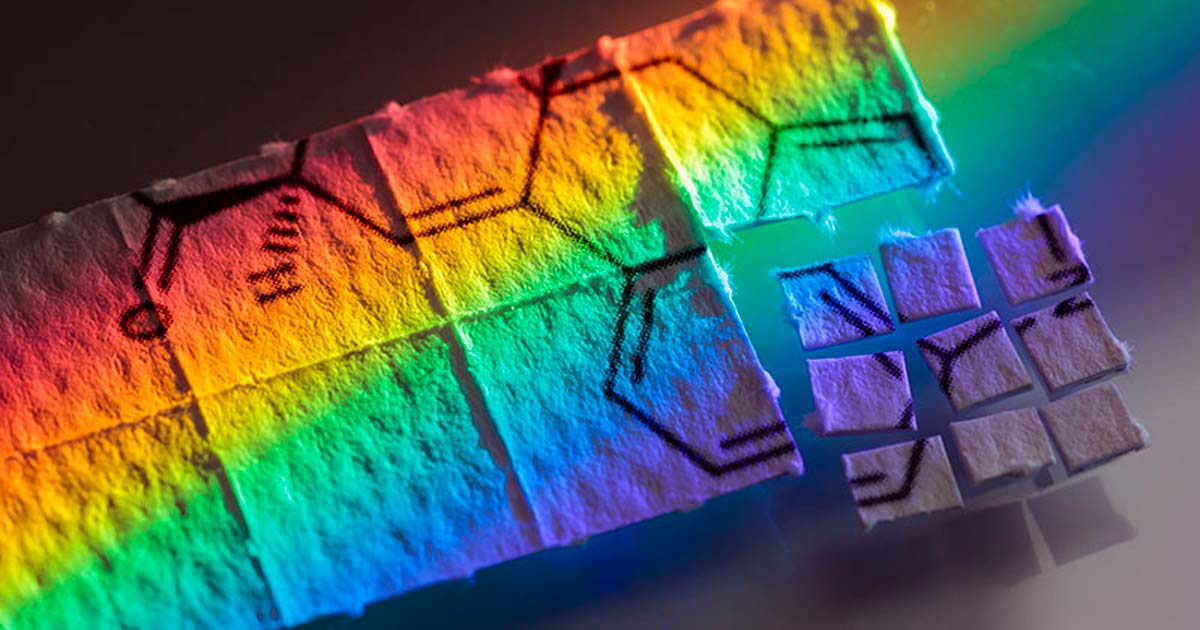
In the 1950s, LSD was one of the most widely studied drugs in the world. The conditions for which doctors were evaluating its therapeutic value were particularly diverse: treatment of psychoses, addictions, depression, pain, anxiety related to end-of-life care, and alleviation of certain symptoms of autism, for example.
About forty major North American and European hospitals were conducting research on the substance at the time, including at least eight in France. However, the results observed by the research teams did not lead to a clear consensus on its value: the methods of administration are sometimes so diametrically opposed—ranging from «shock treatments» to «psychedelic therapy»—that while some report spectacular recoveries, others claim that the experience «worsens the clinical picture.».
This opposition is particularly evident in France, where the field of psychiatry is dominated by Jean Delay, the renowned psychiatrist at Saint-Anne Hospital in Paris, who has no interest in theories about «set and setting.».
These methods, developed in England, Canada, and the United States to protect individuals under the influence of psychedelics, aim to ensure well-being, preparation, and support (set), while ensuring that these sessions take place in a comfortable and reassuring environment (setting).
In France, on the other hand, LSD is administered to patients without any information; in hospital rooms with white walls and neon lighting, the subjects are left alone, sometimes for hours on end. Reports of these experiments describe patients who retreat into silence, scream, tear their sheets, or vomit…
Some of them do not hesitate to describe these treatments as «torture,» a fact coldly recorded by Jean Delay and later by his colleagues, who in turn would attempt to administer LSD to their patients.
A Fall from Grace That Can Be Explained
Under these circumstances, French doctors largely lost interest in psychedelics, seeing no therapeutic benefit in them. Thus, while it is estimated that approximately 40,000 patients were treated with LSD in the rest of the Western world between 1947 and the early 1970s, in France only a few hundred people were treated with it.
But the medical context surrounding the drug was changing anyway: strongly associated with the counterculture movements that had been spreading in the United States since the early 1960s, LSD came to be perceived as a dangerous drug (and even «the most dangerous»), causing severe psychoses that drove users to suicide or permanently destroyed their brains.
These fears are not based on scientific evidence, but are fueled by the tabloid press, which condemns the lack of morals among these young LSD users, who spend their weekends at festivals and engage in casual sex, while at the same time refusing to go to war in Vietnam.
At the same time, the scientific framework governing drugs was also shifting against LSD: following health scandals caused by drugs being brought to market without proper safety checks, countries began enacting legislation to protect patients.
From now on, all drugs must be tested before being marketed to demonstrate not only that they do not cause serious side effects, but also that they are effective. This latter requirement involves evaluating the effectiveness of drugs in «double-blind, placebo-controlled» trials: two groups of patients are formed, one receiving the active ingredient and the other a placebo.
To be approved, the active ingredient must produce better results than a placebo, but neither the patients nor the doctors should know which treatment is being administered. However, it is impossible to study LSD in this way, since its effects are far too obvious to use this «double-blind» method. Under these circumstances, doctors could no longer prove its effectiveness.
These two factors—cultural and scientific—eventually converged in the late 1960s: doctors using LSD—increasingly stigmatized and discredited because they were unable to provide evidence of its benefits—were gradually equated with mad scientists and fanatics seeking to overthrow society.
Although LSD and other psychedelics were added to the International Schedule of Narcotic Drugs in 1971, clinical studies—which were theoretically protected by law—came to a halt on their own. Funding dried up, and this research became a career-damaging misstep for the doctors involved.
Renewed interest internationally and in France
After some 40 years of taboo surrounding the therapeutic properties of LSD and other psychedelics, experimental and medical research has been resuming in various parts of the world over the past 20 years.
Three factors are driving this resurgence, dubbed the «Psychedelic Renaissance»: new generations of scientists and doctors, now free from the stigma of counterculture, are once again taking an interest in these substances and, to that end, are benefiting from new technologies such as brain imaging—which did not exist during the first wave of research—thereby increasing interest in understanding what these substances do to the brain. Finally, contemporary medicine currently finds itself at a therapeutic impasse in the treatment of certain conditions, such as depression or post-traumatic stress disorder, with a number of patients proving resistant to available treatments.
Under these circumstances, revisiting past studies on psychedelics—which appeared to show positive results for these indications—takes on new importance. Furthermore, knowledge about the therapeutic properties of psychedelics has been preserved and expanded thanks to therapists practicing illegally, but also thanks to harm reduction organizations, which support users in their consumption, whether for recreational purposes or for self-medication.
The first clinical study on LSD in this second wave was conducted in Switzerland in 2014. Psychiatrist Peter Gasser used the substance to relieve anxiety and pain in cancer patients; the results were so positive that he was immediately granted permission to continue administering LSD to his patients.
To date, five Swiss therapists have received this authorization.
Two years later, the London team from the’Imperial College published the first brain images of a human brain under the influence of LSD. Further research is now underway to evaluate the substance’s potential in the treatment of migraines, anxiety, and attention disorders.
Although France has been particularly reluctant—given its history—to resume academic studies, a team led by Professor Luc Mallet is expected to soon study the influence of LSD on alcohol dependence.
While research is indeed resuming, we must nevertheless be careful not to overestimate the therapeutic «power» of psychedelics, which are not a miracle cure for all the ailments of our time, but could offer an interesting alternative to other forms of medication.
Very few studies are currently available, and it will take many more years to confirm their therapeutic value, to train therapists to treat patients under the influence of these substances, and finally to decide on reimbursement for these therapies, which are costly in the short term.














JIHE 2026: Japan’s Largest Trade Show Dedicated to Hemp and CBD Returns to Tokyo with More Than 100 Industry Players
New Caledonia: The Courts Clear the Way for the Return of CBD

The Brazilian medical cannabis market continues to grow

Morocco: Three Cannabis-Based Medications Approved for the Treatment of Epilepsy

Canopy Growth Receives New EU-GMP Certification to Strengthen Its Presence in Europe

Three years after legalizing medical cannabis, Albania continues to establish regulations for it

The first plant-based medical THC spray arrives in the United Kingdom

Medical Cannabis in Germany: THC Prices Vary by a Factor of 12

France already has 3,000 cannabis retail outlets. None of them are legal.

Morocco's exports of legal cannabis have expanded to 15 countries
-
 Business2 weeks ago
The legal cannabis market in New York exceeds 4 billion $ in revenue
-

 Cannabis in France4 weeks ago
Which countries legalized medical cannabis before France?
-
Business4 weeks ago
South Korea is preparing to begin local production of medical cannabis to meet rising demand
-
Cannabis in France4 days ago
France already has 3,000 cannabis retail outlets. None of them are legal.
-
Cannabis in Thailand4 weeks ago
From the boom in dispensaries to a purely medical approach: Thailand is revising its cannabis policy
-
Cannabis in the U.S.5 days ago
A DEA report confirms that there are no fatal cannabis overdoses
-
Cannabis and driving3 weeks ago
Medical Cannabis and Driving: New South Wales Ends Automatic Penalties for THC
-
Cannabis in France3 weeks ago
France’s Drug Policy Chief Defends Cannabis Prohibition... and Runs Into the Facts
















You must be logged in to post a comment Login