What can we learn from Colorado?

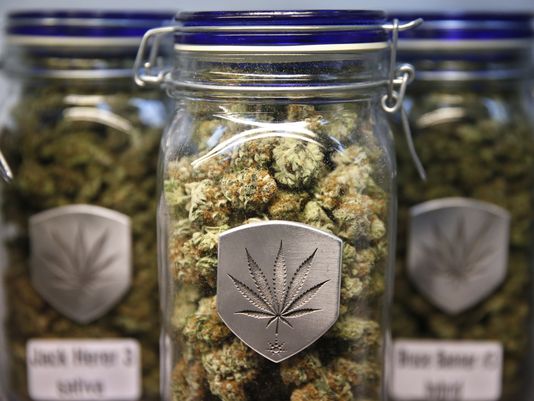
Colorado voted to legalize cannabis through Amendment 64 on November 6, 2012. Three and a half years later, while at least Four more U.S. states will have to vote on the legalization of cannabis, what lessons can we learn from Colorado’s example? What were the positive and negative outcomes of this legalization? A look at the numbers.
Methodology
Most of the figures below are taken from the report «Marijuana Legalization in Colorado: Early Findings» which examines the situation between 2012 and 2015. The report reveals, in particular, that the state of Colorado already had a higher rate of marijuana use than the U.S. average before its marijuana legalization process.
Impacts on Consumption
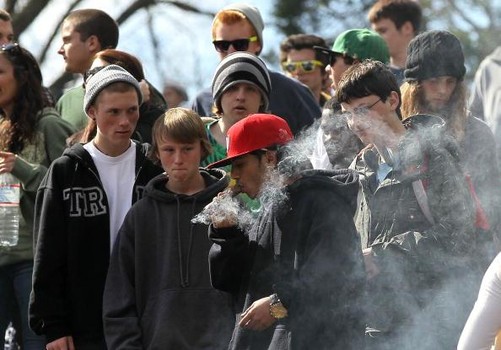
Cigarette use among young people is indeed increasing, rising from 10.5% to 12.6%, while the national average is declining slightly, from 7.5 to 7.2 %. Nearly one-third of young people aged 18 to 26 smoke in Colorado: their rate has risen from 26.8 % to 31.2%, while the national average remains stable at 19.3 %. Adults are also smoking more and more in this state; 12.4% now regularly smoke marijuana. This figure contrasts with the 7.61% recorded in 2012.
Read also: Colorado: 3 Years Since Cannabis Was Legalized
How can we explain why so many citizens are being added to the statistics on marijuana users? The Colorado Department of Public Safety (CDPS), which conducted this study, offers an explanation for these figures: people are becoming more open about it and are more willing to talk about their use.
Regular consumption (more than twice a week) increased from 32% in 2012 to 36% in 2016. Not really anything to worry about. It’s worth noting that in Colorado, regardless of your generation, ethnic or social background, or even your sexual orientation, people typically try marijuana for the first time around their 18th birthday.
Health
During the same period, the number of licenses allowing people to purchase medical cannabis rose from 85,000 to 109,000, out of a total population of 5 million in the state (or one in every 50 people).
On the other hand, the legalization of cannabis poses a major problem for children. The exponential growth in THC-infused candy and food products has led to a rise in the number of child hospitalizations for food poisoning. These cases have skyrocketed, nearly doubling in three years. In total, 111 children were hospitalized for accidental ingestion of cannabis in 2015. Fortunately, the Cannabis is not deadly regardless of the patient's age. In response to these household accidents, health authorities now require that all THC-containing food has packaging that is impossible or very difficult for a child to open.
Crime
The number of drug-related arrests fell by 46% between 2012 and 2015. This figure corresponds to a 5% decrease in overall crime, which had already fallen by 3% following the legalization of medical cannabis. The number of arrests related solely to cannabis has dropped from 8,600 per year to 1,400 per year. A single arrest by law enforcement costs the state approximately 300$; over the past year, Colorado has therefore saved nearly 2.1 million dollars. It should also be noted that the number of people who have smoked while driving has not skyrocketed, as only 40 additional arrests for driving under the influence of marijuana were reported between 2012 and 2015. On the other hand, there were 300 fewer traffic accidents. Is this a cannabis effect?
On the other hand, the black market has not dried up; in fact, it has exploded and is openly advertised on the internet. Since citizens are allowed to grow up to six plants at home—and of good quality—they are taking advantage of this to resell their surplus or even their entire crop. According to some customers, prices are more affordable, and—more importantly—the product is available at any time, even after legal dispensaries close at 7 p.m. It’s also worth noting that minors have no trouble getting weed: 38 % of the cannabis sold to young people comes from the legal market, where an individual acts as a commissioned middleman.
Employment and the Economy
In 2014, the cannabis industry directly created 25,351 jobs, from the greenhouse to the cash register at the «grow shop.» Add to that the indirect jobs—which are impossible to quantify—such as electricians, botanists, marketing managers, community managers, lawyers, accountants, logistics specialists, webmasters, bong makers, quality control experts, and those in the tourism sector. Colorado is a leading destination for winter vacations in the U.S. and is home to about ten ski resorts. They are now filled with cannabis tourists combining thrills and relaxation over a joint. What’s more, these same resorts remain open during the summer. This, in turn, creates seasonal jobs. Through partnerships, a connection is forged between the resorts and dispensaries: you can get discounts at certain stores if you have a ski pass.
Despite the lack of a correlation between unemployment and legalization, the figures speak for themselves: the unemployment rate in Colorado has passed from 8.1% in January 2012 to 3% in February 2016. This is the lowest rate since 2006, well below the national average, which stands at around 5%.
Add to that the tax revenue for the Treasury, which totaled $135 million in 2015 and $76 million in 2014.
So not everything is rosy in Colorado. However, these findings are interesting for the new states that are set to legalize : This will enable them to avoid certain pitfalls inherent in any change, move more quickly through the legislative process, and implement only effective measures while drawing on the examples of other states or Uruguay.







JIHE 2026: Japan’s Largest Trade Show Dedicated to Hemp and CBD Returns to Tokyo with More Than 100 Industry Players
New Caledonia: The Courts Clear the Way for the Return of CBD

The Brazilian medical cannabis market continues to grow

Morocco: Three Cannabis-Based Medications Approved for the Treatment of Epilepsy

Canopy Growth Receives New EU-GMP Certification to Strengthen Its Presence in Europe

Three years after legalizing medical cannabis, Albania continues to establish regulations for it

The first plant-based medical THC spray arrives in the United Kingdom

Medical Cannabis in Germany: THC Prices Vary by a Factor of 12

France already has 3,000 cannabis retail outlets. None of them are legal.

Morocco's exports of legal cannabis have expanded to 15 countries
-
 Business2 weeks ago
The legal cannabis market in New York exceeds 4 billion $ in revenue
-

 Cannabis in France4 weeks ago
Which countries legalized medical cannabis before France?
-
Business4 weeks ago
South Korea is preparing to begin local production of medical cannabis to meet rising demand
-
Cannabis in France4 days ago
France already has 3,000 cannabis retail outlets. None of them are legal.
-
Cannabis in Thailand4 weeks ago
From the boom in dispensaries to a purely medical approach: Thailand is revising its cannabis policy
-
Cannabis in the U.S.5 days ago
A DEA report confirms that there are no fatal cannabis overdoses
-
Cannabis and driving3 weeks ago
Medical Cannabis and Driving: New South Wales Ends Automatic Penalties for THC
-
Cannabis in France3 weeks ago
France’s Drug Policy Chief Defends Cannabis Prohibition... and Runs Into the Facts
















You must be logged in to post a comment Login