How does CBD prevent THC-induced inflammation?

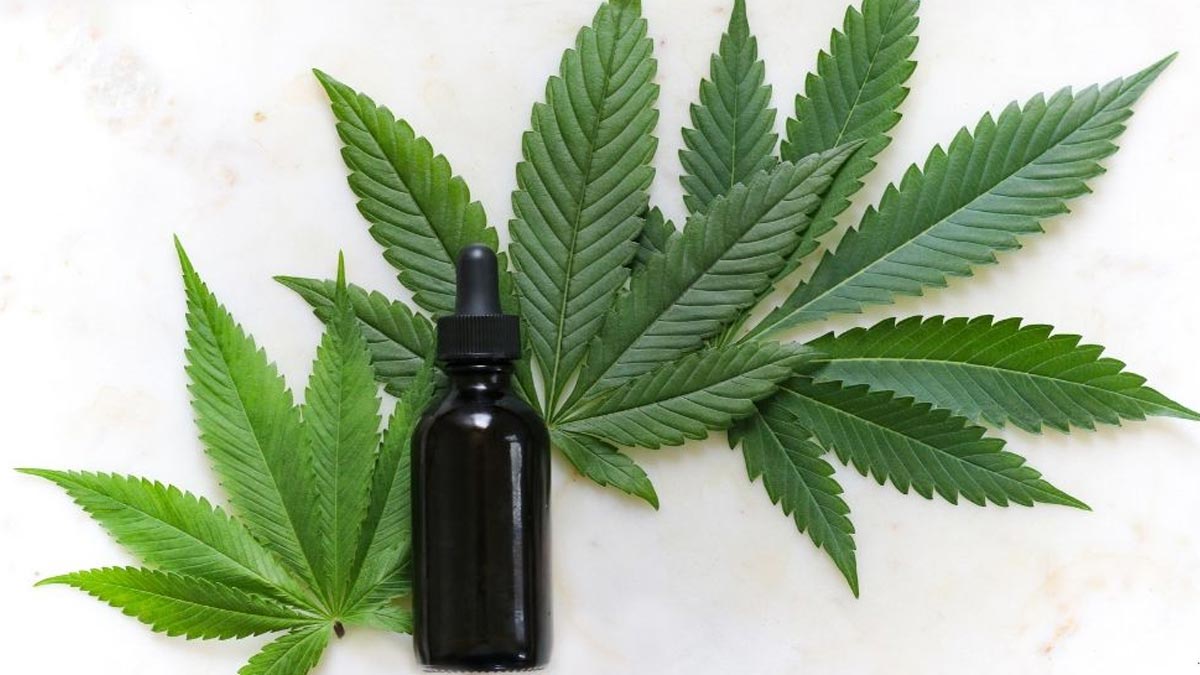
Cannabis is known for its anti-inflammatory effects and its action on specific migraines or certain neurological diseases. The action of endocannabinoid system being complex, certain pathologies such as migraines require different dosages and compositions of phytocannabinoids to act effectively.
The endocannabinoid system comprises two main receptors: CB1 and CB2. CB1, the better known, has a greater influence on the expression of neurological functions. CB2 is associated with immune system regulation. A third receptor, however, plays an important role in overall balance, GPR55, and acts more like a decelerates the action of the first two receptors.
Reducing receptor activity
It may be useful to affect the activity of endocannabinoid receptors. This involves balancing CB1 receptor activity. CB1 is activated by cannabinol homologues such as THC, or endogenous cannabinoids, such as 2-AG and’anandamide.
Substances that lower the activity of this receptor, known as inverse agonists, are not known in nature, and synthetic cannabinoids are known to cause problems such as depression. Safely lowering CB1 activity is more complicated than activating it. THC and anandamide can, however, indirectly counteract their own effects on CB1 receptors via GPR55.
Instead of producing depressive effects as it does via CB1 receptors, THC increases excitatory functions, and thus its inflammation, by activating the third cannabinoid receptor.
CBD, CB2 receptors and the relationship with GPR55
As a GPR55 antagonist, the CBD can safely counter THC-induced inflammation and block THC side effects such as anxiety or paranoia.
CBD will inhibit the transmitters that transmit nerve signals via GPR55 antagonism, which will also promote numerous therapeutic responses. This effect is almost identical to the effect of anandamide on CB1, CBD and anandamide receptors, facilitating the effects of cannabis on inflammation and pain.
Nevertheless, CBD can cause eye pressure, which may be attributed, in part, to GPR55. THC could prevent this by inhibiting different variations of inflammatory agents via another target of the endocannabinoid system.
The effects of CBD seem to be more balanced by CB2 agonists, which goes hand in hand with CBD's antagonism of GPR55. From terpenes such as caryophyllene or endocannabinoid 2-AG also help to balance the immune system by inhibiting imbalance factors without affecting other CB1 receptor functions.
When it comes to using CBD for migraines or even glaucoma, a small dose of THC will add a layer of constrictive inflammation and moderate tissue regeneration by softening the immune system's response. New tissue can then grow back without the risk of proliferating mutations or new ocular inflammation. Caryophyllene, for example, can help promote this function by quenching CB2 receptors.





















«Vincy Gold»: Humboldt Seed Company on the Hunt for Saint Vincent Sativas

Cronos Completes the Acquisition of CanAdelaar for 57.5 million euros

Cannabis with a "bloody" twist: Discover Sensi True Blood and Sensi Sangria, the two new strains from Sensi Seeds

Hemp: The Council of the EU Takes a Stand on New Production and Marketing Rules

Missouri's legal cannabis market accounts for 93 % of consumer spending

THC Gummies: How to Read a Certificate of Analysis Before Buying

British patients now have access to THCV-rich cannabis flowers

Spain: Medical Cannabis Is Coming to About 50 Hospitals

JIHE 2026: Japan’s Largest Trade Show Dedicated to Hemp and CBD Returns to Tokyo with More Than 100 Industry Players

New Caledonia: The Courts Clear the Way for the Return of CBD
-
 Business3 weeks ago
The legal cannabis market in New York exceeds 4 billion $ in revenue
-

 Cannabis in France4 weeks ago
Which countries legalized medical cannabis before France?
-
Cannabis in France1 week ago
France already has 3,000 cannabis retail outlets. None of them are legal.
-
Business4 weeks ago
South Korea is preparing to begin local production of medical cannabis to meet rising demand
-
Cannabis in the U.S.1 week ago
A DEA report confirms that there are no fatal cannabis overdoses
-
Cannabis in Thailand4 weeks ago
From the boom in dispensaries to a purely medical approach: Thailand is revising its cannabis policy
-
Cannabis and driving4 weeks ago
Medical Cannabis and Driving: New South Wales Ends Automatic Penalties for THC
-
Cannabis in France3 weeks ago
France’s Drug Policy Chief Defends Cannabis Prohibition... and Runs Into the Facts
















You must be logged in to post a comment Login