
Novel Foods, Excise Taxes, DGAL Inspections: Why CBD Flowers Are the Big Survivors of 2026

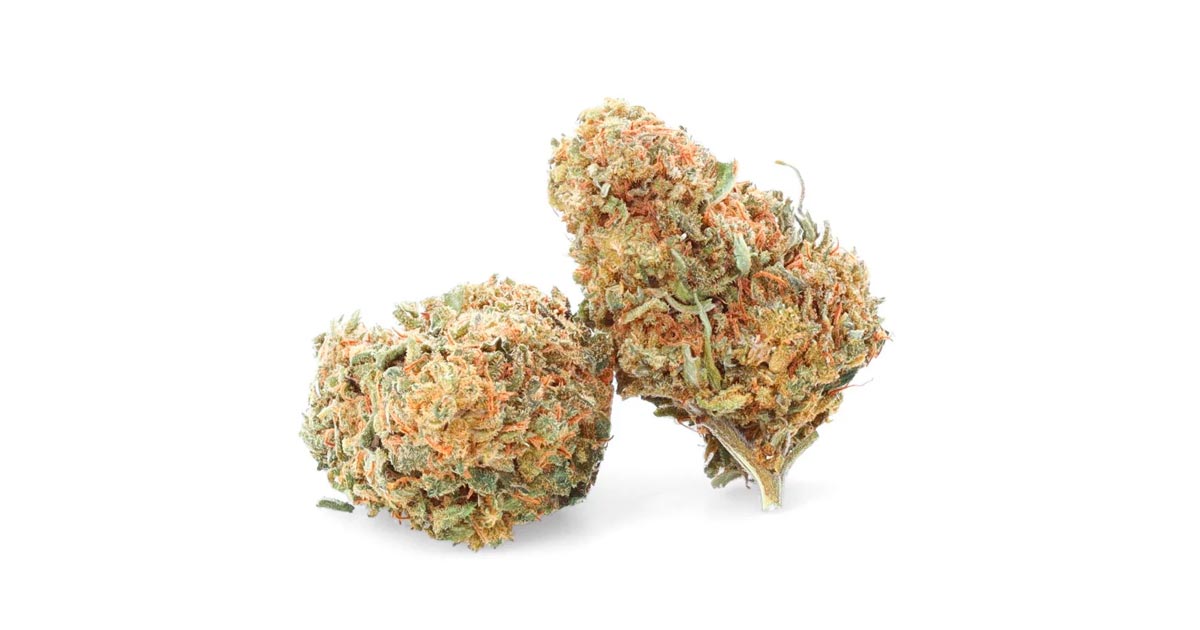
In the spring of 2026, part of the French CBD industry thought it was reliving the nightmare of 2021 regarding the CBD flowers, yet another example of a reality well known to professionals: a market can be profoundly disrupted without any changes to the law.
This time, it was the national inspection plan of the DGAL (Directorate General for Food) that sparked the controversy. Oils, gummies, beverages, and dietary supplements containing cannabinoids are now clearly in the administration’s crosshairs, as it applies a very strict interpretation of the European regulation on Novel Foods.
The mainstream media hasn't helped, repeatedly running headlines stating that «CBD is banned.» This is a gross exaggeration, but it reveals the confusion that still surrounds the industry. In reality, the situation is much more nuanced.
Constant confusion between CBD and «CBD products»
The debate surrounding CBD suffers from a structural problem: it is often reduced to a single category of products. In reality, however, we’re talking about very different product categories: sublingual oils, dietary supplements, cosmetics, herbal teas, CBD flowers… all of which have different regulatory statuses and are subject to different rules.
The DGAL’s inspection plan focuses primarily on food products containing cannabinoids, in accordance with the European Novel Food Regulation. This regulation requires prior authorization for any ingredient that did not have a history of significant consumption in the European Union prior to May 15, 1997.
While the principle is simple, its application to CBD remains largely stalled and is subject to differing interpretations and implementations among member states, with some hiding behind the EU to avoid regulation while others take care to properly authorize and regulate the industry and its products.
CBD flowers are outside the scope of the Novel Food Regulation
The voice of the’European Industrial Hemp Association (EIHA) is nevertheless gaining ground in the European hemp sector: dried hemp flowers should not be considered a “novel food” under the Novel Food Regulation, since their consumption in Europe predates the 1997 cut-off date by a wide margin.
Under this interpretation, it would not be considered an innovative ingredient but rather a traditional agricultural product, even though this interpretation has not yet been definitively settled by the European Union and continues to fuel an ongoing legal debate.
This stance is part of an already turbulent history for CBD flowers, which have already survived the 2021 attempt by France to ban them—an attempt that was ultimately overturned by the Council of State on the grounds of the free movement of goods and the lack of sufficiently established health risks.
Since then, despite cycles of regulatory tightening and uncertainties, it has remained one of the most stable segments of the French market, better understood by the authorities and less exposed to rapid reclassifications than processed products.
In 2026, it is precisely this approach to differentiation that is taking hold: rather than a blanket rejection of CBD, we are seeing a prioritization of risks, with, on one hand, food products containing cannabinoid extracts—which are heavily subject to Novel Food regulations and inspections—and, on the other, raw hemp flower, which operates within a distinct regulatory framework that is still taking shape but is significantly less targeted by the new administrative guidelines.
The Other Front: Taxation
In addition to stricter administrative measures, there is a second, more subtle but equally influential factor: the issue of excise taxes. Several sectors related to processed hemp have seen debates emerge regarding whether certain products should be subject to specific taxation, following the model already in place for other regulated substances.
Once again, the raw flower—perceived as an agricultural product rather than a processed preparation—is currently excluded from these discussions, which focus on manufactured products and extracts. This additional distinction further reinforces, through a cumulative effect, the relative advantage of this segment over oils, gummies, and other processed formats.
Usage Patterns Shifting Toward Other Formats
These stricter regulations on food products are having an immediate impact on consumer behavior. Some consumers are turning away from oils and gummies in favor of alternatives they perceive as less likely to be reclassified.
In fact, some retailers have chosen to switch to alternative, natural formats that do not contain cannabinoids, such as the CB2. Unlike traditional cannabidiol-based products, CB2 emphasizes an approach based on other natural compounds found in hemp—terpenes—as well as magnolia extract, PEA (palmitoylethanolamide), and geraniol, all of which interact with the endocannabinoid system.
These new formats are driven as much by a desire for innovation as by an effort to adapt to the regulatory framework.
2026: The End of CBD Products?
The year 2026 does not mark the end of CBD. First, because the DGAL’s control plan is being contested and challenged by all of the sector’s representative associations, along with the major agricultural associations.
And because, while waiting for a more favorable outcome, the market has no choice but to organize itself around a clear distinction between CBD products on display and segments that are more firmly rooted in existing frameworks.
In this landscape, the hemp flower holds a special place: a raw, historic product that has already weathered several cycles of regulatory uncertainty and is now relatively better understood by the authorities.
It is this logic that currently shapes the decisions of certain players in the sector, such as CBD.fr, which prioritize product lines aligned with the most stable frameworks, in a market where ever-changing regulations have always been part of the product strategy.

















Argentina Opens Its Market to Hemp Flowers Containing 1% of THC

The French Socialist Party still doesn't know how to approach the legalization of cannabis

Science in the City International: Paris at the Heart of Transatlantic Scientific and Medical Dialogue

Christine Fréchette is alienating Quebec’s cannabis industry

Rima Hassan: When «Drugs» Become a Political Weapon

From Marathons to Ultratrails: How Extreme Running Affects the Endocannabinoid System

Four days of THC may make breast cancer less aggressive, according to a new study

Medical Cannabis: 14 Organizations Finally Call for Enforcement of the Law

One year after the launch of the Dutch cannabis experiment, the first trends are emerging

High Ground: The Crash of a Plane Full of Marijuana That Made History in Yosemite
-
 Cannabis and driving2 weeks ago
Cannabis and CBD: French Drivers Can Now Lose Their License Even Without a Positive Test Result
-
Cannabis in France2 weeks ago
Cannabis Legalization: The LFI Bill Has a Major Problem—THC
-

 Cannabis in the Netherlands6 days ago
One year after the launch of the Dutch cannabis experiment, the first trends are emerging
-
Cannabis in France7 days ago
French medical cannabis remains stalled at the Ministry of Health
-
Business6 days ago
The United Kingdom Is Moving Closer to a Regulated CBD Market
-
Cannabis in Europe2 weeks ago
Andorra Paves the Way for Medical Cannabis Cultivation
-
Cannabis in Argentina3 days ago
Argentina Opens Its Market to Hemp Flowers Containing 1% of THC
-
Cannabis in France3 weeks ago
Drought: Could Hemp Become the New Hope for French Farmers?








You must be logged in to post a comment Login