
CBD: Full-Spectrum Extracts Under Threat in Greece

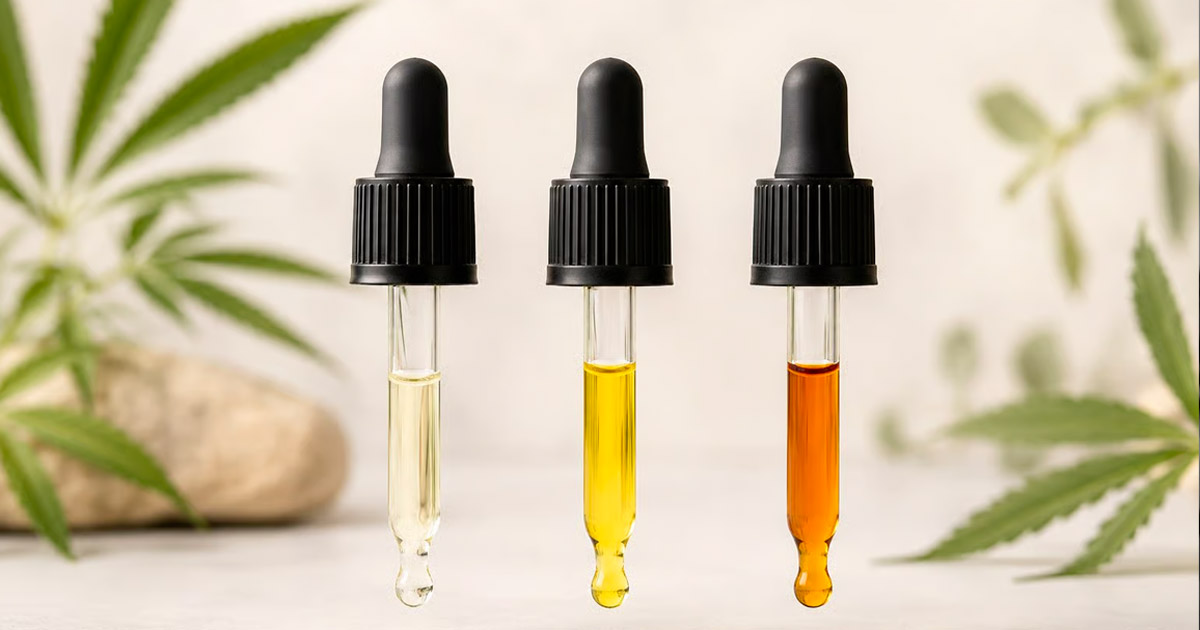
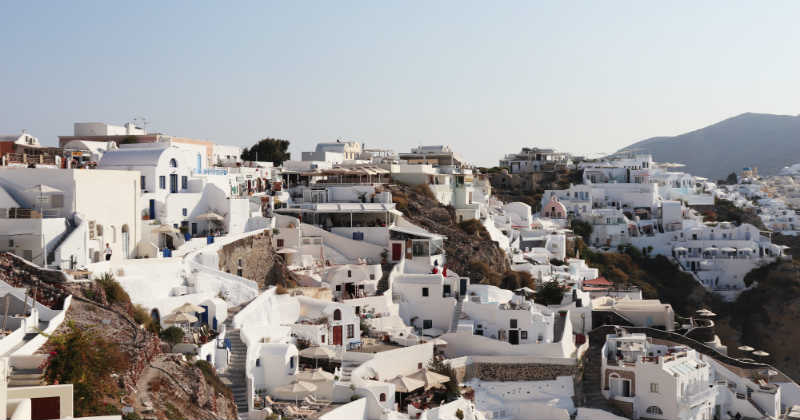
Greece is significantly tightening its regulations on CBD and hemp-derived products, requiring certain full-spectrum CBD oils and other natural extracts are set to disappear from the market.
The new regulatory framework, outlined by the Greek Ministry of Health on September 15, significantly restricts the range of cannabinoids that can be sold legally and could transform the hemp industry in the country.
These measures stem from legislation passed in July and already require companies to remove from the market or alter the composition of products that had been legally sold for several years.
A much more restrictive definition of legal CBD products
At the heart of this reform is a change in the way Greece defines the cannabis-derived products authorized. The law recognizes certain cosmetics and dietary supplements, as well as a specific category covering products containing «exclusively cannabidiol (CBD).».
This wording poses a problem right from the start for the full-spectrum hemp extracts.
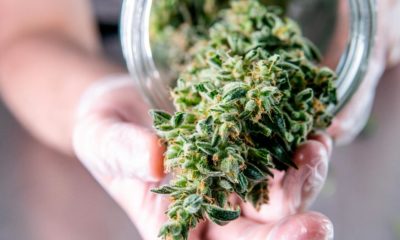
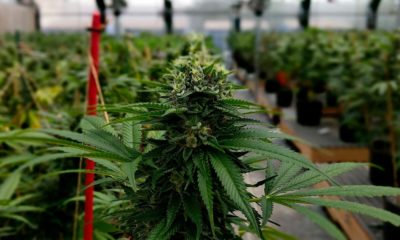
Unlike products made from’CBD isolate, full-spectrum oils naturally contain several compounds derived from the plant. In addition to cannabidiol, they may contain small amounts of THC as well as minor cannabinoids such as CBG, CBC, and CBN. Broad-spectrum products generally remove THC while retaining some of these other compounds.
Previously, Greek regulations allowed for significantly greater flexibility regarding such formulations, covering products derived from varieties of Cannabis sativa holding up to 0.3% of THC, as well as CBD-based products.
According to KANNABIO, a Greek organic hemp producer interviewed by HempToday, this new interpretation means that products containing THC could now be banned, regardless of their concentration, no matter how low it may be.
The company states that its full-spectrum extracts generally contain less than 0.2% of THC, while broad-spectrum formulations may contain measurable traces of less than 0.05%.
Hemp producers warn of a major market disruption
For Greek operators, compliance may therefore require significant reformulation. In some cases, companies may have to replace full-spectrum natural extracts with isolated cannabidiol.
Even this approach could leave some questions unanswered. Highly purified CBD extracted from hemp may contain trace amounts of other cannabinoids, raising uncertainty about how strictly authorities will interpret the requirement that products contain «exclusively» CBD.
Michalis Theodoropoulos, founder and CEO of KANNABIO and a longtime figure in the Greek hemp industry, strongly criticized these changes.
«The health minister is setting Greece back 15 years in terms of regulating the legal cannabis market, while creating conditions of unfair competition and monopolistic exploitation that benefit specific commercial interests,» he told HempToday.
He also argues that this regulatory change could disproportionately affect small producers.
«The result is a drastic reshuffling of the market: small and medium-sized industrial hemp producers are losing the products they have invested in, while large, vertically integrated medical cannabis companies find themselves in a much more advantageous position to fill the void that has been created,» said Mr. Theodoropoulos.
Minor cannabinoids could also disappear from store shelves
The impact could extend beyond oils containing THC. Products formulated with minor cannabinoids, including the CBG, might also no longer meet the new definition, even if they do not contain any measurable THC.
Greek legal interpretations cited by HempToday indicate that broad-spectrum extracts and formulations containing cannabinoids other than CBD may no longer meet the new definition.
Prescription cannabinoid-based medications, on the other hand, remain subject to Greece’s specific regulatory framework for medications, including pharmaceutical CBD and the national medical cannabis system.
Greece Adds a New Obstacle to the European CBD Market
The Greek restrictions come amid an already challenging European regulatory landscape, with CBD’s inclusion in the Novel Food catalog—which does not require member states to comply—and a European Food Safety Authority (EFSA) which recommended in 2026 a provisional safe intake level for CBD at 0.0275 mg per kilogram of body weight, which is equivalent to about 2 mg per day for an adult weighing 70 kilograms.
For Greek companies in the hemp sector, the combination of EU food regulations and new national restrictions on cannabinoids could significantly reduce the range of products they are able to offer.
«Here is the Greek formula: first, you let a market develop; second, you deprive small businesses of the products they have created; and finally, you leave the field open only to those who have the financial, technological, and political power necessary to survive,» said Mr. Theodoropoulos.
A situation that mirrors that of France, where the The CBD sector is currently facing with similar challenges.
















CBD: Full-Spectrum Extracts Under Threat in Greece

Medical Cannabis and Back Pain: Opioid Use Has Dropped by 90 % in 10 Years

Cannabis: Wisconsin Could Finally Legalize It in 2027

Argentina Opens Its Market to Hemp Flowers Containing 1% of THC

The French Socialist Party still doesn't know how to approach the legalization of cannabis

Science in the City International: Paris at the Heart of Transatlantic Scientific and Medical Dialogue

Christine Fréchette is alienating Quebec’s cannabis industry

Rima Hassan: When «Drugs» Become a Political Weapon

From Marathons to Ultratrails: How Extreme Running Affects the Endocannabinoid System

Four days of THC may make breast cancer less aggressive, according to a new study
-
 Cannabis and driving2 weeks ago
Cannabis and CBD: French Drivers Can Now Lose Their License Even Without a Positive Test Result
-
Cannabis in France2 weeks ago
Cannabis Legalization: The LFI Bill Has a Major Problem—THC
-

 Cannabis in the Netherlands7 days ago
One year after the launch of the Dutch cannabis experiment, the first trends are emerging
-
Cannabis in France1 week ago
French medical cannabis remains stalled at the Ministry of Health
-
Business7 days ago
The United Kingdom Is Moving Closer to a Regulated CBD Market
-
Cannabis in Argentina4 days ago
Argentina Opens Its Market to Hemp Flowers Containing 1% of THC
-
Cannabis in Europe3 weeks ago
Andorra Paves the Way for Medical Cannabis Cultivation
-
Cannabis in France5 days ago
Rima Hassan: When «Drugs» Become a Political Weapon












You must be logged in to post a comment Login