The different types of hashish

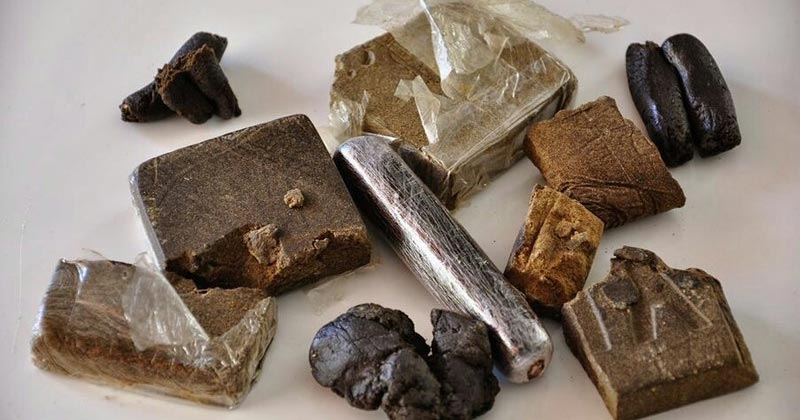
Some hashish is legendary and unobtainable, while others are hard to get out of their borders, but all of them stuck to the taste buds of the lucky tasters.
From Turkey to the Himalayan foothills, via Lebanon and Morocco, hashish is widely produced in the Middle East and Asia.
Depending on their origin, the hashish have different tastes, shapes and textures. Here's a brief review of the different types of hash from the countries that have historically produced it, followed by modern versions of hashish.
Nepalese
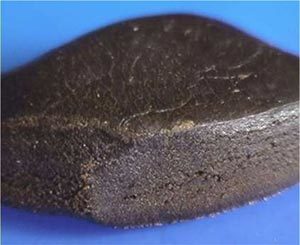
Nepalese hashish has left many a traveler dreaming. Known for its half-stone, half-high effects, it is traditionally collected and pressed by hand using the Charas. Nepalese is black on the outside and dark brown on the inside. Its aromas are very spicy and heavy, with floral notes in the background, yet it is not as strong on the throat as Afghan.
Nepalese genetics originally leaned more towards sativa. However, some hybrids were brought to the region by foreign breeders. Tourists also brought different techniques for collecting resin, notably sieving and pressing.
Nepalese hash comes in a variety of forms: pollen, temple ball or stick, with qualities that vary according to the region of cultivation and production. Malana Cream and Super Himalaya (or Black Spice) are at the top of the range.
The Moroccan
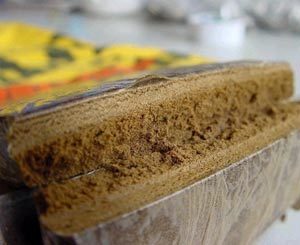 Cannabis has been cultivated in Morocco for a very long time. Today, the country is the main exporter of resin to Europe, but its products are often cut in the country of destination. Hashish is the product most commonly found in France.
In Morocco, Moroccan hashish is green or light brown. The taste is fairly mild compared with other types of hashish, and its effects are more cerebral and leave you feeling active.
It can be found under different names (popo, chocolate, sputnik...), which may reflect different sieving qualities (zero or double zero for first sieving).
The Lebanese
 Lebanon is one of the world's biggest hash producers. The largest fields are located in the Baalbek valley, almost on an industrial scale.
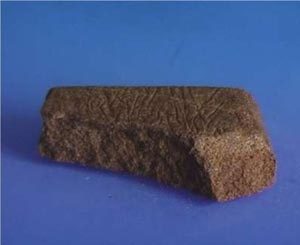
There are two types of Lebanese hashish: yellow and red, the latter owing its color to the riper plants with which it is made (and therefore a browner/amber stage of the plants). trichomes).
Their taste is very spicy, with a stronger consistency than Moroccan. The effect is cerebral and stonier than the hash we know in France, though not necessarily stronger. Yellow Lebanese produces more high than red, the latter containing more CBN due to aging.
The Afghan
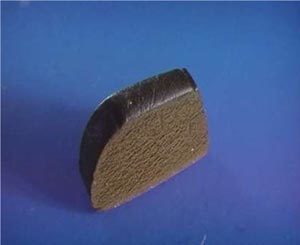
Hashish has been cultivated almost everywhere in Afghanistan. The best hash comes from the northern regions, between the Hindu Kush mountains and several countries in -Stan.
Afghan plants are of the indica type, forming small bushes that are as wide as they are tall, but no taller than 1.50 metres. Its hash is elastic, with a highly aromatic scent. Originally stored in hash balls, it is often compressed into wafers for export, bearing the seal of the producing family. Its color varies from black on the outside to dark green or brown on the inside.
Afghan hashish is strong, both in terms of its sometimes narcotic effects and its taste. You'll find a lot of it in Amsterdam coffeeshops, with some very fine products.
Dutch hash
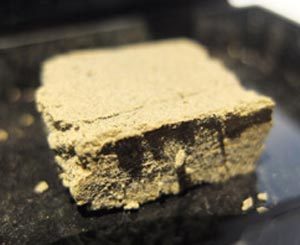 This hashish is produced from plants grown in the Netherlands, usually indoors or in greenhouses. The plants are sifted, as in Morocco, and give a rather green result, although this depends on the variety used.
The THC content of Dutch hash exceeds all expectations, sometimes exceeding 50% THC. Today, it's rarely found in coffeeshops, and even more rarely outside the country.
Modern versions of hashish
Modern versions of hashish are most often derived from ancestral hash-making techniques, brought up to date with modern knowledge of cannabis.
Dry sift (Static / Dry Ice / Fresh Frozen)
The Static dry sift is the real basic method for extracting the kief or, in other words, the resin glands of cannabis, the trichomes. The dry material is broken up and passed through a fine sieve, so that the resin glands separate from the plant.
Keef is sometimes added to joints as is, but can also be pressed in a rosin press. Pressing dry sift often yields up to 70 % of extract, whereas dried flower hardly exceeds 20 %. The technique is quite simple.
Dry Ice Sift Dry Sift: similar to Dry Sift, the only difference is that the raw, dry flowers are frozen with dry ice, which makes it easier to separate the trichomes from the plants afterwards.
Fresh Frozen Dry Sift This is the most complex of all sieve extractions, but in terms of quality, it's the crème de la crème. Once again, the main aim is to separate the resin from the plant. As the name of the method suggests, the floral material is processed wet, just after harvesting, when the plants are placed in a freezer and then dehydrated. The next step is sieving through fine sieves. The whole process takes place at freezing temperatures, to avoid any change in temperature that might lead to degradation of the plants. terpenes. This method is very difficult, but the result of this solvent-free extraction is undoubtedly one of the tastiest.
The expression «smoking frozen» has become common parlance to refer to a quality hash without it necessarily being true Frozen 🙂
Ice Water Hash (bubble hash / ico-o-lator)
Water Hash - Another resin extraction method, but this time using water, ice and a portable washing machine with bag-shaped sieves. Fresh plant material is frozen, and then added to the washing machine with ice. (There are usually 3-4 bags with different mesh sizes). The resulting material must be dehydrated. The result is Ice Hash, which in premium quality is called fullmelt, It can be dabbed without further modification. The Ice Hash can also be pressed with a rosin press, The result is Live Rosin.
Piattella hash
The Piatella is a declination of a ice water hash cold-aged in an airtight container. This maturation method brings out the terpenes in the hash while limiting oxidation of the trichomes. The result is a super-creamy, marzipan-like hash with a rainbow of flavors rarely seen in mechanical extraction.












Medical Cannabis in Germany: THC Prices Vary by a Factor of 12

France already has 3,000 cannabis retail outlets. None of them are legal.

Morocco's exports of legal cannabis have expanded to 15 countries

Aurora Cannabis Doubles Its Production Capacity in Germany

Tilray is accelerating its operations in Europe thanks to a license in Portugal

Boston will host the 10th annual State of the Cannabis Industry Conference on October 26

A DEA report confirms that there are no fatal cannabis overdoses

A British patient is challenging the NHS's refusal to reimburse medical cannabis

October 2026 CBD Highlights: 10 Strains and Hash to Discover from 5 French Producers

CBD in France: Traceability, Retail Stores, THC and Driving… What the New Bill Proposes
-
 Business2 weeks ago
The legal cannabis market in New York exceeds 4 billion $ in revenue
-

 Cannabis in France3 weeks ago
Which countries legalized medical cannabis before France?
-
Business3 weeks ago
South Korea is preparing to begin local production of medical cannabis to meet rising demand
-
Cannabis in Thailand3 weeks ago
From the boom in dispensaries to a purely medical approach: Thailand is revising its cannabis policy
-
Cannabis and driving3 weeks ago
Medical Cannabis and Driving: New South Wales Ends Automatic Penalties for THC
-
Cannabis in Argentina4 weeks ago
Argentina Opens Its Market to Hemp Flowers Containing 1% of THC
-
Autism3 weeks ago
Autism and Cannabis: Results from the First Placebo-Controlled Trial of NTI164
-
Cannabis in France2 weeks ago
France’s Drug Policy Chief Defends Cannabis Prohibition... and Runs Into the Facts

















Rastabear
June 30, 2023 at 0 h 15 min
Super article, quite detailed, this is what I was looking for!