Study: no significant difference between the brains of regular cannabis users and those of non-users

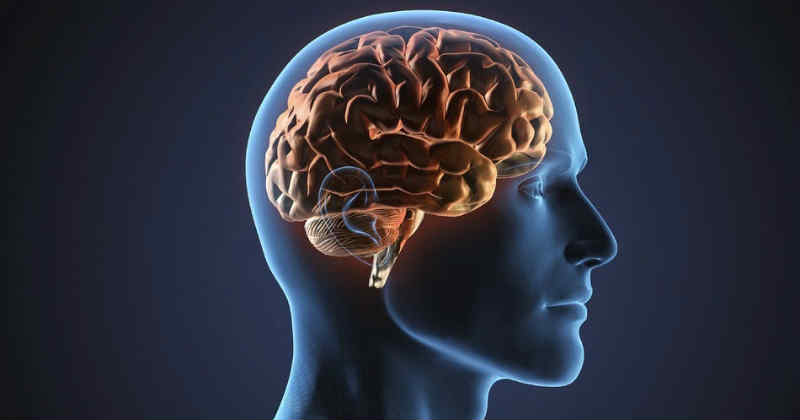
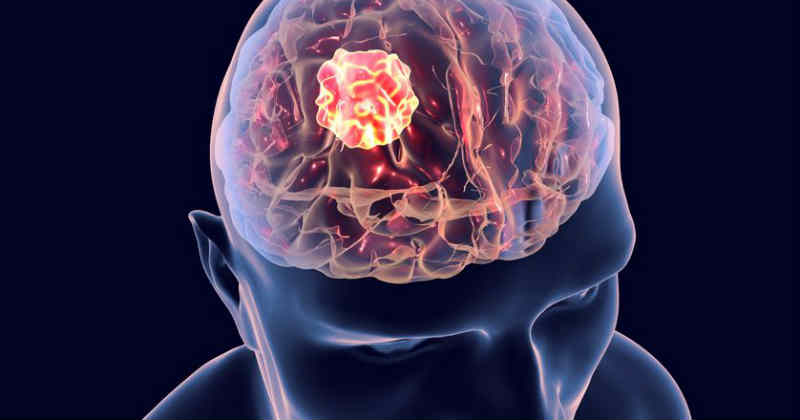
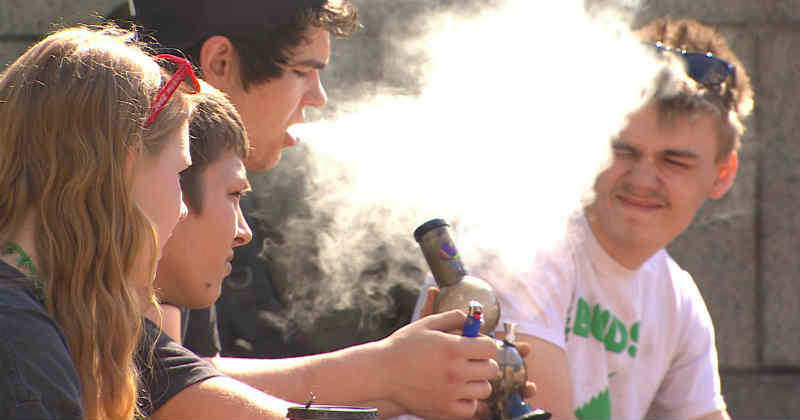
Against a backdrop of growing social acceptance of cannabis, researchers are rightly investigating the possible risks associated with its use, with a view to guiding policymakers. Regular consumption of cannabis is reputed to impair cerebral capacities: an argument that was used extensively to prohibit it, but whose veracity has yet to be established. To test this hypothesis, a group of researchers has developed the a study published in The Journal of Neuroscience, to detect physical changes in brain structure and volume in regular users compared with non-users.
Does cannabis impair brain capacity?
While cognitive changes are indeed detected in the short term, it remains unclear whether cannabis has a lasting effect on brain morphology, and therefore whether these changes are irreversible or merely temporary. A recent study suggested that the effects of cannabis on cognitive functions faded after a month's abstinence. Cognitive functions are evaluated using performance tests that assess a form of intelligence. However, to understand the scientific approach, it's important to know that we still don't really know what intelligence is, or how to observe it in the brain. Several hypotheses exist: IQ could have to do with the structure or volume of the brain, the amount of grey matter present in certain regions, the speed of nerve impulses or the number of connections between neurons.
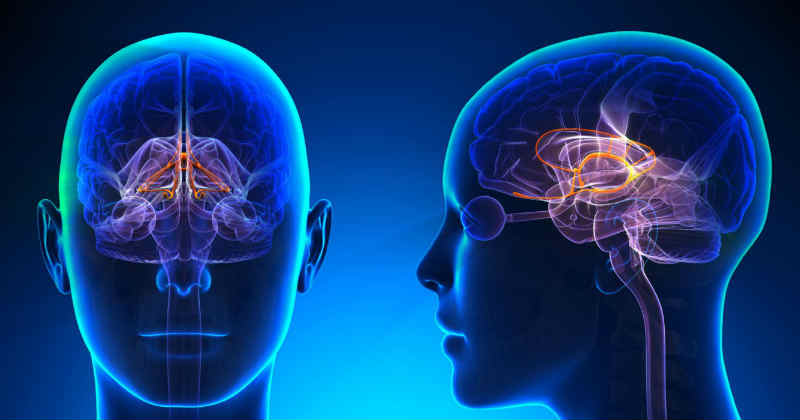
Some studies have found that cannabis alters some of these characteristics. A study suggests that regular cannabis use reduces the amount of gray matter in the brain but increases neuronal connectivity. Another study found that regular cannabis use negatively altered the size, structure and density of certain brain regions such as the nucleus accumbens, a region involved in the reward circuit, and the amygdala, a region that plays a central role in emotions. Others found no significant change in brain morphology.
This study was designed to verify the results of studies suggesting changes in certain brain regions, such as the nucleus accumbens, amygdala, hippocampus and cerebellum. It compares 29 adult daily users and 50 adolescents with 29 adult non-users and 50 adolescents. It has developed a strengthened methodology that takes into account numerous adverse factors such as depression, age, smoking, gender and alcohol consumption.
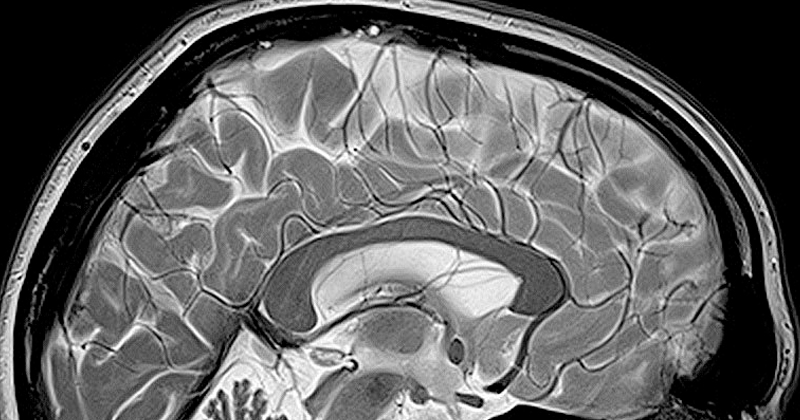
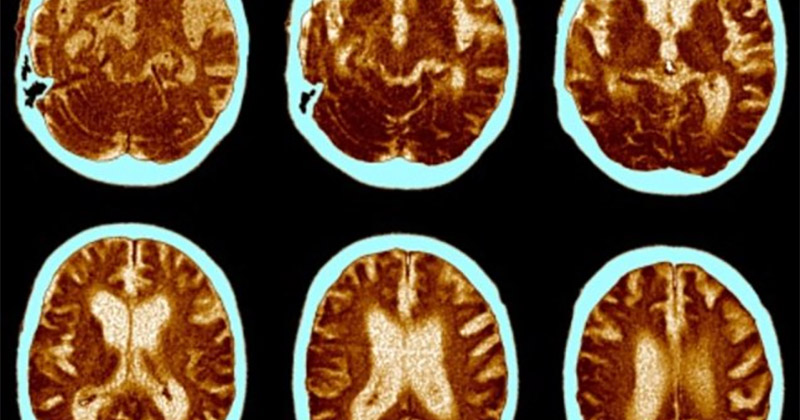
After performing MRI scans on each of the participants and conducting statistical analyses, the researchers concluded that there were no significant differences between the brain volume and structure of users and non-users. According to the researchers, previous studies may not have sufficiently taken into account adverse factors such as alcohol consumption which has been shown to play a decisive role in reducing the volume of certain brain regions and altering brain structure and capacity, even with modest consumption.









JIHE 2026: Japan’s Largest Trade Show Dedicated to Hemp and CBD Returns to Tokyo with More Than 100 Industry Players

New Caledonia: The Courts Clear the Way for the Return of CBD

The Brazilian medical cannabis market continues to grow

Morocco: Three Cannabis-Based Medications Approved for the Treatment of Epilepsy

Canopy Growth Receives New EU-GMP Certification to Strengthen Its Presence in Europe

Three years after legalizing medical cannabis, Albania continues to establish regulations for it

The first plant-based medical THC spray arrives in the United Kingdom

Medical Cannabis in Germany: THC Prices Vary by a Factor of 12

France already has 3,000 cannabis retail outlets. None of them are legal.

Morocco's exports of legal cannabis have expanded to 15 countries
-
 Business2 weeks ago
The legal cannabis market in New York exceeds 4 billion $ in revenue
-

 Cannabis in France4 weeks ago
Which countries legalized medical cannabis before France?
-
Business4 weeks ago
South Korea is preparing to begin local production of medical cannabis to meet rising demand
-
Cannabis in France4 days ago
France already has 3,000 cannabis retail outlets. None of them are legal.
-
Cannabis in Thailand4 weeks ago
From the boom in dispensaries to a purely medical approach: Thailand is revising its cannabis policy
-
Cannabis in the U.S.5 days ago
A DEA report confirms that there are no fatal cannabis overdoses
-
Cannabis and driving3 weeks ago
Medical Cannabis and Driving: New South Wales Ends Automatic Penalties for THC
-
Cannabis in France3 weeks ago
France’s Drug Policy Chief Defends Cannabis Prohibition... and Runs Into the Facts
















You must be logged in to post a comment Login