Can too much cannabis damage the brain?

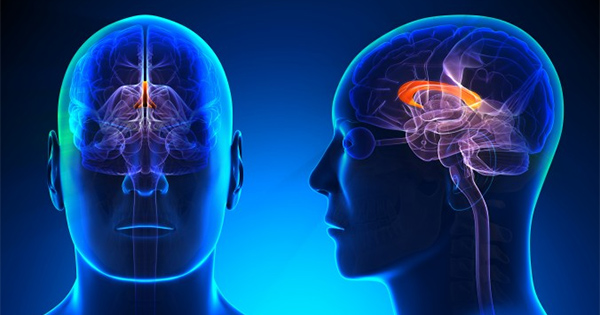
A recent study by King's College London triggered an epidemic of catchy headlines implying that the study showed that consumption of «skunk» cannabis (shorthand for a strain of cannabis with high THC content) increased the chances of triggering psychoses and related symptoms.
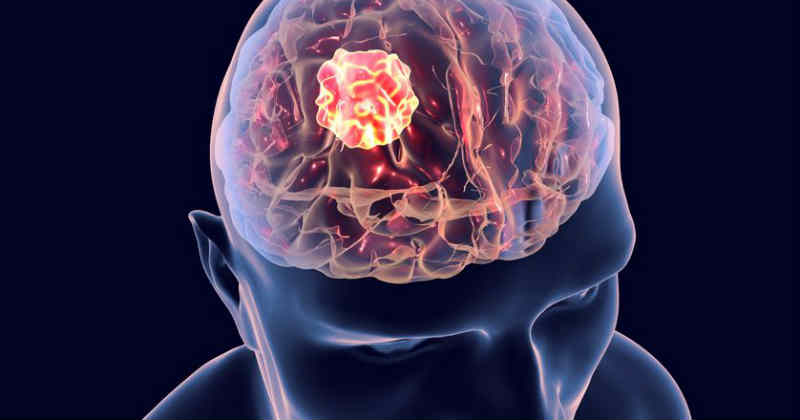
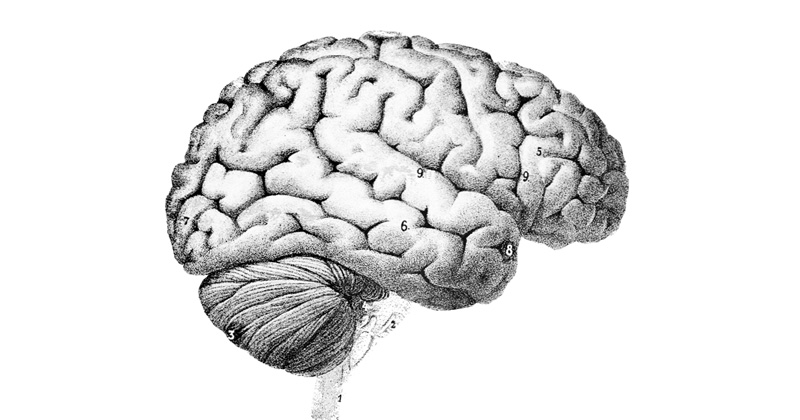
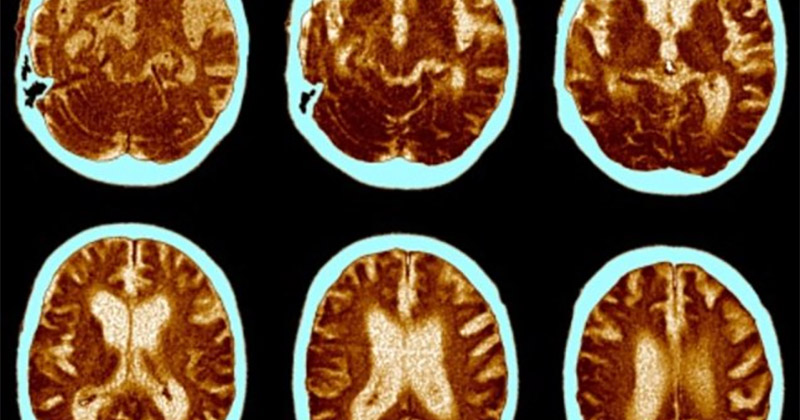
The study, entitled « Effect of High-Potency Cannabis on Corpus Callosum Miscrostructure »The study, entitled "The effects of high-dose cannabis on the microstructure of the corpus callosum", in fact concluded that, in a limited number of participants, there was a link between degradation of the microstructure of the corpus callosum, a part of the brain that ensures the transfer of information between the two hemispheres and hence their coordination, and regular consumption of high-dose cannabis.
These results appeared in individuals with and without psychosis, prompting the research team to call for increased awareness and further studies on the subject.
The study in detail
The King's College study takes great care to maintain its scientific integrity, even with a relative absence of cannabis data, including due to lack of research on the subject due to legal restrictions. Statements are made with caution and a certain degree of certainty when referring to other studies.
Precise conclusions of the study are therefore :
«Frequent use of high-dose cannabis is associated with disturbed organization of the callus microstructure in people with and without psychosis. As high-dose preparations are now replacing herbal drugs in many European countries, raising awareness about the risks of high-potency cannabis is crucial.»
This study examines the’effect of cannabis on the structure of the corpus callosum, by evaluating a group of 56 people with a first psychotic episode, 37 of whom smoke cannabis, on the one hand, and a group of 43 people without psychosis, 22 of whom smoke cannabis, on the other.
In total, the study therefore assessed 99 people, all self-reporting cannabis use, as well as their history with other narcotics. In terms of sample size, reproducibility and conditional variables, this study has only uncovered a pattern, which calls for further studies to be carried out with a larger sample and more consistent methods on self-reported consumption.
Another clinical variable to be clarified is the type of cannabis used by study participants. Patients simply reported their frequency of use and an estimate of whether the cannabis they consumed could be classified as low-dose «hash» or skunk »very measured.
These generalizations are the source of the headlines declaring that the Skunk was originally psychosis among its users. While the study did indeed find a link between cannabis with a high THC content and an increased chance of damage to the microstructure of the corpus callosum, only 99 people were studied, 59 of them cannabis users.
Further studies are therefore needed to determine the underlying mechanisms of the cannabis on the brain, to ensure sound medical cannabis use and strict clinical evidence.











Medical Cannabis in Germany: THC Prices Vary by a Factor of 12

France already has 3,000 cannabis retail outlets. None of them are legal.

Morocco's exports of legal cannabis have expanded to 15 countries

Aurora Cannabis Doubles Its Production Capacity in Germany

Tilray is accelerating its operations in Europe thanks to a license in Portugal

Boston will host the 10th annual State of the Cannabis Industry Conference on October 26

A DEA report confirms that there are no fatal cannabis overdoses

A British patient is challenging the NHS's refusal to reimburse medical cannabis

October 2026 CBD Highlights: 10 Strains and Hash to Discover from 5 French Producers

CBD in France: Traceability, Retail Stores, THC and Driving… What the New Bill Proposes
-
 Business2 weeks ago
The legal cannabis market in New York exceeds 4 billion $ in revenue
-

 Cannabis in France3 weeks ago
Which countries legalized medical cannabis before France?
-
Business3 weeks ago
South Korea is preparing to begin local production of medical cannabis to meet rising demand
-
Cannabis in Thailand3 weeks ago
From the boom in dispensaries to a purely medical approach: Thailand is revising its cannabis policy
-
Cannabis and driving3 weeks ago
Medical Cannabis and Driving: New South Wales Ends Automatic Penalties for THC
-
Cannabis in Argentina4 weeks ago
Argentina Opens Its Market to Hemp Flowers Containing 1% of THC
-
Autism3 weeks ago
Autism and Cannabis: Results from the First Placebo-Controlled Trial of NTI164
-
Cannabis in France2 weeks ago
France’s Drug Policy Chief Defends Cannabis Prohibition... and Runs Into the Facts

















You must be logged in to post a comment Login