
Nepal has a unique relationship with cannabis: a sacred plant offered to Shiva, an ingredient in a centuries-old traditional pharmacopoeia, and an informal economic mainstay in the Himalayan hills—but also a substance that has been strictly prohibited since 1976 under international pressure. Nearly fifty years after this ban, the country is at a turning point: in 2024, the federal government promised medical legalization, which has yet to materialize, while in August 2026, Gandaki Province caught everyone off guard by unilaterally legalizing the cultivation and medical use of cannabis within its borders. This page provides an overview of the current legal framework, its history, and ongoing developments.
Illegal
Cannabis is illegal in Nepal
Where in the world is cannabis legal?
Before 1973, cannabis was not illegal in Nepal. Kathmandu had many shops openly selling marijuana and hashish, particularly along what would become infamous as «Freak Street,» in front of Basantapur Durbar: a must-see stop on the Hippie Trail of the 1960s and 1970s, when thousands of Western travelers crossed Asia to reach India and Nepal. Nepalese hashish, or charas, rolled by hand, already enjoyed a reputation for excellence as early as the 18th century.
Beyond tourism, cannabis is an integral part of Nepalese Hindu culture: it is associated with the god Shiva and consumed ritually, particularly during the Maha Shivaratri festival at the Pashupatinath Temple in Kathmandu, where sadhus (Hindu ascetics) smoke publicly within the temple grounds without police intervention, despite the law.
Under pressure from the United States and international drug conventions, Nepal enacted on September 22, 1976, the Narcotic Drugs (Control) Act, 2033, which prohibits the cultivation, production, sale, distribution, importation, exportation, and consumption of cannabis in all its forms (plant, resin, leaves, flowers, extracts). Nepal is also a signatory to the 1961 United Nations Single Convention on Narcotic Drugs, which classifies cannabis as one of the most dangerous drugs—an international classification that complicates any national reform.
The penalties remain severe:
Industrial hemp is also not legally distinguished from psychoactive cannabis in the 1976 law: no cultivation of Cannabis sativa, regardless of its use, is not permitted. The traditional hemp-fiber textile (sometimes called hello), sold to tourists, occupies a cultural niche that is tolerated but is not subject to any legal framework governing its export.
CBD, on the other hand, is not explicitly mentioned in the law: some legal experts believe that a dedicated regulatory framework could legally distinguish it from other substances, but in the absence of such legislation, no medical programs based on cannabis or CBD currently exist at the federal level.
On May 28, 2024, Finance Minister Barsha Man Pun surprised everyone by announcing, during the presentation of the 2024–25 budget, that the government would establish a legal framework for the commercial cultivation and consumption of cannabis for medical use. This announcement followed the work of a study group formed by the Ministry of the Interior to assess the feasibility of a medical cannabis industry.
However, reforming Nepal’s law is not enough: the country must also obtain approval from the International Narcotics Control Board (INCB) under the 1961 Convention. Since that announcement, several steps have been taken (study committees, successive ministerial statements), but no federal law has yet been passed; as of 2026, the national reform remains merely a promise.
Without waiting for action at the federal level, Gandaki Province—which encompasses the Pokhara region and the major Annapurna treks—has taken the lead. A provincial law, which took effect in early August 2026 after being approved by the head of the provincial executive, now authorizes the cultivation and use of cannabis for medical purposes within its territory, despite the federal ban still being in force. Farmers will be required to obtain official authorization from provincial authorities and will be subject to close monitoring of their production.
This initiative creates an unprecedented legal situation: a province is permitting something that national law continues to prohibit. It illustrates the growing pressure—particularly from the agricultural and economic sectors—in favor of a legal cannabis industry in a country where agriculture remains a pillar of the rural economy, and could inspire other Nepalese provinces to follow suit if the Gandaki experiment proves successful.
Proponents of legalization cite several arguments: putting fallow farmland to use, creating jobs in rural areas, generating tax revenue, and aligning with a global trend toward recognizing the medical uses of cannabis. A 2020 study by Nepal’s Narcotics Control Bureau noted that nearly 75 % of the country’s cannabis users are under 30 years old, a factor that also fuels concerns among some policymakers about relaxing the law too quickly.
On this page, you'll find all of Newsweed's latest coverage on changes to cannabis legislation in Nepal, provincial initiatives, and the national debate on the medical cannabis industry.


The Gandaki province in Nepal has officially authorized the cultivation of cannabis for medical and industrial purposes. The provincial law, which took effect this week...


Nepal has a complex relationship with cannabis. Known for its traditional use in religious and cultural contexts, the plant has been banned...


Surendra Pandey, the chief minister of Gandaki Province in Nepal, announced his intention to legalize cannabis and alcohol for personal use. Speaking...
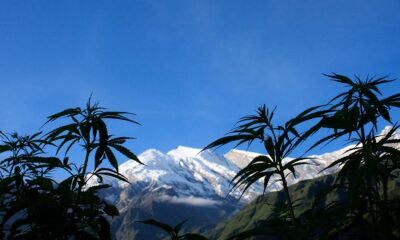

Nepal's Finance Minister Prakash Sharan Mahat said during the announcement of the budget for fiscal year 2023-24 in Parliament that the government was studying...
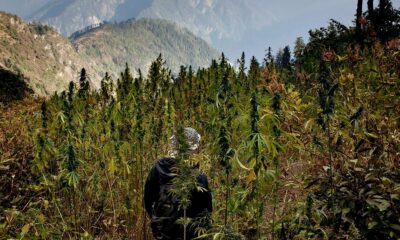

Home of the legendary temple balls and other exotic delights, Nepal could soon be back on the road to legal cannabis, as thinking has already turned...
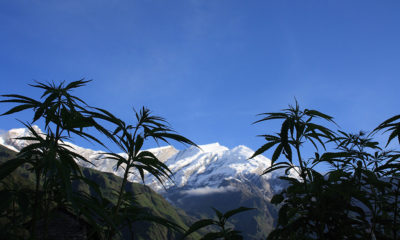

It was a paradise for hippies and cannabis smokers. In the 1960s, hundreds of them flooded into the Himalayan country, attracted by its culture...
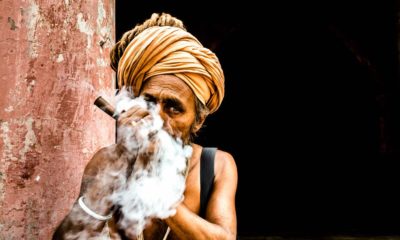

Nepal's ruling Communist Party filed a motion on Sunday calling on the government to lift the ban on cannabis and prohibit its import...
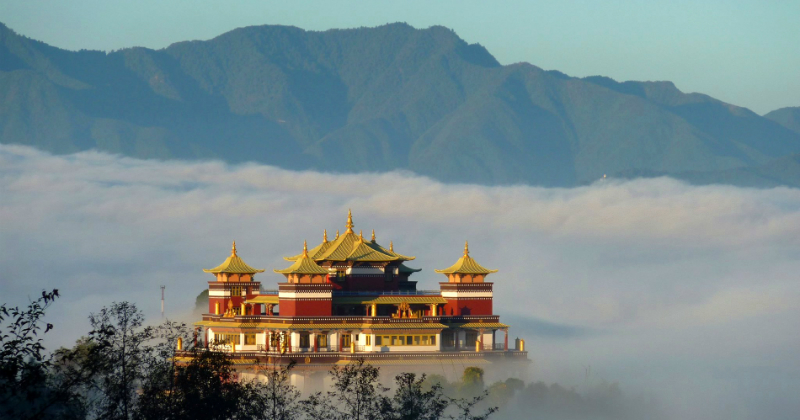
In February, the first Asian Hemp Summit will be held in Kathmandu, an entrepreneurial summit organized to discuss the opportunities offered by hemp cultivation in Asia,...
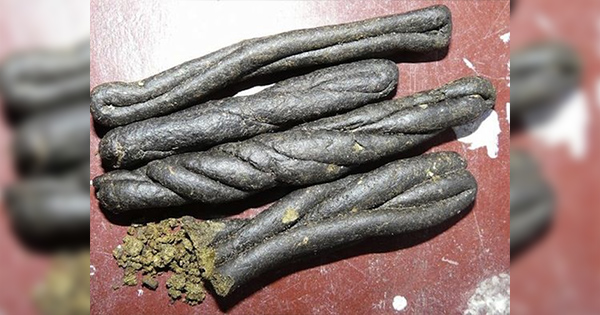
Charas is a manual extraction of cannabis originating in India, at the foot of the Himalayas. Unlike Moroccan hash, which is made by crushing the...




