Cannabis and pregnancy: no harm at birth, but many questions remain

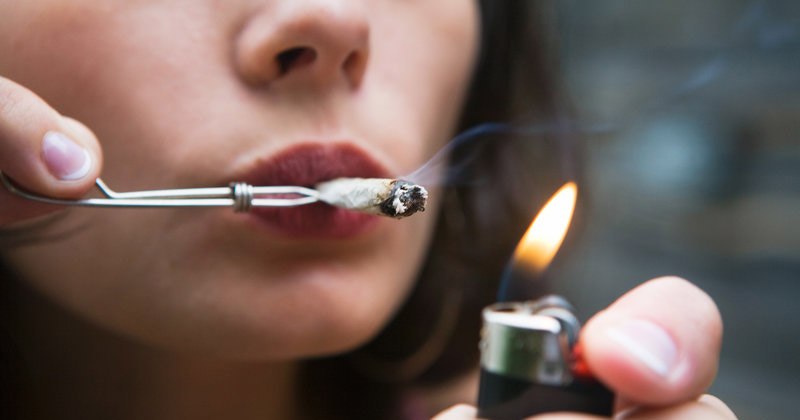
Cannabis is the most commonly used illicit substance during pregnancy. In the United States, 5.2% of pregnant women aged 15 to 44 use cannabis, especially during the first trimester. And while it's possible that THC crosses the placenta could have an impact on the fetus, the evidence is patchy. A review of 31 studies found no link between maternal cannabis use and adverse pregnancy outcomes. This does not mean, however, that it is OK to smoking cannabis during pregnancy.
The review in question shows two things: on unadjusted data (without taking environmental factors into account), that there is a link between cannabis use and low infant birth weight, as well as one-week premature delivery. On adjusted data, that the above-mentioned risks stem more from the tobacco use that accompanies cannabis than from the cannabis itself.
According to Shayna Conner, According to the study's author, a specialist in fetal medicine, the message is very clear: don't use cannabis when you're pregnant. «Any foreign substance that does not directly benefit the mother or the health of the fetus should be avoided». Prevention should, however, focus more on the obvious causes of harm, such as tobacco or alcohol, she says.
There are many reasons for women to be careful about their cannabis use. The previously cited review focuses only on adverse neonatal outcomes such as birth weight, early delivery or birth deaths. It does not cover long-term risks to neural development, such as cognitive difficulties, attention disorders, aggression or hyperactivity, all of which have been observed and documented in children aged 2 to 14.
Another study published in December, found that, despite the imperfection of human studies on the subject, «there is a worrying relationship between altered neural development and early and consistent use of cannabis during pregnancy.» On the other hand, she found no solid evidence of the benefits of medical cannabis during pregnancy in preventing nausea.
Little research has looked in detail at the time of exposure to cannabis and its consequences. Recent studies, however, have taken into account the early stages of pregnancy, which may reassure pregnant women who have used cannabis before they knew it.
In Colorado, where recreational and medical cannabis are legal, the Department of Public Health advises women not to use cannabis during pregnancy. In fact, if the baby tests positive for THC at birth, the law requires that Child Protective Services be notified.
The question of how prenatal exposure to cannabis affects the baby will become ever more pressing as cannabis is legalized for both therapeutic and recreational use around the world.








Medical Cannabis in Germany: THC Prices Vary by a Factor of 12

France already has 3,000 cannabis retail outlets. None of them are legal.

Morocco's exports of legal cannabis have expanded to 15 countries

Aurora Cannabis Doubles Its Production Capacity in Germany

Tilray is accelerating its operations in Europe thanks to a license in Portugal

Boston will host the 10th annual State of the Cannabis Industry Conference on October 26

A DEA report confirms that there are no fatal cannabis overdoses

A British patient is challenging the NHS's refusal to reimburse medical cannabis

October 2026 CBD Highlights: 10 Strains and Hash to Discover from 5 French Producers

CBD in France: Traceability, Retail Stores, THC and Driving… What the New Bill Proposes
-
 Business2 weeks ago
The legal cannabis market in New York exceeds 4 billion $ in revenue
-

 Cannabis in France3 weeks ago
Which countries legalized medical cannabis before France?
-
Business3 weeks ago
South Korea is preparing to begin local production of medical cannabis to meet rising demand
-
Cannabis in Thailand3 weeks ago
From the boom in dispensaries to a purely medical approach: Thailand is revising its cannabis policy
-
Cannabis and driving3 weeks ago
Medical Cannabis and Driving: New South Wales Ends Automatic Penalties for THC
-
Cannabis in Argentina4 weeks ago
Argentina Opens Its Market to Hemp Flowers Containing 1% of THC
-
Autism3 weeks ago
Autism and Cannabis: Results from the First Placebo-Controlled Trial of NTI164
-
Cannabis in France2 weeks ago
France’s Drug Policy Chief Defends Cannabis Prohibition... and Runs Into the Facts

















You must be logged in to post a comment Login