
Cannabis and neurogenesis: what's the connection?

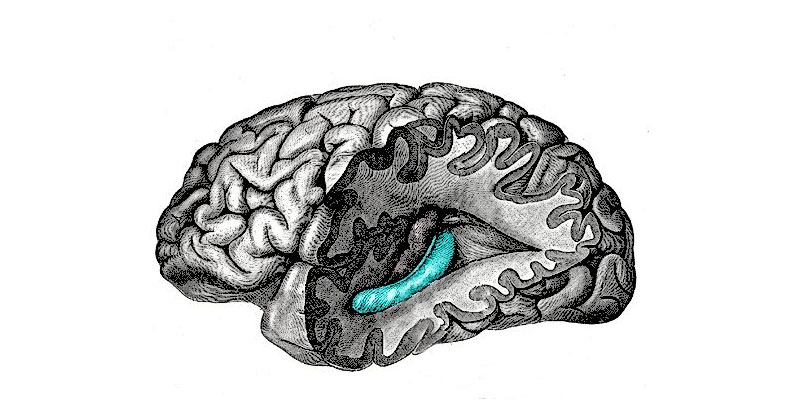
Contrary to popular belief, scientific research continues to show that the Cannabis does not kill brain cells. Recent studies shed new light on our understanding of the subject and suggest that cannabis may increase the number of cells in our brain, a process known as neurogenesis.
What is neurogenesis?
For a long time, it was believed that brain cells stopped increasing in number after a certain age. The latest studies show that the brain continues to produce new neurons in adulthood, particularly in the hippocampus—a region of the brain that plays a major role in memory, learning, and spatial orientation—at a rate of about 5,000 new cells per day.
This process of forming new neurons, known as neurogenesis, is believed to improve brain functions such as learning and memory. Furthermore, numerous studies have linked anxiety and depression to a decline in neurogenesis.
Although neurogenesis is an ongoing process, its rate decreases with age. Regular use of opioids, alcohol, nicotine, or cocaine can also inhibit the neurogenesis process.
The link between cannabis and neurogenesis
Scientific research has found that our endocannabinoid system played a major role in neurogenesis, facilitating it throughout life, from embryonic development to adulthood.
Numerous studies show that cannabis can be used to treat symptoms associated with brain aging and a decline in neurogenesis, including:
- a study published by the Royal Society Publishing on the effects of cannabis on neural activity, particularly degenerative disorders
- the role of CB1 cannabinoid receptors in neurogenesis
Researchers studied the effects of cannabinoids on neurogenesis by using synthetic versions of the THC, the most common cannabinoid in medical cannabis. In particular, a a study conducted in 2005 by the Canadian researcher Dr. Xia Zhang found that synthetic THC—a version 100 times more potent than natural THC—not only promoted neurogenesis in animal models but also appeared to reduce symptoms of anxiety and depression, confirming the link between neurogenesis and mood disorders.
The cannabidiol (CBD) has also shown strong ability to increase neurogenesis.
«Most drug abuse inhibits neurogenesis. Only marijuana promotes neurogenesis,» according to Dr. Xia Zhang.
Interestingly, the cannabinoids naturally produced by the body (endocannabinoids) appear to have the opposite effect on brain cell formation, particularly anandamide, which could inhibit neurogenesis in adults. Experts believe this may be due to the way endocannabinoids and phytocannabinoids interact with cannabinoid receptors.
Although these studies highlight the role of synthetic THC in neurogenesis, further research using natural THC is needed to confirm the role of cannabis in neurogenesis.










Argentina Opens Its Market to Hemp Flowers Containing 1% of THC

The French Socialist Party still doesn't know how to approach the legalization of cannabis

Science in the City International: Paris at the Heart of Transatlantic Scientific and Medical Dialogue

Christine Fréchette is alienating Quebec’s cannabis industry

Rima Hassan: When «Drugs» Become a Political Weapon

From Marathons to Ultratrails: How Extreme Running Affects the Endocannabinoid System

Four days of THC may make breast cancer less aggressive, according to a new study

Medical Cannabis: 14 Organizations Finally Call for Enforcement of the Law

One year after the launch of the Dutch cannabis experiment, the first trends are emerging

High Ground: The Crash of a Plane Full of Marijuana That Made History in Yosemite
-
 Cannabis and driving1 week ago
Cannabis and CBD: French Drivers Can Now Lose Their License Even Without a Positive Test Result
-
Cannabis in France2 weeks ago
Cannabis Legalization: The LFI Bill Has a Major Problem—THC
-

 Cannabis in the Netherlands3 days ago
One year after the launch of the Dutch cannabis experiment, the first trends are emerging
-
Cannabis in France4 days ago
French medical cannabis remains stalled at the Ministry of Health
-
Business3 days ago
The United Kingdom Is Moving Closer to a Regulated CBD Market
-
Cannabis in Europe2 weeks ago
Andorra Paves the Way for Medical Cannabis Cultivation
-
Cannabis in France2 weeks ago
Drought: Could Hemp Become the New Hope for French Farmers?
-
Cannabis in France2 days ago
Rima Hassan: When «Drugs» Become a Political Weapon













You must be logged in to post a comment Login