Cannabis to combat painkiller addiction


One of the medical properties sought in the prescription of therapeutic cannabis is its pain-relieving properties. Conventional painkillers are sometimes addictive, leaving patients in a state of dependency after treatment.
Opiate addiction
In 2013, 16,000 people died from painkiller overdoses in the United States—more than from heroin and cocaine combined—including 60% cases involving the use of prescribed opioid painkillers, with the remaining 40% resulting from misuse related to drug addiction. In France, the figures are less widely reported, but warnings are regularly issued—for example, against Tramadol, an opioid painkiller prescribed for painful conditions.
While the use of painkillers, therefore, is widespread in the U.S. (remember Dr. House's Vicodin 😉 ?), an alternative exists: cannabis. A recent study conducted by the National Bureau of Economic Research (NBER) suggests that the cannabis legalization helps reduce the number of overdoses. In particular, the study looks at fatal overdoses and admissions to opioid addiction centers in states that have legalized cannabis. Visit States that have legalized cannabis in the USA have seen a reduction in overdoses and admissions to these centers, particularly if they have legalized cannabis dispensaries.
Easy access to cannabis
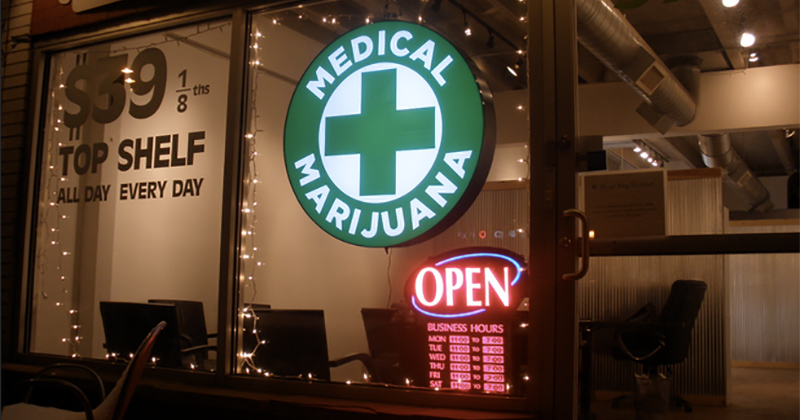
The key to understanding this study is how cannabis users can legally access their plant. For example, the study shows that in the 6 states that have legalized medical cannabis, but have not authorized dispensaries to distribute it, there has been no reduction in painkiller-related deaths. But in the 16 states that have legalized dispensaries, there was a 16% drop in opioid-related deaths, and a 28% drop in admissions to detox centers.
Interestingly, the study shows that there has been no decline in the prescribing of painkillers in states where dispensaries are permitted. The researchers therefore believe that the reduction in overdoses and admissions to detox centers are linked to individuals who purchased their painkillers on the black market.
By facilitating access to cannabis, governments have encouraged people who used to buy their medication on the black market to substitute their pills with cannabis. Of course, cannabis isn't a perfect substitute for people whose health has really been destroyed by opiate addiction, but it can enable addicts to wean themselves off their dependency.
Not all people addicted to painkillers fit the stereotype of a drug addict. Some find themselves in this situation after actual treatment, and are probably looking for help to overcome the post-treatment period.
Abusive prescriptions
The prevalence of doctors prescribing painkillers to athletes is also alarming, particularly in the professional soccer league. Like everyone else, professional athletes face difficult health-related decisions, especially when their livelihood depends on it. Players are often pressured to return to the field quickly so as not to jeopardize the team's season.
When athletes retire from their pro lives, some find themselves in a state of addiction, without understanding how they got there. Many athletes now talk about how cannabis helped them during their careers to avoid addiction and manage pain naturally.
Cannabis can help in many medical situations, and the more research there is, the better it can be prescribed. Pharmaceutical companies should embrace these new molecules. Otherwise, they could be responsible for their own negligence.













JIHE 2026: Japan’s Largest Trade Show Dedicated to Hemp and CBD Returns to Tokyo with More Than 100 Industry Players

New Caledonia: The Courts Clear the Way for the Return of CBD

The Brazilian medical cannabis market continues to grow

Morocco: Three Cannabis-Based Medications Approved for the Treatment of Epilepsy

Canopy Growth Receives New EU-GMP Certification to Strengthen Its Presence in Europe

Three years after legalizing medical cannabis, Albania continues to establish regulations for it

The first plant-based medical THC spray arrives in the United Kingdom

Medical Cannabis in Germany: THC Prices Vary by a Factor of 12

France already has 3,000 cannabis retail outlets. None of them are legal.

Morocco's exports of legal cannabis have expanded to 15 countries
-
 Business2 weeks ago
The legal cannabis market in New York exceeds 4 billion $ in revenue
-

 Cannabis in France4 weeks ago
Which countries legalized medical cannabis before France?
-
Business4 weeks ago
South Korea is preparing to begin local production of medical cannabis to meet rising demand
-
Cannabis in France4 days ago
France already has 3,000 cannabis retail outlets. None of them are legal.
-
Cannabis in Thailand4 weeks ago
From the boom in dispensaries to a purely medical approach: Thailand is revising its cannabis policy
-
Cannabis in the U.S.5 days ago
A DEA report confirms that there are no fatal cannabis overdoses
-
Cannabis and driving3 weeks ago
Medical Cannabis and Driving: New South Wales Ends Automatic Penalties for THC
-
Cannabis in France3 weeks ago
France’s Drug Policy Chief Defends Cannabis Prohibition... and Runs Into the Facts














You must be logged in to post a comment Login