
Study: women more vulnerable to cannabis addiction than men


An article published in Frontiers (in the Behavioral Neuroscience section) summarizes all the studies on the influence of female and male hormones—such as testosterone, estrogen, and progesterone—on the endocannabinoid system. According to the article, the biochemical differences between the female and male endocannabinoid systems may lead to different sensitivities to exogenous cannabinoids, such as phytocannabinoids. The authors conclude that the biological responses to cannabis use differ between the two sexes.
Genetics, Environment, and Addiction
Obviously, the social environment plays a crucial role in drug use through factors such as social status, drug availability, family environment, drug use among peers, and prior use of cigarettes and alcohol. Certain mental health conditions can also increase the risk of substance use disorders, as can personality traits such as impulsivity and sensation-seeking. Nevertheless, Genetics also plays a key role in the development of compulsive behaviors and substance use disorders.
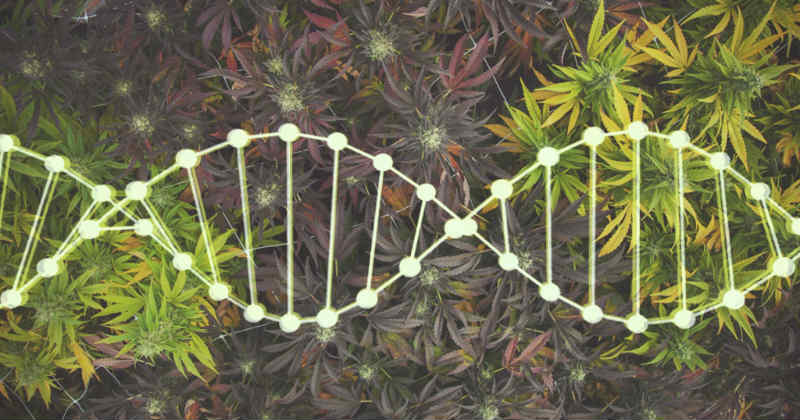
Studies estimate that genetics accounts for between 17 and 67% of cannabis use. Its contribution to cannabis addiction is even greater, ranging from 45 to 78%. Today, some companies even offer to perform genetic testing to determine compatibility an individual’s response to cannabis. Certain genetic differences between men and women could explain behavioral differences regarding drug use. The same is true for hormones. According to the studies cited, men are four times more likely to try cannabis and to use it in large doses. This is partly due to the action of steroids, which stimulate risky behaviors. Women, on the other hand, are said to be «more vulnerable, at a neurochemical level, to developing a cannabis addiction.».
The Role of Hormones
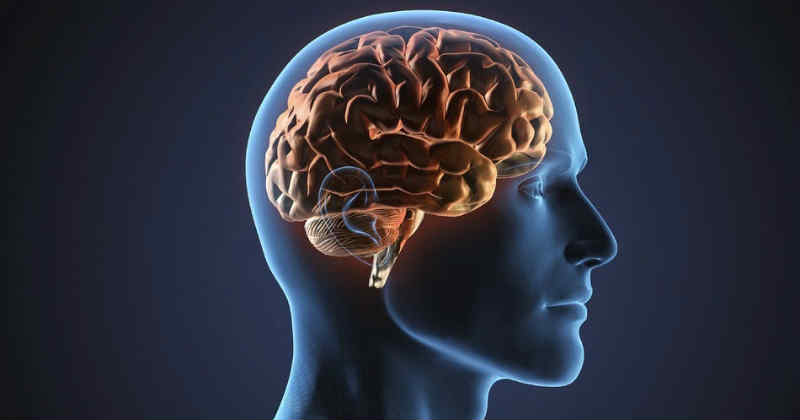
Initially, the fetus has no defined sex; hormones determine its sex. They also play a crucial role in puberty and subsequently influence a variety of aspects of daily life, such as behavior, emotions, and even susceptibility to addiction. There is a two-way interaction between hormones and the endocannabinoid system, and this interaction affects dopamine levels in the brain—the “pleasure” neurotransmitter in the reward circuit.
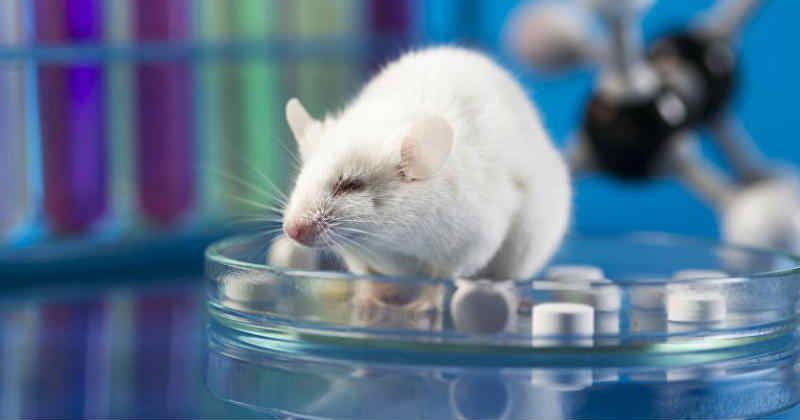
Hormonal differences between men and women lead to different behaviors in response to substances that stimulate this brain circuit. Women, for example, tend to be more receptive, and this receptivity changes depending on their hormonal cycle. In a study conducted on rats, female subjects that had undergone ovariectomy exhibited behavioral changes due to the absence of ovarian hormone production: they were less likely to consume substances or consumed them in smaller amounts. In male subjects, the administration of exogenous steroids stimulated risky behavior and altered the reward circuit, leading to the consumption of larger doses.
The effects vary depending on the cannabinoids studied, the animal species, and the duration of exposure to hormones. Typically, in women, the menstrual cycle is a period of intense hormonal fluctuation that leads to changes in sensitivity to cannabinoids. One hormone that appears to be particularly involved in the biological response to cannabis is estrogen. Studies in rats suggest that «estrogen affects motor control, social behavior, and sensory input —all of which are targeted by drug use—through modulation of the endocannabinoid system, whose feedback in turn affects estrogen production.».
This difference in behavior and sensitivity toward substance use suggests that detoxification treatments and relapse prevention strategies should be tailored differently based on gender. For now, research is still in its early stages, but it appears that cannabis addiction—which affects approximately 10% of users—is significantly linked to hormones and genetics, beyond social environment. A better understanding of the influence of these factors could lead to more effective abstinence and detoxification programs.









China's Yongji Health Takes Control of Tasmanian Botanics

Autism and Cannabis: Results from the First Placebo-Controlled Trial of NTI164

Which countries legalized medical cannabis before France?

From the boom in dispensaries to a purely medical approach: Thailand is revising its cannabis policy

South Korea is preparing to begin local production of medical cannabis to meet rising demand

In the United States, cannabis use among high school students has reached an all-time low

Medical cannabis use surges by 64 % in Denmark

Canopy Growth Enters the U.K. Market with Four Canadian Strains

CBD: Full-Spectrum Extracts Under Threat in Greece

Medical Cannabis and Back Pain: Opioid Use Has Dropped by 90 % in 10 Years
-
 Cannabis and driving2 weeks ago
Cannabis and CBD: French Drivers Can Now Lose Their License Even Without a Positive Test Result
-
Cannabis in France3 weeks ago
Cannabis Legalization: The LFI Bill Has a Major Problem—THC
-

 Cannabis in France23 hours ago
Which countries legalized medical cannabis before France?
-
Cannabis in the Netherlands2 weeks ago
One year after the launch of the Dutch cannabis experiment, the first trends are emerging
-
Cannabis in France2 weeks ago
French medical cannabis remains stalled at the Ministry of Health
-
Cannabis in Argentina1 week ago
Argentina Opens Its Market to Hemp Flowers Containing 1% of THC
-
Business2 weeks ago
The United Kingdom Is Moving Closer to a Regulated CBD Market
-
Cannabis in France1 week ago
Rima Hassan: When «Drugs» Become a Political Weapon















You must be logged in to post a comment Login