
Cannabis could help overcome dependence on more harmful drugs

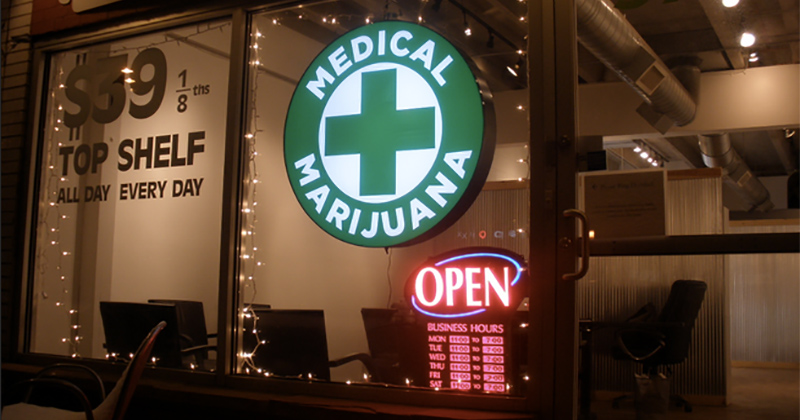
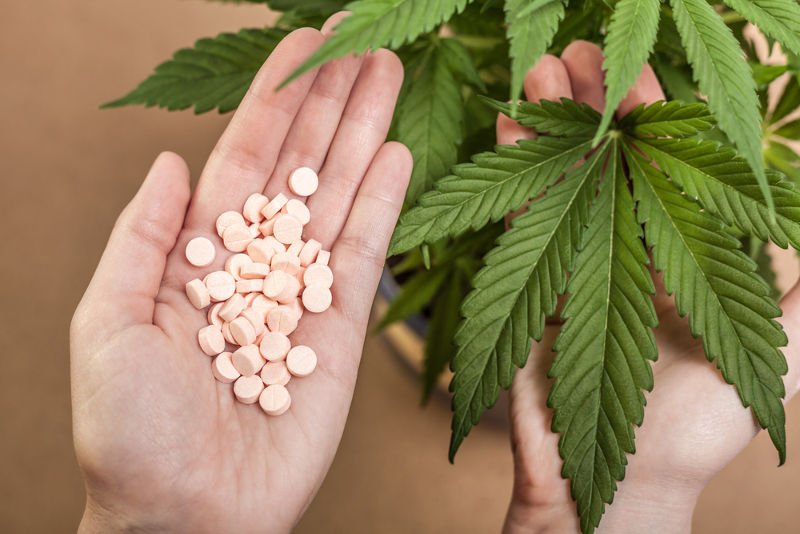
A Canadian study published in the International Journal of Drug Policy shows that cannabis use can serve as a substitute for tobacco and alcohol, and in some cases for the anti-inflammatory drugs and antidepressants available at our pharmacies.
Recently, the DEA admitted that cannabis was not a a gateway drug to other substances. Recent theories on addiction tend to view cannabis as a “de-escalation” drug—a substance that replaces a more harmful one. Scientists have therefore sought to determine whether using this plant can help drug addicts and alcoholics reduce their consumption of addictive substances.
Study Protocol
The study was conducted on 271 people with authorization to purchase medical cannabis. It is one of the first studies to examine the relationship between cannabis use and addiction to other substances. «This study is the first to examine cannabis as a substitute for legal drugs. Cannabis is viewed as an effective treatment for mental and physical health,» say Phillipe Lucas and Zach Walsh, both Canadian university researchers.
First, participants completed an online questionnaire consisting of 107 questions to assess their drug and cannabis use, as well as their personal circumstances. 63 % of them reported using cannabis instead of prescription medications. 30 % of these patients use cannabis instead of opioid medications. Of the 63% who reported using cannabis as a substitute, 16 % use it as a sleep aid instead of traditional benzodiazepines, and 12 % use it to replace antidepressants. 25 % of the total population use cannabis as a substitute for alcohol, 12 % for tobacco, and 3% for other illicit drugs. In Maine, people with substance use disorders have access to medical cannabis to combat their addiction. In Switzerland, Anyone can also purchase CBD cannabis—containing less than 1% of THC—for example, as a substitute for tobacco.
There are still some unexplored aspects of this study. For example, the researchers did not investigate why 42% of these individuals still obtain cannabis on the black market even though they have a medical prescription. Nor does the study specify the frequency or method of cannabis use.
Furthermore, cannabis is still a drug. While it does not cause physical dependence, increased use of marijuana can lead to a long-term addiction.
Théo Caillart




CBD is said to promote athletic recovery, without improving performance

294 cannabis clubs in Chile: a booming movement with uneven distribution

Chronic Sciatica: New York Approves First Clinical Trial of a THC-Based Medication

United States: The DEA is accelerating the integration of medical cannabis at the federal level

Florida is nearing one million patients using medical cannabis

Uruguay Revives Its Plan to Allow Tourists to Legally Access Cannabis

In Brazil, researchers are developing an innovative CBD eye drop

Autism: Medical Cannabis Is Linked to Reduced Anxiety

The $28 billion U.S. hemp market remains under threat

Jamaica Eases Small Farmers' Access to the Cannabis Market
-
 Business5 days ago
The legal cannabis market in New York exceeds 4 billion $ in revenue
-
Cannabis and driving4 weeks ago
Cannabis and CBD: French Drivers Can Now Lose Their License Even Without a Positive Test Result
-

 Cannabis in France2 weeks ago
Which countries legalized medical cannabis before France?
-
Business2 weeks ago
South Korea is preparing to begin local production of medical cannabis to meet rising demand
-
Cannabis in the Netherlands4 weeks ago
One year after the launch of the Dutch cannabis experiment, the first trends are emerging
-
Cannabis in Thailand2 weeks ago
From the boom in dispensaries to a purely medical approach: Thailand is revising its cannabis policy
-
Cannabis in France4 weeks ago
French medical cannabis remains stalled at the Ministry of Health
-
Cannabis in Argentina3 weeks ago
Argentina Opens Its Market to Hemp Flowers Containing 1% of THC















You must be logged in to post a comment Login