Cannabis producer CanAdelaar threatened with closure in the Netherlands for odour nuisance

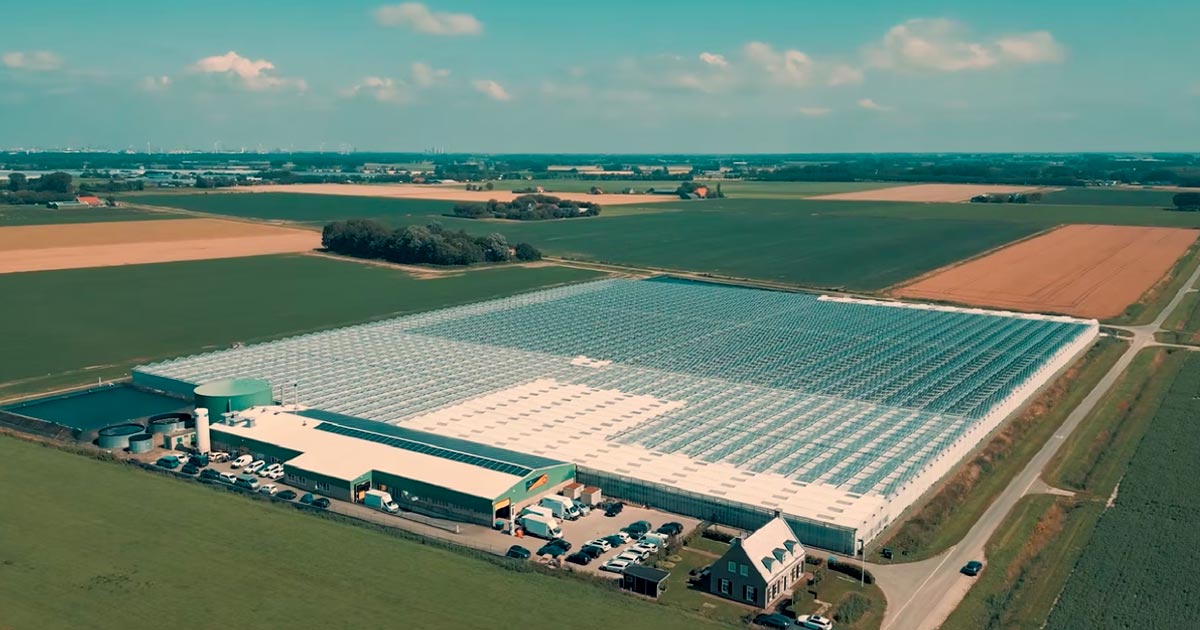
CanAdelaar, one of the Netherlands' authorized cannabis producers, finds itself at the center of a legal storm following complaints of odor nuisance in Hellevoetsluis.
From tomato greenhouse to cannabis giant
When CanAdelaar a graduating in March 2023, the company quickly set about transforming former tomato greenhouses into one of the country's largest cannabis production sites. The facility now covers seven soccer pitches and employs around 100 people year-round. It supplies almost all the 73 coffeeshops participating in the government's pilot project.
The Austrian company embarked on this experiment almost by chance. Initially ranked 12th in the selection process, CanAdelaar only joined the project after two other candidates withdrew. In April 2025, when the second phase of the four-year experiment, CanAdelaar had already positioned itself as the market leader by underestimating one aspect of its cultivation: the smell of Cannabis plants in flower.
First complaints and first measures
By mid-2025, hundreds of complaints had been lodged with the local environmental authority, the DCMR. Residents claimed that when the greenhouse's windows were opened for ventilation, the smell of cannabis was widespread in the neighborhood.
In response, CanAdelaar has invested millions of euros in filtration systems developed by VFA Solutions. These ASPRA® units, originally designed for the medical sector, were intended to neutralize odors and filter gases, microbes and fine particles.
«If it didn't work, we wouldn't have done it,» said sales manager Max Schreder, quoted in Hortidaily.
These measures seemed to have some effect. In early September 2025, local TV station Rijnmond reported that the number of complaints had fallen sharply, with only six cases recorded in a week, the lowest figure in months. Nevertheless, frustration persisted among residents and authorities alike.
A legal battle
The municipality of Voorne aan Zee, where the site is located, has imposed strict odor regulations. CanAdelaar challenged these requirements in court, calling them a «disguised closure». The company argued that it had already taken costly measures, and that additional measures could require up to 35 million euros additional investments.
On September 2, 2025, a hearing was held to determine whether fines of up to 2 million euros could be imposed if odor complaints persisted beyond September 4. CanAdelaar's lawyer openly expressed his irritation, claiming that the municipality was seeking to oust the producer despite his efforts.
A few days later, on September 10, the Rotterdam District Court had made its decision: CanAdelaar had one week to reduce odours or face closure, with fines of up to 3.5 million euros. The court described the situation as «very serious» and upheld the municipality's right to apply sanctions.
A key player in the cannabis trial
The stakes are high not only for the company, but also for the environment.’Dutch experience with cannabis, which aims to regulate the entire supply chain, from cultivation to coffeeshops.
Cannabis researcher and expert Nicole Maalsté has repeatedly warned that the loss of CanAdelaar could jeopardize the trial.
«There are currently only seven growers who actually produce. CanAdelaar is very important. If he pulls out, coffeeshops will have to turn back to the illegal market. Then we can say that the experiment has failed,» she told NOS.
The government, however, played down these concerns. The Ministries of Health and Justice insisted that other producers had sufficient capacity, with a waiting list available if necessary.
Residents, odors and perception
The debate is not only technical, but also cultural. Agricultural smells are commonplace in the Netherlands, whether from cow manure or tomato greenhouses, and are generally accepted as part of rural life. Cannabis, however, gives off what Schreder calls «an odor of illegality», making neighbors less tolerant of it.
CanAdelaar insists that today, thanks to its investment in filtration systems, the smell of cannabis around its greenhouse has largely disappeared. Company representatives claim they are treated unfairly compared to other agricultural producers. «You can hardly smell the cannabis here in the greenhouse anymore,» said Schreder, urging the authorities for «fair treatment» and appealing the fines imposed.
An uncertain future
In mid-September 2025, the matter remains unresolved. CanAdelaar continues production under threat of potential multi-million euro fines and imminent closure.
Beyond the local conflict, this controversy raises broader questions about the viability of the Dutch cannabis experiment. The legal culture Can this experience survive the loss of one of its most important suppliers? And can this experience survive the loss of one of its most important suppliers?
For now, the answer depends on whether CanAdelaar's multi-million euro odor control systems can convince both residents and the courts that legal cannabis can coexist with everyday life in Hellevoetsluis.




















Medical Cannabis in Germany: THC Prices Vary by a Factor of 12

France already has 3,000 cannabis retail outlets. None of them are legal.

Morocco's exports of legal cannabis have expanded to 15 countries

Aurora Cannabis Doubles Its Production Capacity in Germany

Tilray is accelerating its operations in Europe thanks to a license in Portugal

Boston will host the 10th annual State of the Cannabis Industry Conference on October 26

A DEA report confirms that there are no fatal cannabis overdoses

A British patient is challenging the NHS's refusal to reimburse medical cannabis

October 2026 CBD Highlights: 10 Strains and Hash to Discover from 5 French Producers

CBD in France: Traceability, Retail Stores, THC and Driving… What the New Bill Proposes
-
 Business2 weeks ago
The legal cannabis market in New York exceeds 4 billion $ in revenue
-

 Cannabis in France3 weeks ago
Which countries legalized medical cannabis before France?
-
Business3 weeks ago
South Korea is preparing to begin local production of medical cannabis to meet rising demand
-
Cannabis in Thailand3 weeks ago
From the boom in dispensaries to a purely medical approach: Thailand is revising its cannabis policy
-
Cannabis and driving3 weeks ago
Medical Cannabis and Driving: New South Wales Ends Automatic Penalties for THC
-
Autism3 weeks ago
Autism and Cannabis: Results from the First Placebo-Controlled Trial of NTI164
-
Cannabis in France2 weeks ago
France’s Drug Policy Chief Defends Cannabis Prohibition... and Runs Into the Facts
-
CBD1 week ago
In Brazil, researchers are developing an innovative CBD eye drop

















You must be logged in to post a comment Login