
Dutch legal cannabis experiment expands nationwide


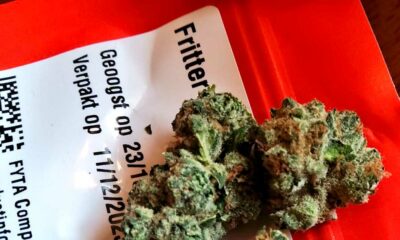
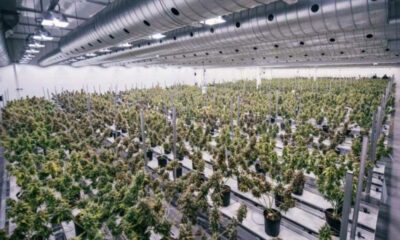
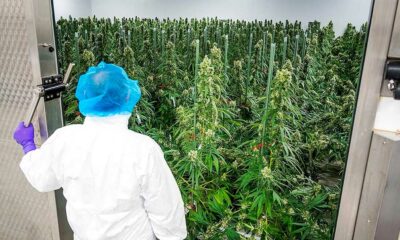
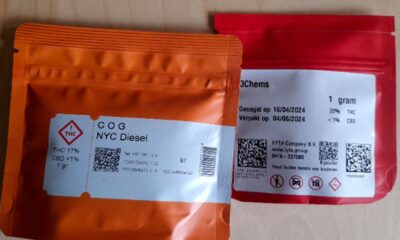
In December 2023, the Dutch government launched a experience regulated cannabis production which aims to supplying coffeeshops with legally produced cannabis. As of Monday, this initiative is being extended across the country to ten cities, with the aim of streamlining the process and ensuring safer, more controlled distribution of cannabis products.
Expanding the cannabic experience
L’Dutch experience in The cannabis initiative has now been extended to eight additional cities: Groningen, Zaanstad, Almere, Arnhem, Nijmegen, Voorne aan Zee, Heerlen and Maastricht. It completes the initial phase which began in Breda and Tilburg at the end of last year. The primary objective of this phase is to 'optimize» the »quantity, quality and diversity« of cannabis products available in cannabis cafés, commonly known as »coffeeshops«.»
The cafés of these cities will now be allowed to sell both illegal cannabis and cannabis produced by licensed growers.
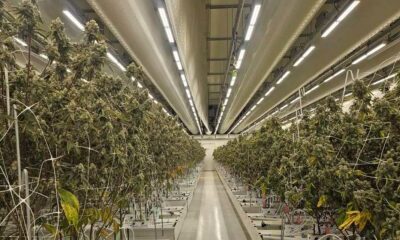
Right now, three suppliers are fully operational to produce regulated cannabis, and the authorities are confident that two more will start operations by September. If this timetable is adhered to, the 80 coffeeshops taking part in the trial will be able to sell only legal products from that month onwards. This measure is essential to achieving the experiment's goal of phasing out the so-called «gedoog» policy.
This policy, introduced in the 1970s, decriminalized the possession of small quantities of cannabis and allowed the creation of authorized sales outlets. However, it simultaneously prohibits production and wholesale, creating a «door in, door out» system. While consumers can legally purchase cannabis from coffeeshops, production and the supply chain remain illicit, giving rise to significant criminal activity.
Addressing crime and safety concerns
This dual system has led to numerous problems, including theft, violence and money laundering. In addition, consumers often lack information on the exact composition of the cannabis they consume, leading to health risks that the health services are unable to manage effectively.
Paul Delpa, Mayor of Breda and a staunch advocate of a regulated system, stressed that the fundamental aim of the experiment was safety. In an interview with Dutch News last year, Mr. Delpa pointed out that «Dutch pot policy is pretty sneaky. People can buy it legally in coffeeshops, but the production of the weed and the buying part (the back door) of the store owners are illegal. This means there's a big criminal underworld that thrives on producing weed and selling it to stores. This has to change.
Despite the concerns of the new government coalition, a majority of MPs voted against a proposal by the far-right PVV party to halt the experiment. In addition, a proposal to include Amsterdam's eastern district in the trial was rejected at the last minute.
The success of this experiment could pave the way for a fully regulated cannabis market in the Netherlands, setting a precedent for other countries facing similar problems. By filling the gaps left by the «back door» policy, the Dutch government hopes to create a safer, more controlled environment for cannabis production and consumption.


















CBD is said to promote athletic recovery, without improving performance

294 cannabis clubs in Chile: a booming movement with uneven distribution

Chronic Sciatica: New York Approves First Clinical Trial of a THC-Based Medication

United States: The DEA is accelerating the integration of medical cannabis at the federal level

Florida is nearing one million patients using medical cannabis

Uruguay Revives Its Plan to Allow Tourists to Legally Access Cannabis

In Brazil, researchers are developing an innovative CBD eye drop

Autism: Medical Cannabis Is Linked to Reduced Anxiety

The $28 billion U.S. hemp market remains under threat

Jamaica Eases Small Farmers' Access to the Cannabis Market
-
 Business5 days ago
The legal cannabis market in New York exceeds 4 billion $ in revenue
-
Cannabis and driving4 weeks ago
Cannabis and CBD: French Drivers Can Now Lose Their License Even Without a Positive Test Result
-

 Cannabis in France2 weeks ago
Which countries legalized medical cannabis before France?
-
Business2 weeks ago
South Korea is preparing to begin local production of medical cannabis to meet rising demand
-
Cannabis in the Netherlands4 weeks ago
One year after the launch of the Dutch cannabis experiment, the first trends are emerging
-
Cannabis in Thailand2 weeks ago
From the boom in dispensaries to a purely medical approach: Thailand is revising its cannabis policy
-
Cannabis in France4 weeks ago
French medical cannabis remains stalled at the Ministry of Health
-
Cannabis in Argentina3 weeks ago
Argentina Opens Its Market to Hemp Flowers Containing 1% of THC
















You must be logged in to post a comment Login