End of monopoly for Bedrocan in the Netherlands

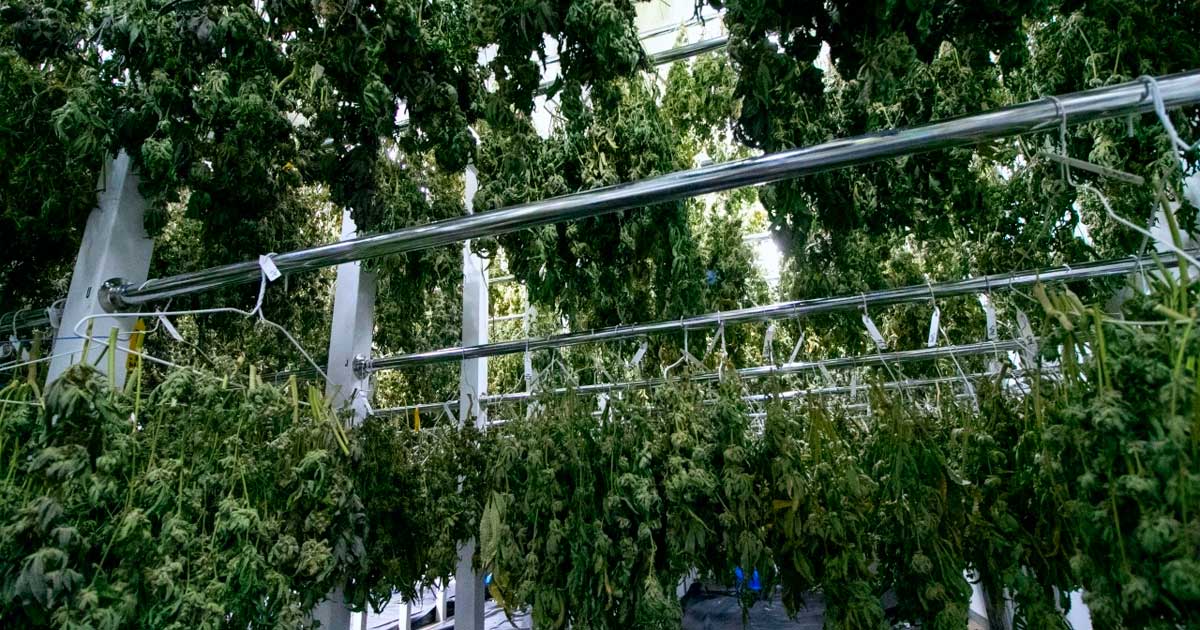
After more than twenty years of a strictly regulated system, the regulatory framework for the medical cannabis in the Netherlands is about to change. Announced progressively since 2024 and confirmed in 2025, the reforms undertaken by the authorities aim to make market organization more flexible, while preserving continuity of care and public health requirements.
For Bedrocan, the exclusive supplier of medical cannabis to the Dutch state for two decades, this transition marks the announced end of a historic monopoly. Which also explains his return to canadian soil and its recent announcement of a partnership with a German company to supply patients across the Rhine.
Bedrocan moves towards a new supply relationship
For nearly 20 years, Bedrocan is the sole producer of medical cannabis for the Dutch state. This exclusive position is now disappearing, as the government prepares a new supply model.
According to a company press release relayed by Cannabisindustrie.nl, Bedrocan's medical cannabis will remain available in Dutch pharmacies throughout 2026, ensuring continuity of care for patients during the transition.
This change was originally scheduled for 2025, but has now been postponed until January 1, 2026, to give the authorities more time to prepare the regulatory and operational framework. Bedrocan CEO, Jaap Erkelens, presented the change as expected and manageable: «Although this transition was expected following previous announcements by the Minister of Health, we intend to ensure a continuous supply of medical cannabis to the Dutch market in the future.»
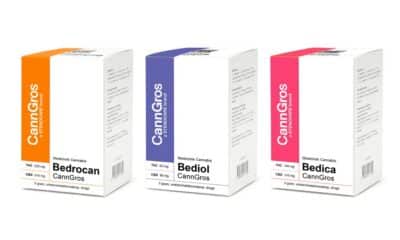
Bedrocan currently produces five standardized varieties in the Netherlands, each defined by specific THC and CBD ratios, and remains a key reference for pharmaceutical-quality production.
A reduced role for the Office of Medical Cannabis
One of the pillars of the reform is the planned amendment of the Opium Act, which will significantly limit the responsibilities of the Bureau of Medical Cannabis (BMC). Rather than acting as exclusive buyer, seller and exporter, the BMC is expected to evolve into an administrative and supervisory role, focusing primarily on import and export licenses.
This change should open the door to other producers and distributors operating under the exemptions provided by the Opium Act. As Erkelens points out, the reduced role of the BMC «could potentially create more opportunities for the production and distribution of medical cannabis».
However, previous attempts to diversify suppliers have run into difficulties: a call for tenders was launched, but abandoned after companies such as Xebra and Aurora, and the whole process was finally halted.
Progressive liberalization under close scrutiny
In a letter to Parliament in June 2024, the then Minister of Health, Pia Dijkstra, presented a plan for the gradual opening up of the medical cannabis market. From September 1, 2024, greater leeway has been given to cannabis preparations, scientific research and casual trade. «Our aim is to expand opportunities in this sector without unacceptably increasing the risk of abuse,» she said.
Subsequent phases will allow trade without limits on volume or frequency, with one notable exception: cannabis flos (cannabis flowers) for pharmacies remain the exclusive responsibility of the BMC for the time being. The final phase of the policy, scheduled for January 2026, includes the reorganization of the BMC and a review of the closed supply chain.
In February 2025, the Ministry acknowledged delays in implementing the second phase of the policy, mainly due to the need to recruit and train inspectors. The revised target was to remain January 1, 2026, followed by a complete legislative overhaul by 2027 at the latest.
And while the timetable has changed, the direction is clear: the Netherlands is moving away from a centralized monopoly towards a more open medical cannabis market.






















JIHE 2026: Japan’s Largest Trade Show Dedicated to Hemp and CBD Returns to Tokyo with More Than 100 Industry Players

New Caledonia: The Courts Clear the Way for the Return of CBD

The Brazilian medical cannabis market continues to grow

Morocco: Three Cannabis-Based Medications Approved for the Treatment of Epilepsy

Canopy Growth Receives New EU-GMP Certification to Strengthen Its Presence in Europe

Three years after legalizing medical cannabis, Albania continues to establish regulations for it

The first plant-based medical THC spray arrives in the United Kingdom

Medical Cannabis in Germany: THC Prices Vary by a Factor of 12

France already has 3,000 cannabis retail outlets. None of them are legal.

Morocco's exports of legal cannabis have expanded to 15 countries
-
 Business2 weeks ago
The legal cannabis market in New York exceeds 4 billion $ in revenue
-

 Cannabis in France4 weeks ago
Which countries legalized medical cannabis before France?
-
Business4 weeks ago
South Korea is preparing to begin local production of medical cannabis to meet rising demand
-
Cannabis in France4 days ago
France already has 3,000 cannabis retail outlets. None of them are legal.
-
Cannabis in Thailand4 weeks ago
From the boom in dispensaries to a purely medical approach: Thailand is revising its cannabis policy
-
Cannabis in the U.S.5 days ago
A DEA report confirms that there are no fatal cannabis overdoses
-
Cannabis and driving3 weeks ago
Medical Cannabis and Driving: New South Wales Ends Automatic Penalties for THC
-
Cannabis in France3 weeks ago
France’s Drug Policy Chief Defends Cannabis Prohibition... and Runs Into the Facts

















You must be logged in to post a comment Login