
How can you tell the difference between good weed and bad weed?
What is high-quality cannabis?
First, let’s go over the basics and review the common terms used when buying good weed. The term «flower»—and all its variations, such as “weed” or “beuh”—refers to the dried flowers of the female cannabis plant, often called buds. Flower is generally psychoactive—the THC content is the main indicator of its euphoric potency—but some flowers have a high CBD content and produce very few, if any, intoxicating effects.
The best shopping experiences, the best edibles, the best hair dyes – and even CBD oil – often come from the best raw material, in English, «top-shelf.».
Identifying a High-Quality Flower can be confusing even for the most experienced cannabis connoisseurs, but the key characteristics that distinguish good weed from bad are the smell, appearance, feel, and structure of the flower. In this article, we’ll break down these four characteristics and give you tips on how to spot good weed and avoid the bad stuff.
What to Look for in Good Weed
The smell: Well-grown cannabis generally has a sharp, pleasant aroma. Flowers that give off a strong scent are a good indication of the flower’s overall quality. The common thread is that a flower that smells good has a distinct, sharp, and inimitable aroma. The stronger the scent,, the more interesting the experience is likely to be.
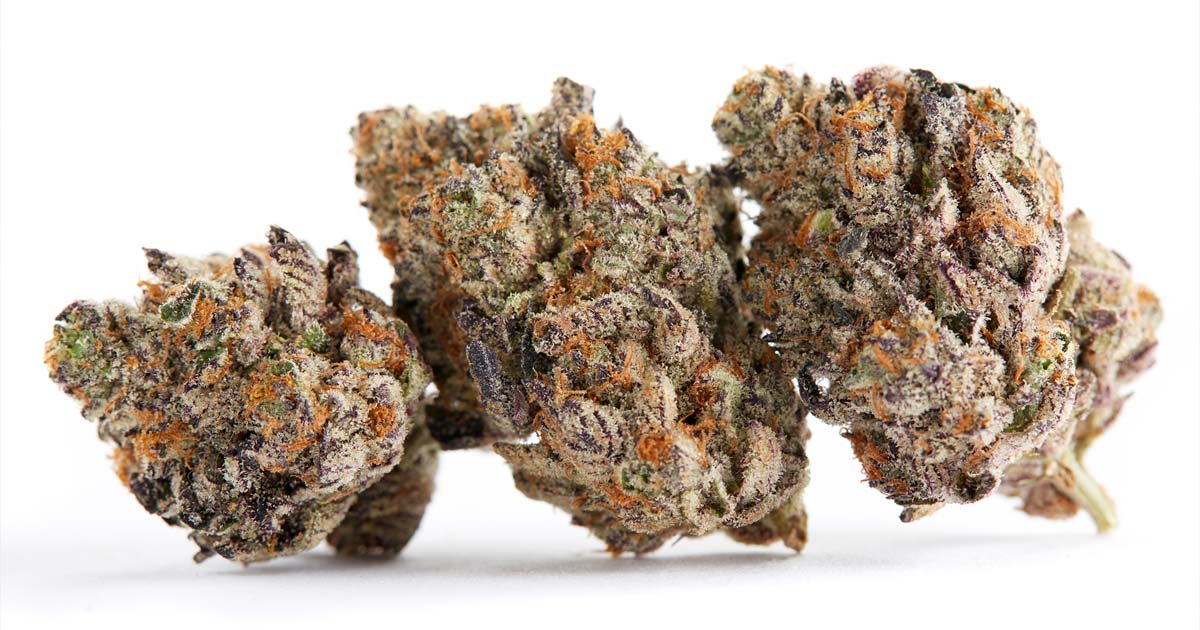
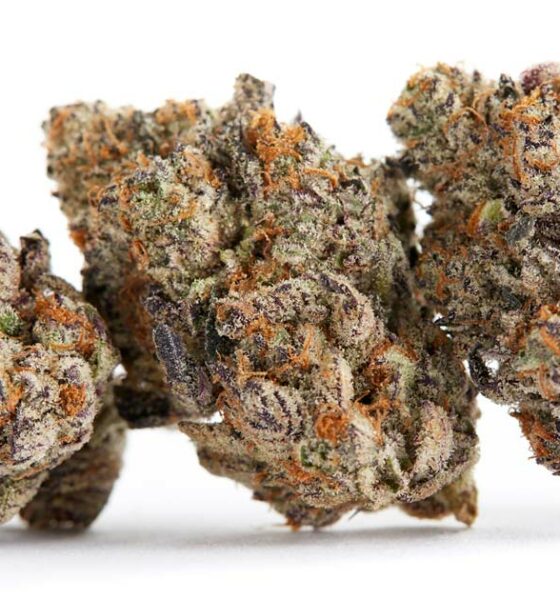
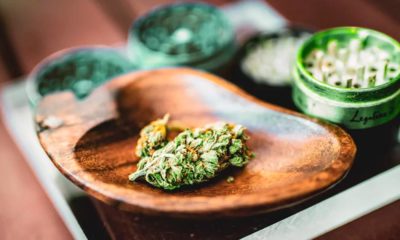
Appearance: High-end flower, like fresh and healthy produce, offers a few visual clues to help you determine its quality. While all good cannabis should be visually appealing, a high-end strain can easily display a vibrant range of colors. High-quality buds are often a deep green with fiery orange or red trichomes. They may also display colors ranging from deep purple to bright blue.
Another important visual indicator of good weed is the quantity and viability of the trichomes. Trichomes are tiny, crystalline, sparkling appendages on the surface of the plant that produce and retain the compounds responsible for the flower’s smell, flavor, and effects. The more frosty trichomes you can see with the naked eye, the better the indicator of the flower’s psychoactive and therapeutic potency. If your eyesight isn’t what it used to be or if you want to get a closer look, use a magnifying glass to get an even clearer view of the trichomes on a bud.
Touch: High-quality flower should feel sticky and slightly spongy when you touch it or gently squeeze it between your fingers. The stems should snap, and the flower head should be relatively easy to separate, but it shouldn’t be completely dry or crumble when you touch it. Similarly, the buds shouldn’t be too damp or soft, as they’re more likely to develop or contain mold.
The structure of the flower: Well-grown sativa flowers tend to be light and fluffy in both form and composition, whereas Indicas tend to have a tighter, denser floral structure. However, the structure and the experience you have usually have little to do with one another. Flowers that are hard as a rock are a sign that growers may have used plant growth regulators, which can result in an unpleasant taste. Extremely fluffy flowers may indicate that the plant was not grown under sufficient light intensity and has not been developed to its full potential.
Other qualities to look for in good marijuana at a legal market
The legal cannabis markets allow you to choose products based on a wider range of criteria, including the’business ethics what makes it grow or the cannabinoid ratios
Ethical Culture: Ethical farming avoids synthetic fertilizers, makes use of living soil, and practices sustainable agriculture
Ethical companies: Small artisanal producers and family-owned businesses are often the most ethical. Legal markets often highlight the women-owned businesses, to Black people or minorities…
A variety of cannabinoids: A Diverse Cannabinoid Profile and terpenes is desirable in the cannabis products. In legal markets, a certificate of analysis comes with every purchase. The certificate provides a complete list of the cannabinoids contained in the product, as well as therapeutic terpenes and any potential contaminants such as pesticides or heavy metals.
How can I tell if it's a weed?
The smell: Poor-quality flowers can have a variety of strange smells, which usually means they’re a batch of low-grade weed. Low-grade buds may give off a musty or damp odor. A musty or straw-like smell is a clear indication of a aged cannabis or compromised. In general, when stored away from light and heat, cannabis has a shelf life of about one year before it begins to deteriorate significantly. Unpleasant odors are usually a sign of improper handling, poorly dried cannabis, or advanced age.
Appearance: A poor-quality flower has a distinct appearance. It may look like a discolored flower or a abundance of stems and seeds. There are many reasons why the flower might lose its color, mold as we grow older by pesticides and chemicals. The bottom line is that you don’t want to buy it, let alone smoke it. A very important indicator of bad weed is the appearance of amber-colored trichomes. Over time, due to light and heat, the trichomes change from a light color to an amber hue. This is a clear sign that you’ve been sold last year’s harvest.
It’s a sad sight: poor-quality cannabis comes in many shades of decay. From earthy brown to lime-green immature buds, nature provides several visual clues to let you know that this is a good plant that has gone bad.
Sensation: When the flower is of inferior quality, it is often dry or brittle to the touch. A bud When dry, it will be light and airy, with no weight to it, unlike a dense, sticky flower. In addition, the weed crumbles easily when handled, or may even fall apart in pieces.
Budding that is too «wet» has stems that do not snap and tend to stay in place when pressed. The extra moisture provides an ideal breeding ground for mold and mildew. Damp buds that tear instead of snapping are a sign that the grower has not properly dried and cured their cannabis.
The structure of the flower: A defective flower structure can be easily detected to the trained eye. While a properly cultivated flower is often aesthetically pleasing, a plant grown without care may produce flowers of inferior appearance. Although a plant’s structure says nothing about its chemical composition, it can nevertheless reveal a great deal. Some insight or inadequate growing conditions can result in «fluffy» or «airy» buds, and although they may contain high levels of cannabinoids and terpenes, their density is still widely and strongly rejected by the cannabis community.













Bedrocan on Hold Amid Uncertainty Over Medical Cannabis

Newsweed Launches Its Own AI
A new tax of 0.5% could disrupt the hemp industry in Canada

Medical Cannabis and Driving: New South Wales Ends Automatic Penalties for THC

China's Yongji Health Takes Control of Tasmanian Botanics

Autism and Cannabis: Results from the First Placebo-Controlled Trial of NTI164

Which countries legalized medical cannabis before France?

From the boom in dispensaries to a purely medical approach: Thailand is revising its cannabis policy

South Korea is preparing to begin local production of medical cannabis to meet rising demand

