Amendment to U.S. Farm Bill could ban 90-95% of all hemp products

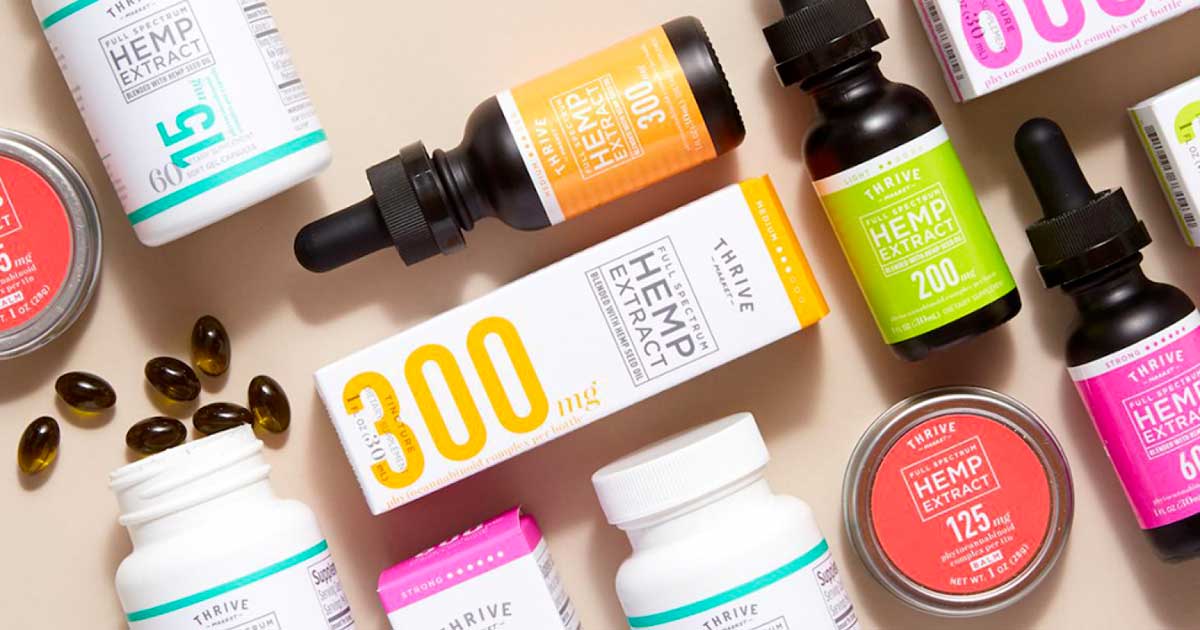
Today, U.S. lawmakers are preparing to debate the next Farm Bill, a crucial legislative session that could reshape the future of the industries in the hemp and CBD across the country. At the heart of this debate is a controversial amendment proposed by Republican Mary Miller, which aims to impose strict regulations on hemp-based products containing any amount of THC.
The Mary Miller Amendment: A Change in Regulation
The proposed amendment aims to regulate the rapidly expanding market for psychotropic products derived from hemp. Compounds such as HHC and the various isomers of THC (delta-8, 9, and 10) have grown in popularity across the United States, largely because of the minimal federal oversight they are subject to. Although several states have implemented their own regulations, there is still no coherent federal framework.
The implications of the amendment are far-reaching. If adopted, it will result in a federal ban on 90 to 95% of hemp-based products currently available, including those approved by the FDA for animal feed.
Jonathan Miller, General Counsel of the U.S. Hemp Roundtable, expressed his strong opposition to the amendment, stating: « The U.S. Hemp Roundtable and dozens of other nonprofit organizations active in the hemp sector strongly oppose the Mary Miller amendment and urge that it be rejected during thetomorrow’s review of the Farm Bill by the House Agriculture Committee« .
Impact on the Hemp and CBD Market
Ms. Miller’s amendment has raised serious concerns within the hemp community. Redefining hemp to include THC-A levels could seriously disrupt the markets for fibers and grains.
As Mr. Miller pointed out, «The Mary Miller amendment throws the baby out with the bathwater, devastating a dynamic industry, killing tens of thousands of jobs in agriculture and retail, and denying access to popular products that Americans rely on for their health and well-being .».
This sentiment is shared by many industry stakeholders who fear the disappearance of popular, non-intoxicating CBD-based products that naturally contain traces of THC. The potential federal ban could dismantle a significant portion of the market, which would have an impact on both consumers and businesses.
Support and Opposition from Stakeholders
While the amendment faces opposition from hemp industry groups, some companies in the cannabis sector have expressed their support. The lower cost and lack of regulation of hemp-derived cannabinoids have begun to erode the market share of traditional cannabis products. These companies therefore view the amendment as a way to reduce competition and protect their interests.
However, the outcome of the debate remains uncertain. Lawmakers in the House Agriculture Committee are still considering whether to introduce the amendment and its potential impact. Some of their Republican colleagues have already expressed their opposition, which could be a deciding factor in the final decision.
Broader implications for jobs in agriculture and retail
The potential adoption of the Mary Miller amendment raises broader questions about the economic impact on the agriculture and retail sectors. The hemp industry supports tens of thousands of jobs across the country, from agriculture and production all the way through to retail and sales. A blanket federal ban could lead to significant job losses and economic disruption.
Furthermore, the amendment could stifle innovation and development in the the hemp and CBD industries. Over the years, these sectors have thrived thanks to consumer demand for natural health and wellness products. By imposing strict regulations, the amendment could hinder the growth of a promising sector that contributes to the economy as a whole.
Consumer Access to Health and Wellness Products
Consumer access to health and wellness products is another aspect of the debate. Many Americans use hemp-derived products for their potential health benefits, including pain relief, anxiety reduction, and overall well-being. The ban on products containing traces of THC could limit consumers' choices and deny them access to beneficial supplements.
The U.S. Hemp Roundtable and other advocacy groups argue that responsible regulation, rather than a ban, is the key to ensuring product safety and consumer protection. They advocate for a balanced approach that addresses safety concerns without dismantling the industry.


























The Brazilian medical cannabis market continues to grow

Morocco: Three Cannabis-Based Medications Approved for the Treatment of Epilepsy

Canopy Growth Receives New EU-GMP Certification to Strengthen Its Presence in Europe

Three years after legalizing medical cannabis, Albania continues to establish regulations for it

The first plant-based medical THC spray arrives in the United Kingdom

Medical Cannabis in Germany: THC Prices Vary by a Factor of 12

France already has 3,000 cannabis retail outlets. None of them are legal.

Morocco's exports of legal cannabis have expanded to 15 countries

Aurora Cannabis Doubles Its Production Capacity in Germany

Tilray is accelerating its operations in Europe thanks to a license in Portugal
-
 Business2 weeks ago
The legal cannabis market in New York exceeds 4 billion $ in revenue
-

 Cannabis in France4 weeks ago
Which countries legalized medical cannabis before France?
-
Business4 weeks ago
South Korea is preparing to begin local production of medical cannabis to meet rising demand
-
Cannabis in France4 days ago
France already has 3,000 cannabis retail outlets. None of them are legal.
-
Cannabis in Thailand4 weeks ago
From the boom in dispensaries to a purely medical approach: Thailand is revising its cannabis policy
-
Cannabis in the U.S.5 days ago
A DEA report confirms that there are no fatal cannabis overdoses
-
Cannabis and driving3 weeks ago
Medical Cannabis and Driving: New South Wales Ends Automatic Penalties for THC
-
Cannabis in France3 weeks ago
France’s Drug Policy Chief Defends Cannabis Prohibition... and Runs Into the Facts

















You must be logged in to post a comment Login