Traces of cannabis found in 17th-century Italian skeletons

Cannabis, often associated with contemporary counterculture, has a long and complex history, deeply rooted in diverse societies. Recent research carried out in Milan, Italy, sheds new light on the’historical use of cannabis by examining skeletal remains from a 17th-century cemetery.
This study by scientists at the University of Milan uncovers evidence of the recreational use of cannabis.
Historical background and papal prohibition
The historical use of cannabis is well documented, the Greek historian Herodotus mentioning its psychotropic effects in 440 BC. Medieval medical records in Europe also reveal widespread medicinal applications of cannabis, treating ailments ranging from gout to labor pains.
In 1484, Pope Innocent VIII issued a decree calling cannabis an «unholy sacrament», initiating a centuries-long association with paganism and a rebellion against the Church.
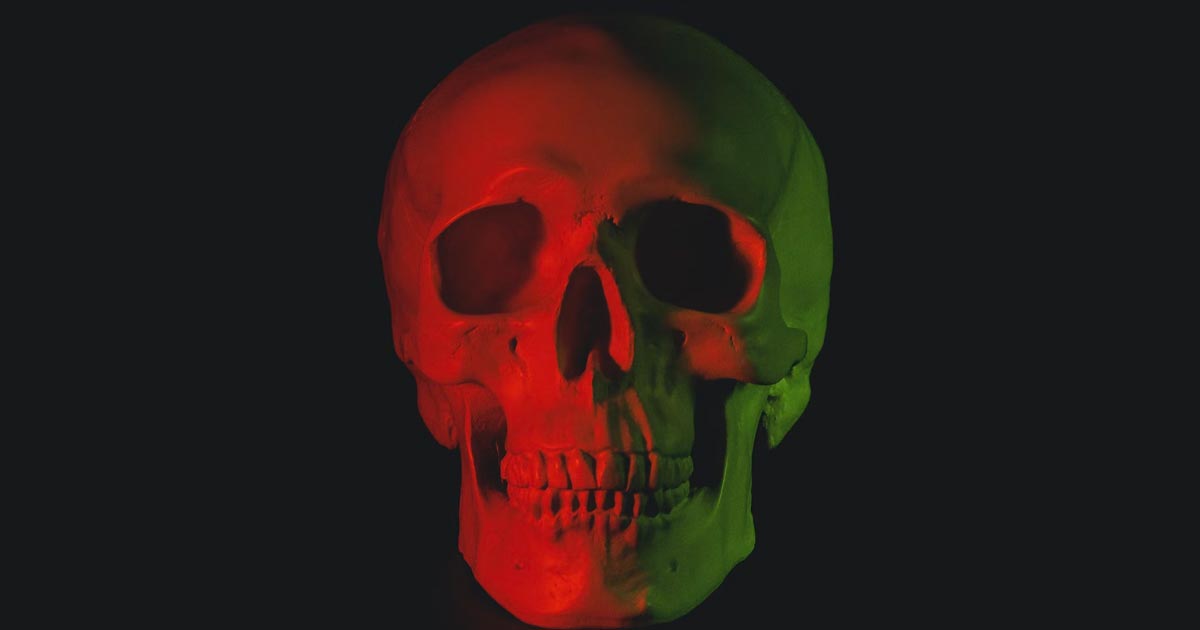
Researchers led by biologist Gaia Giordano have carried out a groundbreaking study on femurs from the Ca’ Granda crypt in Milan, discovering traces of THC and CBD. This is the first time that cannabis has been detected in human bones, providing a unique insight into historical cannabis consumption. These results challenge the prevailing view that cannabis disappeared from the historical record after the papal ban.
The results of the study indicate that cannabis was probably used recreationally in Milan in the 17th century, as the medical records of the Ospedale Maggiore, the city's main hospital for the poor, did not include cannabis among the medicinal plants.
Archaeotoxicologist Domenico di Candia, who led the study, suggests that the harsh conditions in 17th-century Milan, characterized by famine, disease and poverty, may have contributed to the recreational use of cannabis. The plant could have been added to foods, such as cakes and infusions, to alleviate the harsh realities of life at the time.
Historical hemp production in Italy
The historic role of’Italy as a major hemp producer adds another layer to the conclusions. Hemp was widely used in a variety of industries, including rope, textiles and paper. Researchers, including Marco Perduca, a former Italian senator, believe that hemp's popularity in Italian history makes it likely that cannabis was also consumed for its psychoactive effects.
This discovery raises questions about the social shame associated with cannabis use, which persists to this day.
Perduca suggests that the stigma is rooted in the perception of cannabis as a substance that defies obedience, particularly to the Catholic Church, which is historically a powerful institution in Italy. Despite the current legalization of medical cannabis in Italy, debates about its wider acceptance, including the’Inclusion of CBD in the schedules of narcotics, continue.






















JIHE 2026: Japan’s Largest Trade Show Dedicated to Hemp and CBD Returns to Tokyo with More Than 100 Industry Players
New Caledonia: The Courts Clear the Way for the Return of CBD

The Brazilian medical cannabis market continues to grow

Morocco: Three Cannabis-Based Medications Approved for the Treatment of Epilepsy

Canopy Growth Receives New EU-GMP Certification to Strengthen Its Presence in Europe

Three years after legalizing medical cannabis, Albania continues to establish regulations for it

The first plant-based medical THC spray arrives in the United Kingdom

Medical Cannabis in Germany: THC Prices Vary by a Factor of 12

France already has 3,000 cannabis retail outlets. None of them are legal.

Morocco's exports of legal cannabis have expanded to 15 countries
-
 Business2 weeks ago
The legal cannabis market in New York exceeds 4 billion $ in revenue
-

 Cannabis in France4 weeks ago
Which countries legalized medical cannabis before France?
-
Business4 weeks ago
South Korea is preparing to begin local production of medical cannabis to meet rising demand
-
Cannabis in France4 days ago
France already has 3,000 cannabis retail outlets. None of them are legal.
-
Cannabis in Thailand4 weeks ago
From the boom in dispensaries to a purely medical approach: Thailand is revising its cannabis policy
-
Cannabis in the U.S.5 days ago
A DEA report confirms that there are no fatal cannabis overdoses
-
Cannabis and driving3 weeks ago
Medical Cannabis and Driving: New South Wales Ends Automatic Penalties for THC
-
Cannabis in France3 weeks ago
France’s Drug Policy Chief Defends Cannabis Prohibition... and Runs Into the Facts

















You must be logged in to post a comment Login