Alabama: first medical cannabis sales imminent after years of delay

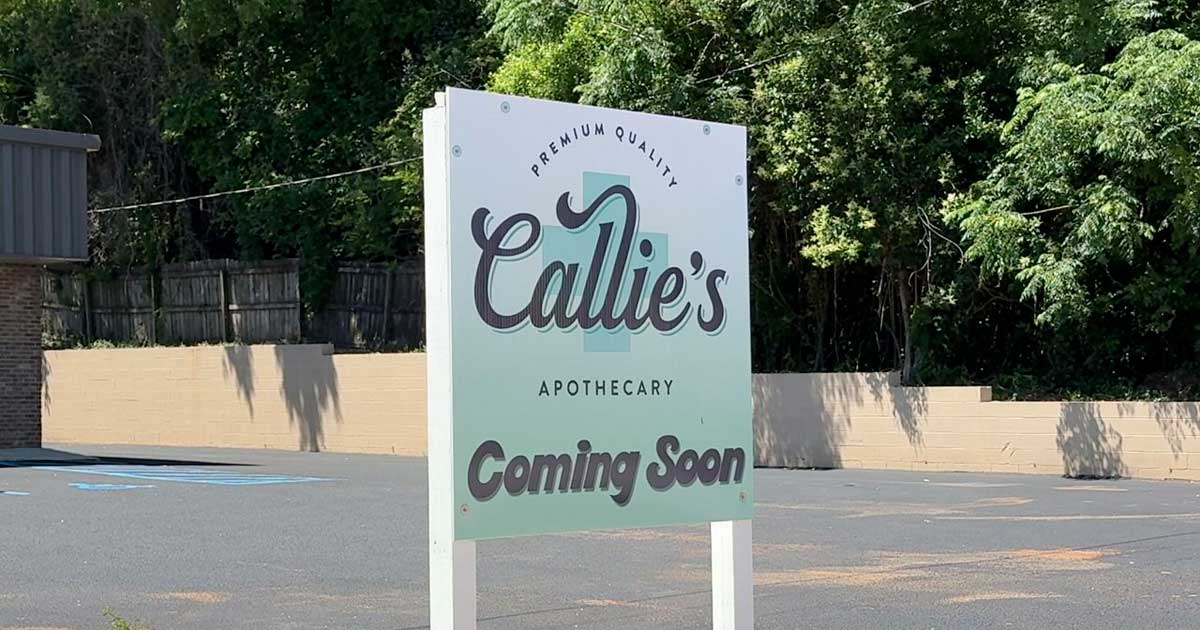
Alabama is preparing to hold its first legal sales of medical marijuana. Following the passage of a law in 2021, the actual launch of the program has been held up by administrative, technical, and legal obstacles. But according to several industry stakeholders, the countdown has now begun.
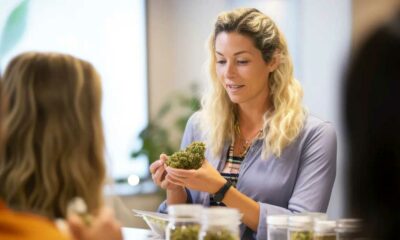
In Montgomery, Callie's Apothecary is expected to become the very first clinic to open its doors. Its owner, Vince Schilleci, says that the arrival of the products and their validation in the lab are the last remaining steps before the facility can begin treating its first patients.
«We have to keep in mind that this product isn’t like potato chips or something that’s easy to ship, and that it has to go through a whole series of tests. We have to integrate it into the government’s traceability system, from seed to sale. There are a lot of elements to coordinate, but we’re almost there,» he explained during a site visit.
A strictly medical program
The clinic officials emphasize one point: the medical cannabis program in Alabama is nothing like the recreational markets that have developed elsewhere in the United States. Access will be subject to a strict medical screening process, including a recommendation from a licensed physician and registration in an official registry.
«This is a health program. It’s designed to protect the health of our patients in Alabama, and that clearly means we’re not a recreational program,» says Vince Schilleci. «You can’t just come here and buy something. You have to follow the process to get the card and make sure you have a qualifying condition.»
Upon arrival, patients must present a form of identification as well as a medical cannabis card. The store will operate on a model similar to that of a pharmacy, with limited access and security measures in place. Online purchases will not be allowed.
Limited Authorized Products
Alabama Law strictly regulates the permitted product forms. Raw flowers and smokable products remain prohibited. Patients will have access to tablets, tinctures, oils, patches, and gummies, with one surprising restriction: only certain flavors will be available, including peach.
The clinic will offer, among other things, gel cubes, lozenges, tinctures, and even suppositories, depending on medical needs. Vince Schilleci explains that the goal is to tailor the dosage forms to each patient’s needs, whether they have digestive issues, difficulty swallowing, or age-related needs.
The exact price of the products has not yet been announced, but it could be lower than the initial estimates provided during the application process. In 2023, the company mentioned a price of around $65 for a package of gummies.
A phased rollout across the state
Once the program is fully operational, Alabama is expected to have 12 dispensaries operated by four companies. According to John McMillan, director of the Alabama Medical Cannabis Commission, three companies have already obtained their licenses and are expected to open this summer: CCS of Alabama, GP6 Wellness, and RJK Holdings. A fourth license remains tied up in a legal dispute, but could go to Yellowhammer Medical Dispensaries.
«We look forward to moving forward to become what the legislature envisioned, and what the public and patients need,» said Mr. McMillan.
The program’s delays can be attributed in part to disputes among applicant companies, some of which have alleged that the award process is discriminatory. Another lawsuit, filed by five parents seeking faster access to medical cannabis, was dismissed in August.
For now, the program is still in its early stages: approximately 181 patients are reportedly enrolled, and 43 certified doctors are authorized to prescribe medical cannabis in the state. The conditions covered include about 15 different ailments, such as cancer, depression, Parkinson’s disease, PTSD, sickle cell disease, chronic pain, and terminal illnesses.
For Alora Frank, owner of Callie’s Apothecary and former professional in the Florida market, the issue goes beyond mere market liberalization. She emphasizes the psychological and social aspects of access to medical cannabis, which is often associated with persistent stigma.
«During the first visit, people are very nervous, very afraid, and there are a lot of misconceptions about using this product as a medical alternative,» she explains. «We administer cannabis, but in return we receive doses of humanity.»
After five years of waiting, Alabama finally seems ready to move from legislation to reality. It remains to be seen whether this opening—heralded as imminent—will live up to its promises, and whether the program will be able to evolve into a more diversified offering as the market takes shape.

















JIHE 2026: Japan’s Largest Trade Show Dedicated to Hemp and CBD Returns to Tokyo with More Than 100 Industry Players

New Caledonia: The Courts Clear the Way for the Return of CBD

The Brazilian medical cannabis market continues to grow

Morocco: Three Cannabis-Based Medications Approved for the Treatment of Epilepsy

Canopy Growth Receives New EU-GMP Certification to Strengthen Its Presence in Europe

Three years after legalizing medical cannabis, Albania continues to establish regulations for it

The first plant-based medical THC spray arrives in the United Kingdom

Medical Cannabis in Germany: THC Prices Vary by a Factor of 12

France already has 3,000 cannabis retail outlets. None of them are legal.

Morocco's exports of legal cannabis have expanded to 15 countries
-
 Business2 weeks ago
The legal cannabis market in New York exceeds 4 billion $ in revenue
-

 Cannabis in France4 weeks ago
Which countries legalized medical cannabis before France?
-
Business4 weeks ago
South Korea is preparing to begin local production of medical cannabis to meet rising demand
-
Cannabis in France4 days ago
France already has 3,000 cannabis retail outlets. None of them are legal.
-
Cannabis in Thailand4 weeks ago
From the boom in dispensaries to a purely medical approach: Thailand is revising its cannabis policy
-
Cannabis in the U.S.5 days ago
A DEA report confirms that there are no fatal cannabis overdoses
-
Cannabis and driving3 weeks ago
Medical Cannabis and Driving: New South Wales Ends Automatic Penalties for THC
-
Cannabis in France3 weeks ago
France’s Drug Policy Chief Defends Cannabis Prohibition... and Runs Into the Facts
















You must be logged in to post a comment Login