In Utah, the legalization of medical cannabis is threatened by the Mormon Church

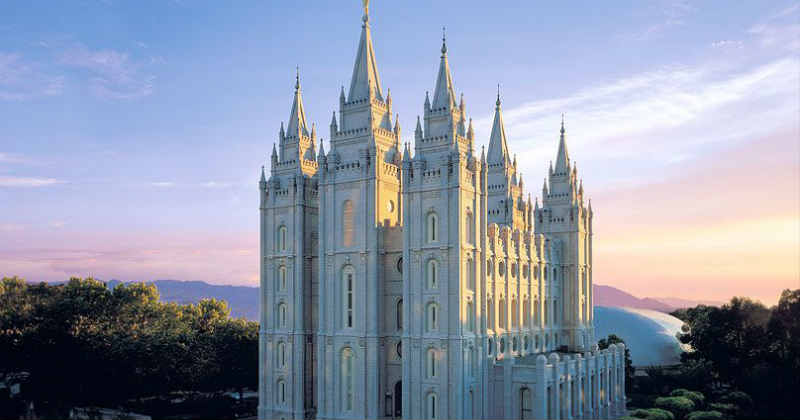
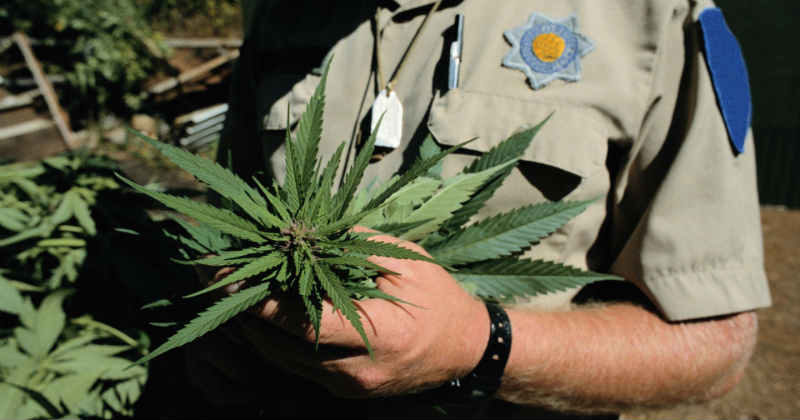
A bill to legalize medical cannabis will be put to a vote by Utah residents on the November ballot. While polls estimated 60% voters in favor, leaders of the Mormon Church, the state's largest religious and social institution, have just come out against it. Given that 60% of Utah residents are Mormons, their position jeopardizes the proposal's accession to the status of law.
A law under threat
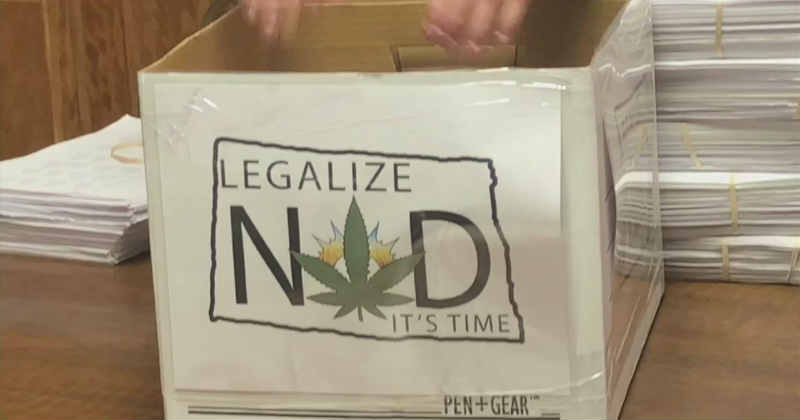
Supporters of the law collected more than 150,000 signatures and had to defeat fierce opposition from a powerful physician lobby and the DEA. The proposed law would allow people to buy up to 57 grams of medical cannabis every two weeks, but they would not be allowed to smoke it; they would have to inhale it in vapor form, eat it or ingest it in pill form.
Despite these restrictions, However, Mormon leaders persist in viewing the plant as a drug, arguing that the law would interfere with police work and jeopardize the health and safety of the state. A conservative stance that Colorado and Nevada, which also has a large Mormon population, do not share this view. What's more, Mormon leaders in these states have not discriminated against medical cannabis users who use a drug approved by and in their state.
The proportion of Mormon leaders in Utah castigating the proposal has increased, and their stance presents Mormon patients and doctors with a major dilemma: to follow the Church's indications or to treat themselves with a drug that relieves pain and treats illnesses sometimes resistant to traditional medicine.
Mr. Schanz, a Mormon and director of the campaign in favor of the proposal, is nonetheless confident about the law's future: «We believe that in November, the people of Utah will side with patients by affirming that people who use cannabis for medical purposes are indeed patients and not criminals.» He adds that, as a traditional institution, it's not surprising that the Church opts for a conservative stance, but that on these issues that affect their well-being and health, people are more inclined to campaign for the recognition of their rights.
A paradoxical position
Some Mormons suffering from chronic pain or other ailments like Brian Stoll point out the paradox of the Church's position: «It seems silly that if I had lived in another state, I wouldn't have had to make such a difficult decision». Brian Stoll recently switched from cannabis to opioids in order to remain on good terms with the Church.
He adds: «It's still something that if I drive east or west, it's 100% legal and useful to my situation. We're not talking about recreational. It's just a drug». A fact also underlined by Mr. Schanz: “We're talking about medical cannabis, which science has proven to be effective for people in pain. People are prescribed pills, but they can't use something natural.
Here's the paradox: Mormon leaders' position on the subject is consistent with their doctrine of life, which prohibits all psychoactive substances such as alcohol, tobacco, drugs, coffee and tea, in accordance with the Word of Wisdom, The Church allows psychoactive and addictive substances to be used as medication. Thus, opioids, which are wreaking havoc in North America, and barbiturates are authorized, but medical cannabis, which could prove to be a gentler, more body-friendly treatment for the same illnesses, is prohibited.
Yet the doctrine does not specifically prohibit cannabis, nor does it say anything about it. On this point, Church leaders align themselves with the federal government's position, treating cannabis as just another illicit drug.








JIHE 2026: Japan’s Largest Trade Show Dedicated to Hemp and CBD Returns to Tokyo with More Than 100 Industry Players

New Caledonia: The Courts Clear the Way for the Return of CBD

The Brazilian medical cannabis market continues to grow

Morocco: Three Cannabis-Based Medications Approved for the Treatment of Epilepsy

Canopy Growth Receives New EU-GMP Certification to Strengthen Its Presence in Europe

Three years after legalizing medical cannabis, Albania continues to establish regulations for it

The first plant-based medical THC spray arrives in the United Kingdom

Medical Cannabis in Germany: THC Prices Vary by a Factor of 12

France already has 3,000 cannabis retail outlets. None of them are legal.

Morocco's exports of legal cannabis have expanded to 15 countries
-
 Business2 weeks ago
The legal cannabis market in New York exceeds 4 billion $ in revenue
-

 Cannabis in France4 weeks ago
Which countries legalized medical cannabis before France?
-
Business4 weeks ago
South Korea is preparing to begin local production of medical cannabis to meet rising demand
-
Cannabis in France4 days ago
France already has 3,000 cannabis retail outlets. None of them are legal.
-
Cannabis in Thailand4 weeks ago
From the boom in dispensaries to a purely medical approach: Thailand is revising its cannabis policy
-
Cannabis in the U.S.5 days ago
A DEA report confirms that there are no fatal cannabis overdoses
-
Cannabis and driving3 weeks ago
Medical Cannabis and Driving: New South Wales Ends Automatic Penalties for THC
-
Cannabis in France3 weeks ago
France’s Drug Policy Chief Defends Cannabis Prohibition... and Runs Into the Facts














You must be logged in to post a comment Login