
Oregon's legal cannabis market: chaotic and overproduced

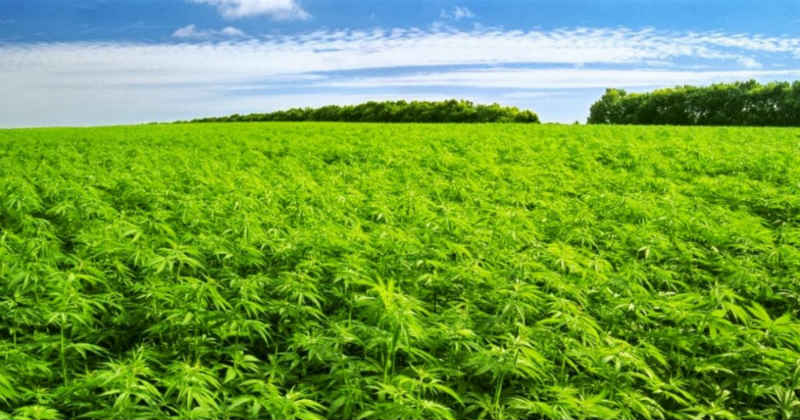
Oregon legalized recreational cannabis in 2015, but due to a lack of foresight and regulation, the state’s market has spiraled out of control. A study recently published by Oregon-Idaho High-Intensity Drug Trafficking Area, a coalition of state and federal agencies that collect data on drug trafficking, shows that the state’s significant overproduction has a negative impact on the economy and the environment and fuels illegal trafficking in other states.
Massive overproduction
Oregon’s annual production capacity is estimated at 911,000 kilos, while annual consumption, in terms of market demand, is only 84,000 to 169,000 kilos. According to the study’s figures, only 31% of the cannabis available for sale was sold, meaning that nearly 70% of legal cannabis remained unsold. The surplus is often sold through other channels and has notably fed the illegal market in states where cannabis remains prohibited. Between July 2015 and January 2018, police seized approximately 7,000 kilograms of cannabis in transit to 37 other states. If sold on the streets, the value of this stock would reach $48 million. Illegal products derived from state production have also found their way online; they are estimated to account for approximately 20% of suspicious online activity in the state.
Another figure that highlights the massive overproduction: proportionally, there is about one cultivation site for every 19 consumers. Only 10% of the population uses cannabis. This glut has caused prices to drop by about 50%, a trend that has persisted since 2016, threatening not only the cannabis industry but the state’s entire economy—particularly that of poor counties that had invested heavily in cultivation to revive their economy. Small-scale producers are going out of business, and many dispensaries are closing their doors or liquidating their inventory. One producer interviewed said he sold 60 kilograms of cannabis for 1,00$.
Public health and safety issues
One of the major problems associated with the chaotic nature of the market is the proliferation of illegal cultivation facilities, which are estimated to have produced the equivalent of $2.1 billion worth of cannabis between 2011 and 2016. Between July 2015 and January 2018, Oregon authorities uncovered 64 clandestine extraction labs, 21 of which resulted in explosions.
At the same time, the Oregon Burn Center reported spending $9.6 million between July 2015 and January 2018 to treat patients with severe burns. In total, 71 people who suffered burns from such explosions were treated at the Center; one of them died. Between 2015 and 2016, the number of emergency room visits for cannabis-related cases increased by 85%, and calls to the Poison Control Center rose from 103 in 2014 to 348 in 2016, with tachycardia being the leading cause of the calls.
The lack of regulation regarding advertising and youth prevention is also a cause for concern: in 2016 and 2017, 54.8% of adults reported having been exposed to cannabis advertising, while only 29% reported having seen information about the health risks of cannabis. Half of the middle and high school students surveyed also reported having seen cannabis advertisements in the previous thirty days. Oregon allows online advertising even though 30% of the audience is underage; there are no regulations governing the targeting of ads or their frequency and prominence on the internet.
Overproduction also has a significant environmental impact because it is very energy-intensive : On average, a plant consumes 22.7 liters of water and requires 5.2 megawatts per day—which, over the course of a year, is double the electricity consumption of a refrigerator. As a result, growing a single plant is equivalent to 45,000 kilograms of carbon dioxide emitted each year—the average emission rate of a car. Intensive cannabis cultivation in Oregon is already contributing to the degradation of the Rogue River Basin, which is experiencing water stress due to overuse.
The authorities' failure to act and the federal prosecutor's exasperation
The authorities in Oregon have been criticized for doing little to curb overproduction and the illegal market for the plant, which poses a threat to neighboring states and consumers. In comparison, a study published by the Centennial State believes that the Colorado market is in equilibrium, even though prices are also falling.
Federal prosecutor Billy Williams had announced earlier this year that he would take steps to combat illegal trafficking originating in his state. He criticized the government’s inability to curb the abundance of production and highlighted the lack of resources allocated to enforcing regulations.









Cannabis Oil and Endometriosis: A Promising Study for Pain Relief

CBD is said to promote athletic recovery, without improving performance

294 cannabis clubs in Chile: a booming movement with uneven distribution

Chronic Sciatica: New York Approves First Clinical Trial of a THC-Based Medication

United States: The DEA is accelerating the integration of medical cannabis at the federal level

Florida is nearing one million patients using medical cannabis

Uruguay Revives Its Plan to Allow Tourists to Legally Access Cannabis

In Brazil, researchers are developing an innovative CBD eye drop

Autism: Medical Cannabis Is Linked to Reduced Anxiety

The $28 billion U.S. hemp market remains under threat
-
 Business7 days ago
The legal cannabis market in New York exceeds 4 billion $ in revenue
-

 Cannabis in France2 weeks ago
Which countries legalized medical cannabis before France?
-
Business2 weeks ago
South Korea is preparing to begin local production of medical cannabis to meet rising demand
-
Cannabis in the Netherlands4 weeks ago
One year after the launch of the Dutch cannabis experiment, the first trends are emerging
-
Cannabis in Thailand2 weeks ago
From the boom in dispensaries to a purely medical approach: Thailand is revising its cannabis policy
-
Cannabis in France4 weeks ago
French medical cannabis remains stalled at the Ministry of Health
-
Cannabis in Argentina3 weeks ago
Argentina Opens Its Market to Hemp Flowers Containing 1% of THC
-
Cannabis and driving2 weeks ago
Medical Cannabis and Driving: New South Wales Ends Automatic Penalties for THC
















You must be logged in to post a comment Login