DEA increases cannabis quota available for public use by 5 times for 2019

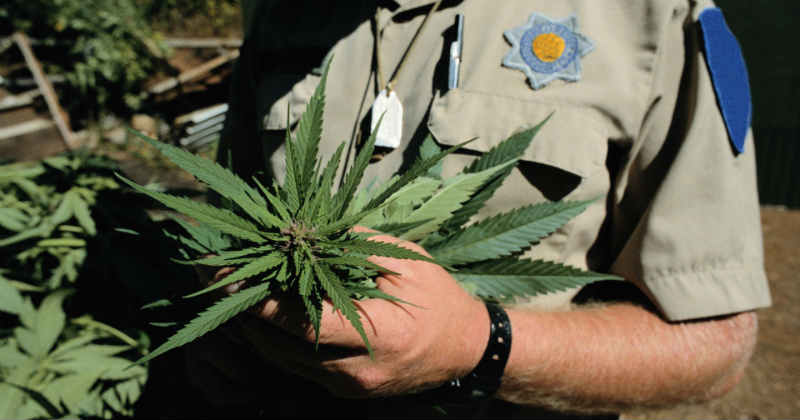
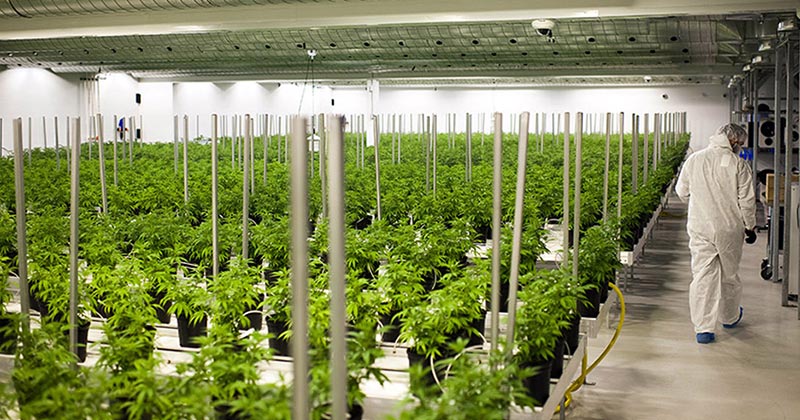
Each year, the DEA, the US anti-drug agency, establishes quotas for controlled substances to determine the quantity available for the country's medical, scientific and industrial research needs. This quantity also includes exports, as well as the establishment and maintenance of reserve stocks, but not private industry. The DEA comes to announce its quota for cannabis production in 2019: it has been increased more than fivefold, from 444 kilos in 2018 to 2,450 for next year.
Signs of the politicization of cannabis
This significant increase could mean that the DEA, which has long fought against any form of cannabis consumption, is now softening its stance in view of the growing interest in the plant on the part of the general public, as well as the political and scientific spheres. The DEA had already attempted to facilitate researchers' access to the plant by attempting to authorize the National Institute of Drug Abuse to grant licenses to new producers. Since 1968, the monopoly on cannabis production for public purposes, including research, has been held by a University of Mississippi farm. Scientists had complained that poor product quality and the difficulty of obtaining authorizations from the producer. This process had been blocked by Jeff Sessions' administration.
Last month, eight senators sent a letter to a letter to Jeff Sessions to urge him to authorize the process of accepting applications from new producers (already issued) as initiated by the DEA. In the face of political pressure, Jeff Sessions had declared that it was «healthy» to authorize increased production for scientific research purposes, but so far nothing further had been done. The DEA's increase in quota could, however, mean that the process is about to be unblocked, as the Mississippi farm is unable to support such production on its own.
The DEA's large-scale production could be used to develop a public database on scientific and medical research on the plant, on which political decisions would be partly based. Once the official publication of the annual quota for 2019 has been established, public comments are allowed for a period of 30 days, after which the agency will finalize its potentially amended proposal.
Parallel reduction in opioid quotas
At the same time, in the context of the current crisis in the United States, the DEA has proposed reduced quotas for a number of opioids: «We have lost too many lives in the opioid epidemic», laments the agency. However, this crisis comes at a time when the potential of medical cannabis is growing, as it is emerging as an effective alternative in the treatment of a large number of pathologies, and even in the treatment of pain. Legitimized by in-depth medical research, cannabis could replace traditional painkillers.
Jeff Sessions, U.S. Attorney General known for his anti-cannabis stance and his repeated opposition to any federal initiative that supports cannabis in any way, admits that the opioid crisis is «the worst drug crisis the U.S. has ever seen» and welcomed the 10% reduction in the current quota. But still does not recognize cannabis as an alternative medicine.







«Vincy Gold»: Humboldt Seed Company on the Hunt for Saint Vincent Sativas

Cronos Completes the Acquisition of CanAdelaar for 57.5 million euros

Cannabis with a "bloody" twist: Discover Sensi True Blood and Sensi Sangria, the two new strains from Sensi Seeds

Hemp: The Council of the EU Takes a Stand on New Production and Marketing Rules

Missouri's legal cannabis market accounts for 93 % of consumer spending

THC Gummies: How to Read a Certificate of Analysis Before Buying

British patients now have access to THCV-rich cannabis flowers

Spain: Medical Cannabis Is Coming to About 50 Hospitals

JIHE 2026: Japan’s Largest Trade Show Dedicated to Hemp and CBD Returns to Tokyo with More Than 100 Industry Players

New Caledonia: The Courts Clear the Way for the Return of CBD
-
 Business3 weeks ago
The legal cannabis market in New York exceeds 4 billion $ in revenue
-

 Cannabis in France4 weeks ago
Which countries legalized medical cannabis before France?
-
Cannabis in France1 week ago
France already has 3,000 cannabis retail outlets. None of them are legal.
-
Business4 weeks ago
South Korea is preparing to begin local production of medical cannabis to meet rising demand
-
Cannabis in the U.S.1 week ago
A DEA report confirms that there are no fatal cannabis overdoses
-
Cannabis in Thailand4 weeks ago
From the boom in dispensaries to a purely medical approach: Thailand is revising its cannabis policy
-
Cannabis and driving4 weeks ago
Medical Cannabis and Driving: New South Wales Ends Automatic Penalties for THC
-
Cannabis in France3 weeks ago
France’s Drug Policy Chief Defends Cannabis Prohibition... and Runs Into the Facts
















You must be logged in to post a comment Login