Another use for cannabidiol: Destroying mosquito larvae

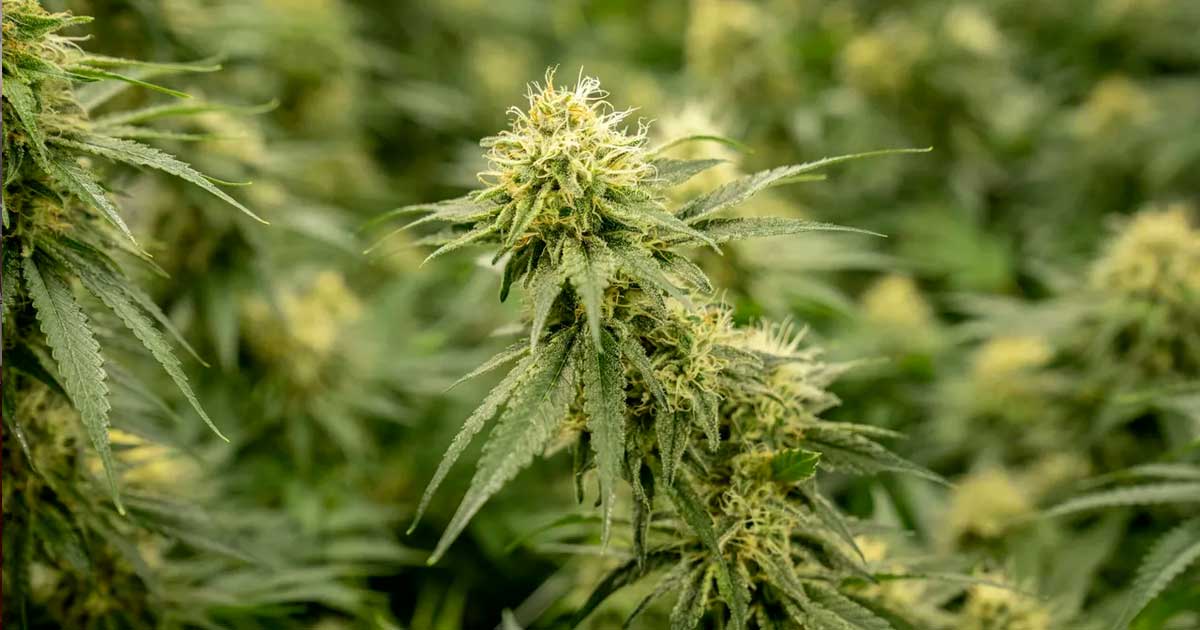
Cannabidiol (CBD) is widely known for its therapeutic benefits to human and animal health, but recent research has uncovered an unexpected new application: its potential as a mosquito larva killer.
Researchers at Ohio State University have conducted a study to determine whether hemp extracts, particularly those containing CBD, could act as a pesticide against mosquito larvae. This discovery opens up a new frontier for hemp-based products as pest control solutions.
Hemp's natural defense: A powerful insecticide
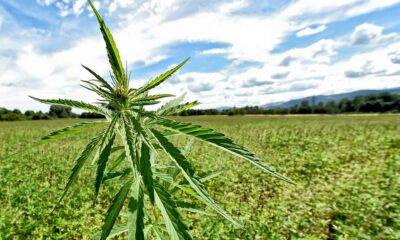
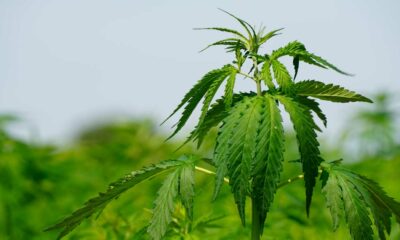
Hemp, a versatile and resistant plant, is known to contain more than 1,000 secondary metabolites, including terpenes, and phenols and phytocannabinoids. These compounds play an important role in the plant's self-defense mechanisms, repelling various pests and environmental threats.
These parasites include’Aedes aegypti, commonly known as yellow fever mosquito. This species is infamous for spreading dangerous diseases such as dengue, the chikungunya, fever Zika and the yellow fever, as well as several other viruses and parasites. With its ability to transmit 54 viruses and two species of parasites, control of this species of mosquito is crucial to public health.
The study led by Erick Martinez Rodriguez aimed to determine whether hemp leaf extracts, especially those containing CBD, could kill mosquito larvae.
«It's very important to be able to fight these parasites at an early stage, when they are most vulnerable,» said the study's lead author, Erick Martinez Rodriguez.
Study results: CBD kills mosquito larvae
The Ohio State University team carried out tests on larvae of two strains of Aedes aegypti mosquitoes, one insecticide-resistant and the other susceptible. They fed both strains hemp leaf extracts and found that the larvae died within two days.
Significantly, the cannabidiol (CBD) has been identified as the main compound responsible for larval death.
«If you compare the amount of hemp extract needed to kill 50% from the population to other conventional synthetic insecticides, it's high, but if you compare it to other natural extracts we've tested in our lab, only a relatively small amount is needed to produce high mortality values in larvae,» said Martinez Rodriguez.
While CBD eventually led to 100% mortality in the larvae, different concentrations of hemp extract caused different mortality rates in the hours leading up to this moment.
The research team emphasized the importance of their discovery, stating, «Our results regarding CBD toxicity to mosquitoes align well with previous research suggesting that CBD has toxic, repellent and/or growth inhibitory properties against other insects.».
This discovery makes the CBD, a potential natural pesticide and offers a new method of controlling mosquito populations, particularly those resistant to traditional insecticides.
The economic and environmental potential of hemp-based insecticides
Beyond the scientific implications of this research, there are also important considerations economic and environmental. Hemp growers have had to contend with a saturated market for CBD products, which has led to a significant drop in prices. The development of hemp-based insecticides could provide farmers with an additional source of income, helping them to make better use of their crops.
Like explain it the researchers, «future studies should also assess the economic feasibility of using hemp leaves as a source of insecticides».
In addition, the environmental benefits of using’natural insecticides such as hemp-based products cannot be ignored. Traditional insecticides often have harmful side-effects, such as the unintended destruction of non-target species and potential contamination of the environment. With hemp leaf extracts, it is possible to develop a more environmentally-friendly alternative that could reduce dependence on chemical insecticides.
While the study presents promising results, it also raises important questions for future research. The researchers stressed the need for further studies to evaluate impacts non-targeted and environmental the use of hemp extracts as insecticides. It will be essential to understand how these extracts may affect other species and ecosystems before commercial products can be developed.
Another key consideration is the’scalability hemp-based insecticides. Future studies will need to assess whether the production of insecticides from hemp leaves is economically viable on a large scale. If hemp leaf extracts prove to be a cost-effective solution, they could revolutionize pest control while benefiting hemp growers.
















Medical Cannabis in Germany: THC Prices Vary by a Factor of 12

France already has 3,000 cannabis retail outlets. None of them are legal.

Morocco's exports of legal cannabis have expanded to 15 countries

Aurora Cannabis Doubles Its Production Capacity in Germany

Tilray is accelerating its operations in Europe thanks to a license in Portugal

Boston will host the 10th annual State of the Cannabis Industry Conference on October 26

A DEA report confirms that there are no fatal cannabis overdoses

A British patient is challenging the NHS's refusal to reimburse medical cannabis

October 2026 CBD Highlights: 10 Strains and Hash to Discover from 5 French Producers

CBD in France: Traceability, Retail Stores, THC and Driving… What the New Bill Proposes
-
 Business2 weeks ago
The legal cannabis market in New York exceeds 4 billion $ in revenue
-

 Cannabis in France3 weeks ago
Which countries legalized medical cannabis before France?
-
Business3 weeks ago
South Korea is preparing to begin local production of medical cannabis to meet rising demand
-
Cannabis in Thailand3 weeks ago
From the boom in dispensaries to a purely medical approach: Thailand is revising its cannabis policy
-
Cannabis and driving3 weeks ago
Medical Cannabis and Driving: New South Wales Ends Automatic Penalties for THC
-
Cannabis in Argentina4 weeks ago
Argentina Opens Its Market to Hemp Flowers Containing 1% of THC
-
Autism3 weeks ago
Autism and Cannabis: Results from the First Placebo-Controlled Trial of NTI164
-
Cannabis in France2 weeks ago
France’s Drug Policy Chief Defends Cannabis Prohibition... and Runs Into the Facts

















You must be logged in to post a comment Login