Germany wants to liberalize hemp production

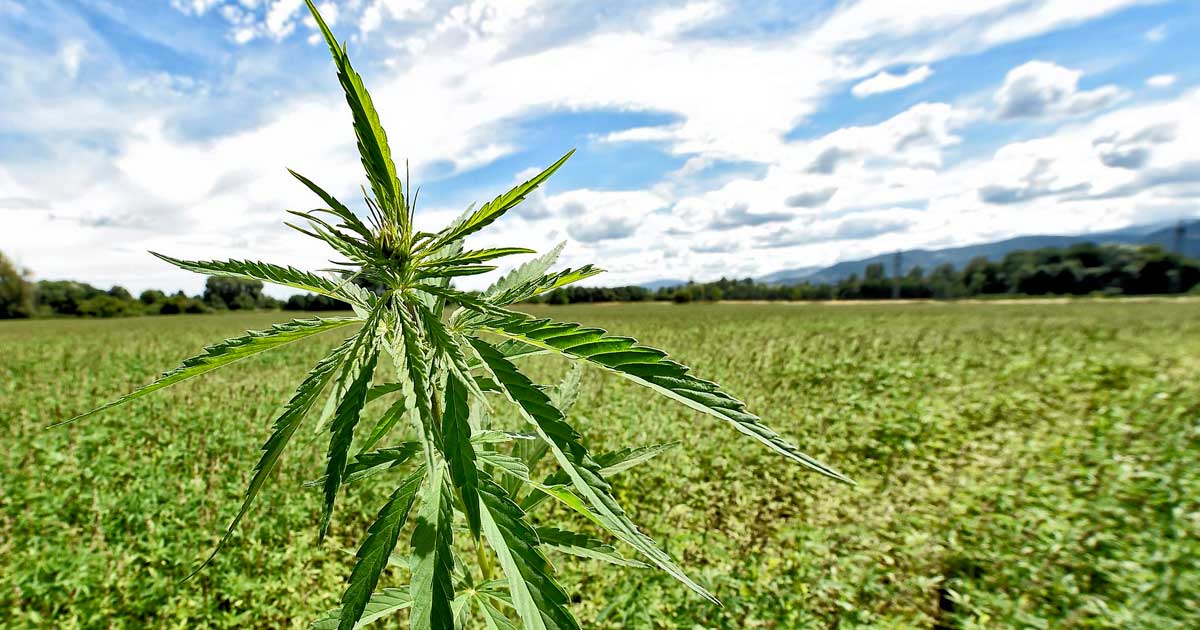
Germany is undertaking a major regulatory reform with the introduction of the law on the liberalization of industrial hemp (Nutzhanfliberalisierungsgesetz - NLG), a new bill to clarify and eliminate obstacles within the hemp industry.
The German Federal Ministry of Food and Agriculture has published the draft legislation, which is currently undergoing an interdepartmental consultation process. This process will involve feedback from various ministries and government agencies. Once the consultation is complete, the draft will be revised and must then be passed by both Houses of Parliament and signed by the President to become law.
Clear distinction between industrial hemp and intoxicants
One of the main objectives of the bill of law is to make a clear distinction between industrial hemp and intoxicants. Historically, the industry has struggled with a clause in German law that suggested the possibility of getting high by consuming large quantities of industrial hemp. This « intoxication clause »has been a major obstacle, leading to bans, restrictions and raids on CBD stores and criminal proceedings against hemp-based edibles and CBD products.
Marijn Roersch van der Hoogte, vice-president and head of the «industrial hemp» department of the German Cannabis Business Association, said: «This bill is a final step to clearly remove hemp from criminal law. It's crucial because it will open the door to greater investment», according to a statement reported by HempToday.
By eliminating this clause, the new law aims to provide a stable basis for growers, ensuring that hemp is no longer tied to criminal law. This measure should stimulate investment and align the sector German edible hemp in other international markets.
While the law seeks to promote industrial hemp, it also takes a firm stance on banning intoxicating hemp-based edibles. These products, which often contain CBD-derived synthetics, have appeared on markets around the world. The bill explicitly prohibits these compounds, reinforcing the fact that industrial hemp must not be associated with intoxicating effects. Those containing natural THC will nevertheless be legal under the legalization of cannabis in Germany but, as far as we know, cannot be marketed in the «classic» channels.
The bill also addresses the issue of CBD products, This is a highly controversial issue. It stipulates that CBD products can be legally marketed if they meet the 0.3% THC threshold and comply with novel foods regulations, even though they still don't exist.
Expanding the possibilities for growing hemp
Another notable aspect of the bill is the emphasis placed on promoting hemp cultivation. The law recognizes that, despite European Union agricultural subsidies, the area devoted to hemp cultivation in Germany has not increased as expected.
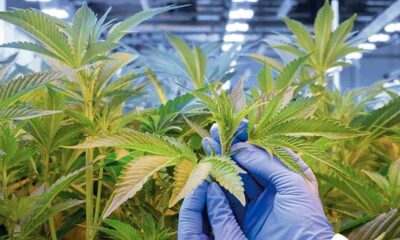
To remedy this, the law proposes to broaden cultivation possibilities and relax requirements for handling industrial hemp. It opens up hemp cultivation to a wider range of operators, notably in the forestry, horticulture, fish farming and beekeeping sectors. It also encourages cultivation under cover, highlighting its advantages in terms of controlling the content of active ingredients and extending the possibilities to rural areas.
To underline the bill's progressive stance, individuals will be allowed to grow up to three plants and possess up to 50 grams of hemp flowers at home. This provision aims to further demystify industrial hemp and integrate it into everyday life. In France, a private individuals are not allowed to grow hemp.
The bill introduces a rule allowing THC levels to be increased up to a maximum of 1% during the production of certain products, such as tea and CBD, provided the final product does not exceed the limit of 0.3% THC. However, the bill is vague on whether partially processed material exceeding the 0.3% THC threshold can be sold.
The bill also highlights the environmental benefits of growing hemp, in accordance with sustainable development strategy Germany. Visit hemp's ability to improve soils by enriching them with nitrogen from the air and providing a habitat for insects is highlighted. The law notes that industrial hemp offers various advantages in terms of sustainability, climate change mitigation and biodiversity.
















Medical Cannabis in Germany: THC Prices Vary by a Factor of 12

France already has 3,000 cannabis retail outlets. None of them are legal.

Morocco's exports of legal cannabis have expanded to 15 countries

Aurora Cannabis Doubles Its Production Capacity in Germany

Tilray is accelerating its operations in Europe thanks to a license in Portugal

Boston will host the 10th annual State of the Cannabis Industry Conference on October 26

A DEA report confirms that there are no fatal cannabis overdoses

A British patient is challenging the NHS's refusal to reimburse medical cannabis

October 2026 CBD Highlights: 10 Strains and Hash to Discover from 5 French Producers

CBD in France: Traceability, Retail Stores, THC and Driving… What the New Bill Proposes
-
 Business2 weeks ago
The legal cannabis market in New York exceeds 4 billion $ in revenue
-

 Cannabis in France3 weeks ago
Which countries legalized medical cannabis before France?
-
Business3 weeks ago
South Korea is preparing to begin local production of medical cannabis to meet rising demand
-
Cannabis in Thailand3 weeks ago
From the boom in dispensaries to a purely medical approach: Thailand is revising its cannabis policy
-
Cannabis and driving3 weeks ago
Medical Cannabis and Driving: New South Wales Ends Automatic Penalties for THC
-
Cannabis in Argentina4 weeks ago
Argentina Opens Its Market to Hemp Flowers Containing 1% of THC
-
Autism3 weeks ago
Autism and Cannabis: Results from the First Placebo-Controlled Trial of NTI164
-
Cannabis in France2 weeks ago
France’s Drug Policy Chief Defends Cannabis Prohibition... and Runs Into the Facts

















You must be logged in to post a comment Login