
Study: alcohol is 114 times more dangerous to society than cannabis

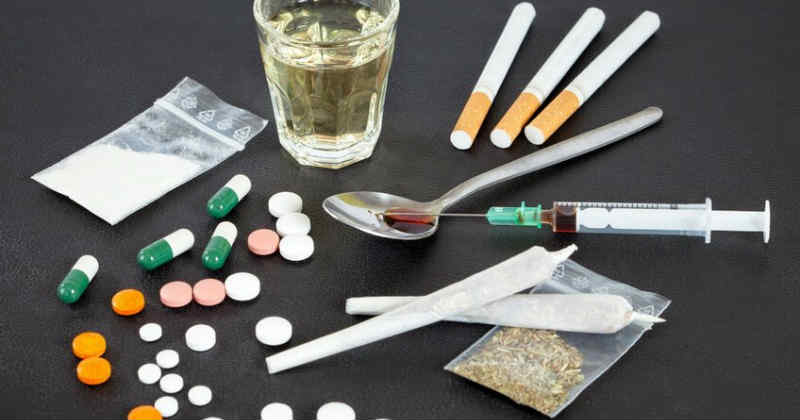
A Comparative Study on the risks associated with psychoactive substances classified alcohol as a «high-risk» substance and cannabis as «low-risk.» The originality of this study lies in its use of the marginal exposure approach, which assesses the risks associated with a substance based on its toxicity and the degree of exposure to that substance.
The substance posing the greatest risk in our societies would thus be alcohol, which is highly toxic and widely consumed. The drawback of this method is the lack of available data on illicit substance use and, consequently, on society’s exposure to these substances. Researchers use probabilistic tools to fill these gaps.
The Content of the Study
To determine the toxicity of substances, researchers use animal tests to estimate the threshold at which a dose becomes lethal or causes intolerance. Exposure, meanwhile, is estimated based on average consumption derived from individual and societal scenarios. For an individual, for example, regular use of heroin or alcohol greatly increases the risk of death, but on a societal scale, deaths caused by alcohol are considerably more numerous than deaths resulting from an overdose. Alcohol is therefore considered more risky than heroin and opioids in general due to society’s high level of exposure to this substance.
The lower the margin of exposure (MOE), the more likely substances are to be classified as hazardous. For individual scenarios, exposure to alcohol, nicotine, cocaine, and heroin is classified as «high risk» (<10), and THC is classified as «risky» with an MOE below 100. Across the entire population, however, only alcohol is considered a high-risk substance. Cigarettes are considered risky, and the remaining substances are considered low-risk with MOEs above 100. THC, on the other hand, is considered to pose a lower risk, with an MOE greater than 10,000. In conclusion, alcohol appears to be a far more significant public health problem than cannabis, a fact that is not at all reflected in current legislation on the subject worldwide.
In the United States, for example, the Schedule of Controlled Substances classifies cannabis as a high-risk substance with no therapeutic value—just like ecstasy and heroin—while it classifies cocaine and opioids less restrictively. As for alcohol and cigarettes, they do not even appear on this list despite the many deaths linked to their use. Yet numerous studies show that alcohol is more toxic to the brain and more problematic for society in terms of public safety or mortality than cannabis.
Using the marginal exposure approach, researchers found that cannabis is 114 times less dangerous than alcohol. This method is intended to serve as a guide for policy decisions. According to the study, the risks of cannabis—which does not in itself pose a threat to public health—have been greatly overestimated. In contrast, the risks associated with alcohol have been greatly underestimated. The study states that public health priorities should focus on alcohol and tobacco rather than illicit substances, which account for only a small percentage of deaths related to psychoactive substances. Finally, given the low risks associated with cannabis, the researchers recommend replacing its prohibition with a regulatory approach.






Medical Cannabis and Driving: New South Wales Ends Automatic Penalties for THC

China's Yongji Health Takes Control of Tasmanian Botanics

Autism and Cannabis: Results from the First Placebo-Controlled Trial of NTI164

Which countries legalized medical cannabis before France?

From the boom in dispensaries to a purely medical approach: Thailand is revising its cannabis policy

South Korea is preparing to begin local production of medical cannabis to meet rising demand

In the United States, cannabis use among high school students has reached an all-time low

Medical cannabis use surges by 64 % in Denmark

Canopy Growth Enters the U.K. Market with Four Canadian Strains

CBD: Full-Spectrum Extracts Under Threat in Greece
-
 Cannabis and driving2 weeks ago
Cannabis and CBD: French Drivers Can Now Lose Their License Even Without a Positive Test Result
-
Cannabis in France3 weeks ago
Cannabis Legalization: The LFI Bill Has a Major Problem—THC
-

 Cannabis in France1 day ago
Which countries legalized medical cannabis before France?
-
Cannabis in the Netherlands2 weeks ago
One year after the launch of the Dutch cannabis experiment, the first trends are emerging
-
Cannabis in France2 weeks ago
French medical cannabis remains stalled at the Ministry of Health
-
Cannabis in Argentina1 week ago
Argentina Opens Its Market to Hemp Flowers Containing 1% of THC
-
Business2 weeks ago
The United Kingdom Is Moving Closer to a Regulated CBD Market
-
Cannabis in France1 week ago
Rima Hassan: When «Drugs» Become a Political Weapon
















You must be logged in to post a comment Login