Study: vaporizing cannabis produces stronger effects

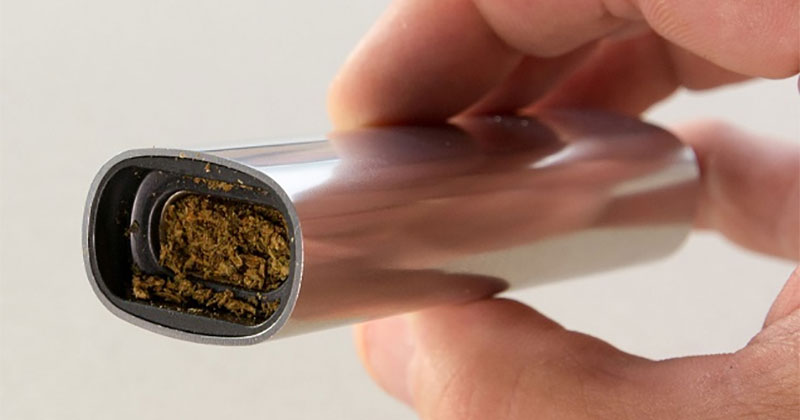
A double-blind study conducted from June 2016 to January 2017 at the Johns Hopkins University of Medicine Behavioral Pharmacology Research Center in Baltimore administered participants doses of 0mg (placebo), 10mg and 25mg of vaporized (via a Volcano from Storz and Bickel) and smoked cannabis to investigate differences in effects between the two modes of administration and as a function of dosage. It concluded that there was a significant difference in effects between vaporized and smoked cannabis.
The study assessed the effects of cannabis in subjective terms and by conducting cognitive and psychomotor performance tests. It also monitored cardiovascular vital signs and the concentration of THC in blood. The observed sample consisted of 17 healthy adults, 9 men and 8 women, who were not regular cannabis users and had not used cannabis in the 30 days prior to testing.
Study results
The results of taking cannabis differed significantly depending on whether it was smoked or vaporized. This may be due in part to the fact that combustion destroys part of the cannabinoids. At 10mg and on a scale of 1 to 100 the effects of cannabis were estimated at 46 by smoking and 69 by vaporization. However, cognitive effects remain moderate in both cases. With the 25 mg dose, the difference is reduced to 66 by smoking and 78 by vaporizing, but the reduction in cognitive and psychomotor abilities is more visible, with performance being lower compared to people given a placebo.
Taking vaporized cannabis resulted in increased subjective impairments and higher THC concentrations in the blood than with smoked cannabis (14.4 ng/ml, 10.2ng/ml). In addition, the study observed that THC concentration in the blood and cardiac activity peaked 30 minutes after dosing, and returned to normal around 3 to 4 hours after dosing. In contrast, subjective, cognitive and psychomotor changes persist for up to 6 hours after intake.
The study notes that the maximum dose in the study, 25 mg THC (0.187g weed at 13.4% THC), is significantly lower than the dose and concentration of conventional THC found in pre-rolled joints in U.S. stores. In dispensaries, it's common to find joints containing 1 gram of cannabis with a THC concentration of over 18%. Increasingly easy access to cannabis in the medical and recreational markets raises a number of questions that research has so far failed to address. The discovery of this difference between vaporized and smoked cannabis in adults who do not use cannabis regularly may inform the choice of healthcare professionals in referring their patients, or certain cannabis policies and regulations. These results may also be used to improve procedures for detecting severe cannabis intoxication.







Medical Cannabis in Germany: THC Prices Vary by a Factor of 12

France already has 3,000 cannabis retail outlets. None of them are legal.

Morocco's exports of legal cannabis have expanded to 15 countries

Aurora Cannabis Doubles Its Production Capacity in Germany

Tilray is accelerating its operations in Europe thanks to a license in Portugal

Boston will host the 10th annual State of the Cannabis Industry Conference on October 26

A DEA report confirms that there are no fatal cannabis overdoses

A British patient is challenging the NHS's refusal to reimburse medical cannabis

October 2026 CBD Highlights: 10 Strains and Hash to Discover from 5 French Producers

CBD in France: Traceability, Retail Stores, THC and Driving… What the New Bill Proposes
-
 Business2 weeks ago
The legal cannabis market in New York exceeds 4 billion $ in revenue
-

 Cannabis in France3 weeks ago
Which countries legalized medical cannabis before France?
-
Business3 weeks ago
South Korea is preparing to begin local production of medical cannabis to meet rising demand
-
Cannabis in Thailand3 weeks ago
From the boom in dispensaries to a purely medical approach: Thailand is revising its cannabis policy
-
Cannabis and driving3 weeks ago
Medical Cannabis and Driving: New South Wales Ends Automatic Penalties for THC
-
Cannabis in Argentina4 weeks ago
Argentina Opens Its Market to Hemp Flowers Containing 1% of THC
-
Autism3 weeks ago
Autism and Cannabis: Results from the First Placebo-Controlled Trial of NTI164
-
Cannabis in France2 weeks ago
France’s Drug Policy Chief Defends Cannabis Prohibition... and Runs Into the Facts

















You must be logged in to post a comment Login