Study: cannabis could help control eating habits


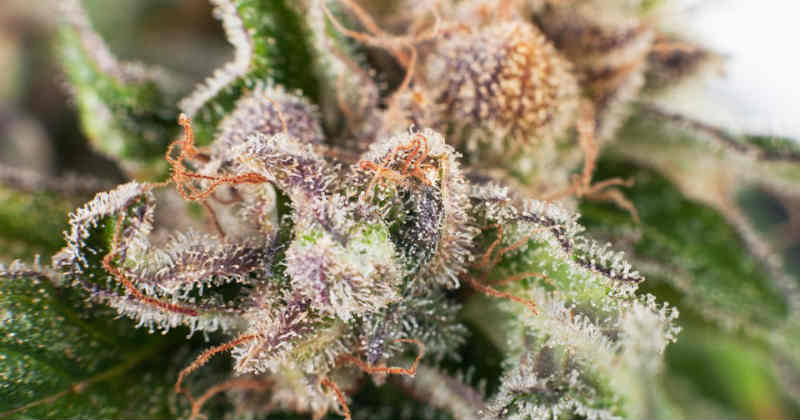
It's a well-known fact that cannabis stimulates the appetite. In this case the famous munchies that make you capable of eating a kilo of cereal in one go, or accidentally finishing the previous day's lasagne at snack time. Yet little is known about how cannabinoids act on the brain to induce the sensation of hunger. A recent study on the subject sheds light on the molecular and hormonal mechanisms triggered by cannabis on the hunger circuit.
Cannabis acts on the hunger hormone
Jon Davis, a doctoral student in the Department of Physiology and Neuroscience at Washington State involved in the study, explains: «In studying the issue of cannabis exposure in its most consumed form we found that there are genetic and physiological events in the body capable of eliciting or preventing certain eating behaviors.».
By exposing laboratory rats to cannabis vapor with precise dosage control, the researchers discovered that cannabis exposure led the rats to eat even though they had been feeding shortly before: «We found that cannabis exposure caused the rats to have smaller, more frequent meals,» explains Jon Davis. «But there is a delay before [the cannabis] takes effect».
It's this delay that has put researchers on the trail of the mechanisms triggered by cannabis. When the stomach is empty, it releases a hormone called ghrelin, which warns the brain that it's time to look for food. One of the effects of cannabis consumption is to release this hunger hormone. This was demonstrated by the fact that, when rats were administered with a drug that inhibits ghrelin release, exposure to cannabis did not alter feeding behavior. The researchers consider that their findings could be an important element in the treatment of cachexia, a form of non-psychological anorexia generally induced by illness or heavy treatment (cancer, AIDS, metabolic disorders, heart disease).
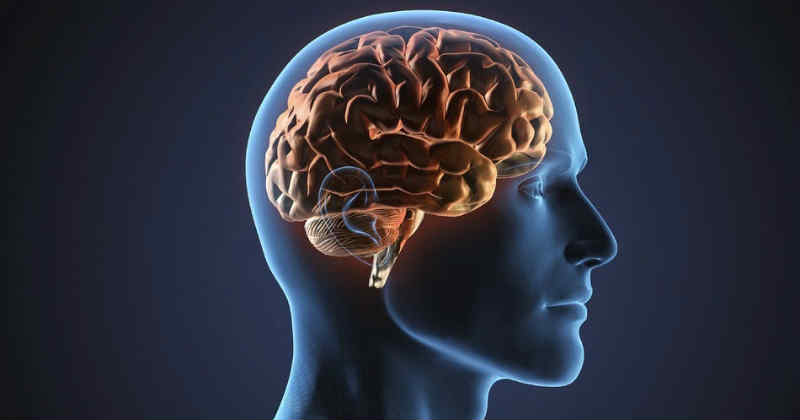
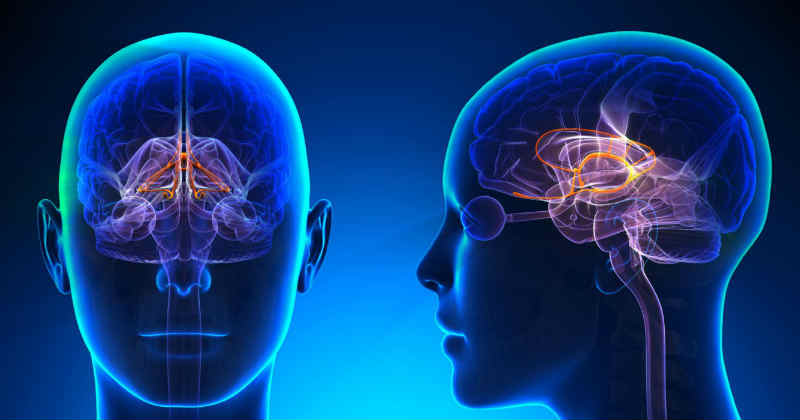
They also noted changes in the brain's response to cannabis-induced ghrelin release. Cannabis changes the genetic activity of certain cells that respond to the hormone, particularly in regions involved in hormone reception such as the hypothalamus. Another study, A study conducted by European neuroscientists at the University of Bordeaux showed that THC's action in the brain increased sensitivity to smell and taste, an aspect which may also be involved in cannabis-induced appetite stimulation. In short, much remains to be done in this field, but these initial results are convincing and suggest that cannabis could serve as a natural remedy to regulate deviant eating behaviours.









«Vincy Gold»: Humboldt Seed Company on the Hunt for Saint Vincent Sativas

Cronos Completes the Acquisition of CanAdelaar for 57.5 million euros

Cannabis with a "bloody" twist: Discover Sensi True Blood and Sensi Sangria, the two new strains from Sensi Seeds

Hemp: The Council of the EU Takes a Stand on New Production and Marketing Rules

Missouri's legal cannabis market accounts for 93 % of consumer spending

THC Gummies: How to Read a Certificate of Analysis Before Buying

British patients now have access to THCV-rich cannabis flowers

Spain: Medical Cannabis Is Coming to About 50 Hospitals

JIHE 2026: Japan’s Largest Trade Show Dedicated to Hemp and CBD Returns to Tokyo with More Than 100 Industry Players

New Caledonia: The Courts Clear the Way for the Return of CBD
-
 Business3 weeks ago
The legal cannabis market in New York exceeds 4 billion $ in revenue
-

 Cannabis in France4 weeks ago
Which countries legalized medical cannabis before France?
-
Cannabis in France1 week ago
France already has 3,000 cannabis retail outlets. None of them are legal.
-
Cannabis in the U.S.1 week ago
A DEA report confirms that there are no fatal cannabis overdoses
-
Cannabis in Thailand4 weeks ago
From the boom in dispensaries to a purely medical approach: Thailand is revising its cannabis policy
-
Cannabis and driving4 weeks ago
Medical Cannabis and Driving: New South Wales Ends Automatic Penalties for THC
-
Cannabis in France3 weeks ago
France’s Drug Policy Chief Defends Cannabis Prohibition... and Runs Into the Facts
-
Studies on cannabis2 weeks ago
Cannabis Oil and Endometriosis: A Promising Study for Pain Relief

















robinson
December 13, 2018 at 17 h 39 min
Hello
my wife suffers from total loss of appetite (she has lung problems and loss of taste and smell) the hospital is threatening to put in a nasogastric tube...
I'd like to try cannabis
I understand that it is the THC more than the CBD that can stimulate the appetite.
how do you go about getting a cannabis-based product (that you don't smoke, of course) as a medicine? rather?
will the recent authorization in France lead to possible legal access to these drugs?
how soon?
thank you