

Thailand develops its own variety of cannabis, Issara 01

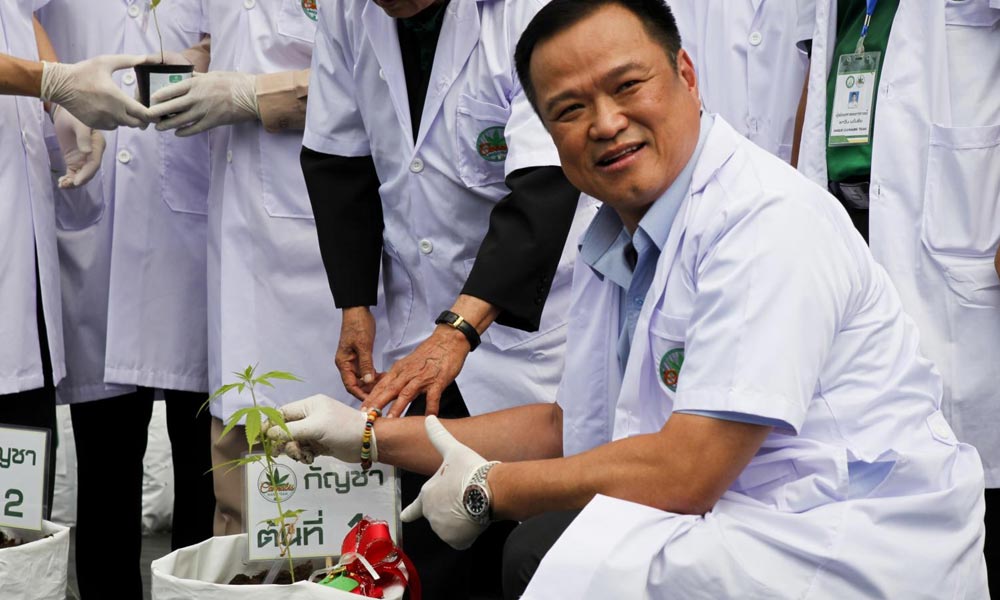
Less than a year after legalizing medical cannabis, Thailand is beginning to produce its own cannabis.
Refusing to give foreign producers the upper hand, the country decided to quickly restructure its industry. A The clinic was recently designated To distribute the first bottles of cannabis oil, all doctors can prescribe cannabis including traditional doctors, authorization from the’Self-production was proposed and will surely be passed, and hemp and CBD extracts have been removed from the list of controlled substances.
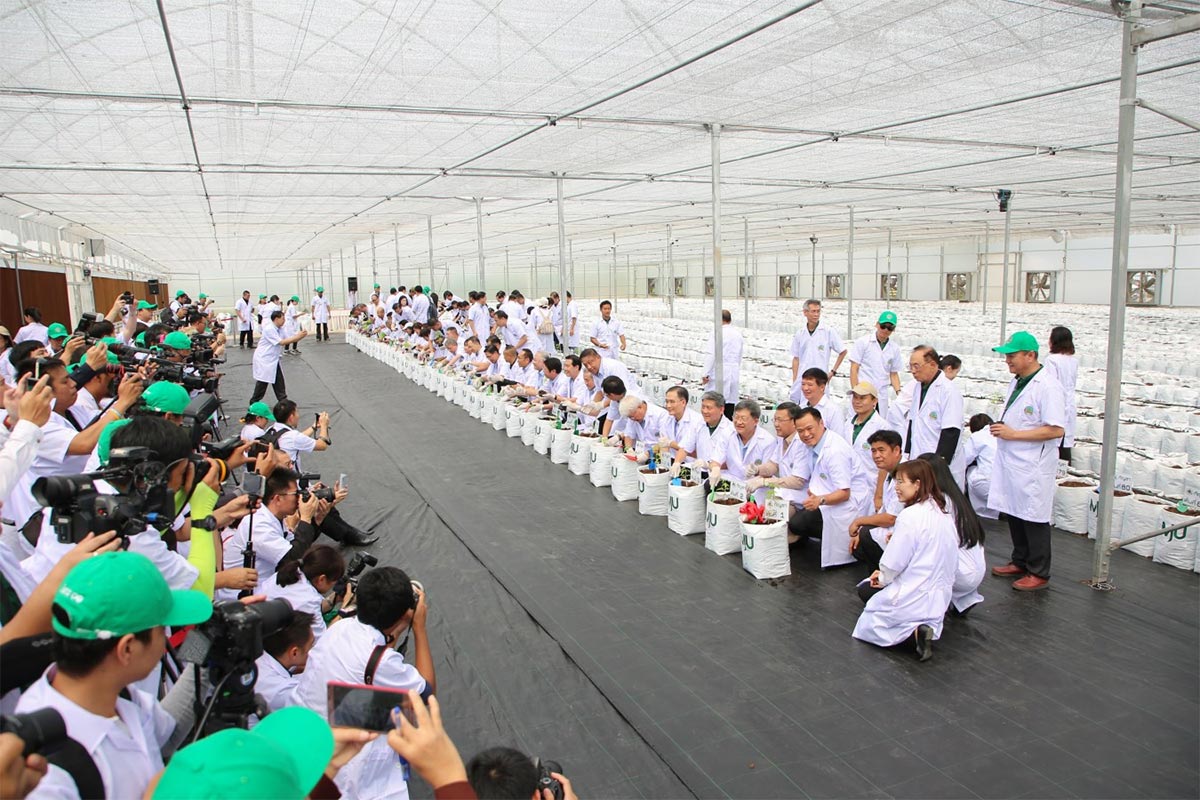
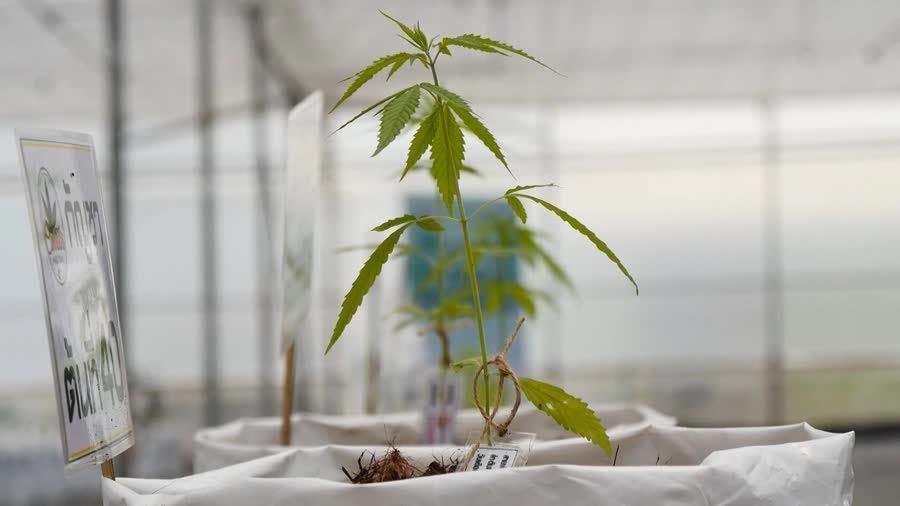
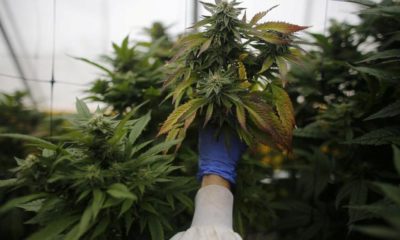
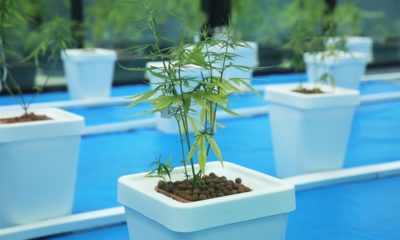
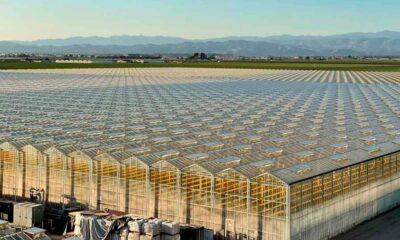
To meet domestic demand for cannabis, Thailand has just opened its first legal industrial plantation near Chiang Mai, in the north of the country. 12,000 cuttings have been planted in a 3,000-square-meter greenhouse using organic farming methods and are expected to yield 2.4 metric tons of dried flowers as early as next February.
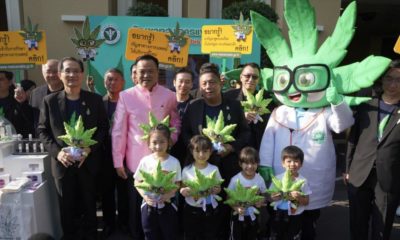
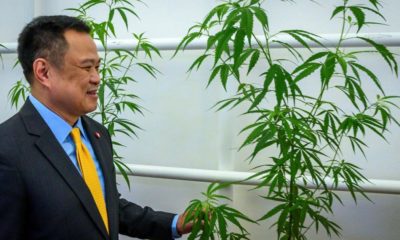
«These are historic first steps, paving the way for patients to be able to grow six cannabis plants at home. The university will be a place where ordinary people can learn how to plant and grow high-quality cannabis. Cannabis is not a political issue but a product that can benefit everyone’s health. In the near future, families will be able to grow it in their backyards just like any other plant,» he declared Anutin Charnvirakul, Minister of Public Health.
The cannabis will then be supplied to the government's Pharmaceutical Organization, which regulates the legalization of medical marijuana and will handle its distribution through its network.
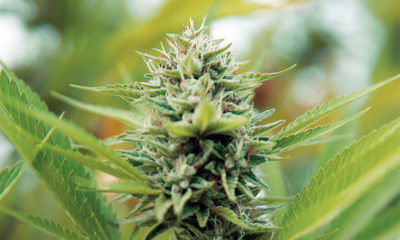
The variety being cultivated is called Issara 01, which means “Independence” in Thai. Issara 01 is derived from local phenotypes and produces a balanced CBD:THC ratio that meets the most common needs of patients. Six other strains are currently being developed to offer different CBD:THC ratios and more specific treatments, including Maejo 1, named after Chiang Mai University—the country’s oldest agricultural institution, which oversees the cultivation.
The Thai government hopes that the first harvest will be enough to meet the high demand for medical cannabis. Supply shortages have so far been the main obstacle to the widespread availability of cannabis. For now, only patients with serious illnesses (end-stage cancer, epilepsy, Parkinson’s, etc.) are receiving treatment.
Medical cannabis should, however, be available for less serious conditions such as insomnia, depression, or stress, as soon as supply meets demand.
The initial results of prescribing cannabis for medical purposes, which began a month ago, are encouraging. Cancer patients are experiencing a better quality of life and the side effects of their chemotherapy are being alleviated by taking cannabis oil, while half of the children with epilepsy have responded well to the treatment, according to the head of the Department of Medical Services, Somsak Akasin.














The «cannabis» fine raised to 500 euros under the RIPOST Act

Sacha Baron Cohen Brings Ali G Back to Life During a Surprise Appearance at Wimbledon

Botswana Paves the Way for Commercial Hemp Cultivation

The First Authorized Medical Cannabis Cultivation in the Canary Islands

Germany Ends Public Health Insurance Coverage for Medical Cannabis Flowers

Cannabis Legalization in Pennsylvania Once Again on Hold

Democratic senators are reviving a bill to legalize cannabis at the federal level in the United States

A THC:CBD oil shows promising results in reducing agitation in people with dementia

San Francisco Allows «Cannabis Cafés»

Kenya Denies Rastafarians the Right to Use Cannabis
-

 Cannabis in Europe4 weeks ago
Bosnia and Herzegovina Continues to Roll Out Medical Cannabis Following Its Legalization
-
Cannabis in France3 weeks ago
France Submits the Long-Awaited Decree on the Reimbursement of Medical Cannabis to the Council of State
-
Cannabis in the U.S.4 weeks ago
The DEA Begins Hearings on the Federal Rescheduling of Cannabis
-
Business3 weeks ago
China Invests $10 Million in Medical Cannabis in Lebanon
-
Cannabis in Thailand4 weeks ago
Thailand Threatens Cannabis Shops with Severe Penalties
-
Cannabis in Australia2 weeks ago
South Australia is working to identify more water-efficient hemp varieties
-
Exchange4 weeks ago
Glass House will be the second U.S. cannabis company to list on the New York Stock Exchange
-
Cannabis in Africa1 week ago
Kenya Denies Rastafarians the Right to Use Cannabis











You must be logged in to post a comment Login