One prisoner in four smokes cannabis daily in France


A study conducted by the French Monitoring Center for Drugs and Drug Addiction (OFDT), known as’ESSPRI (Prison Health and Substance Use Survey) reveals that cannabis is widespread in prisons, with approximately one in four inmates admitting to smoking it daily. This nationwide study, published in 2023, highlights the significant use of various psychoactive substances within correctional facilities.
Cannabis, Tobacco, and Alcohol: An OFDT Study Highlights a Hierarchy of Substance Use in Prisons.
Tobacco is the most commonly used substance, followed closely by cannabis and alcohol, which contrasts with the trends in the general population where tobacco and alcohol generally have a higher prevalence than cannabis. Above all, these findings highlight the widespread use of substances in prison.
Frequency and Prevalence of Cannabis Use
According to the survey, nearly half of the inmates (49%) reported using cannabis during their incarceration, regardless of the length of their stay. Among these individuals, a significant proportion (26%) admitted to using cannabis daily.
The study not only highlights patterns of substance use, but also reveals the methods by which these substances are smuggled into prisons. The authors describe tactics used by inmates, such as throwing items over the fence, drone deliveries, or assistance from visitors or prison staff—often in exchange for payment.
Guillaume Airagnes, director of the OFDT, emphasizes the urgent need to increase addiction treatment services in prisons in response to the study’s findings. The data suggest that prisons are not environments conducive to withdrawal, but rather that they may perpetuate or exacerbate the use of psychoactive substances among inmates, highlighting the importance of tailored intervention programs aimed at reducing substance dependence and related health risks among incarcerated individuals.
The OFDT study is intended as a call to action for policymakers and correctional authorities, who must reassess strategies for managing substance use in prisons. Beyond law enforcement measures, there is growing recognition of the need to adopt holistic approaches that prioritize substance use disorder treatment and harm reduction initiatives in correctional facilities.
Widespread cannabis use in prisons
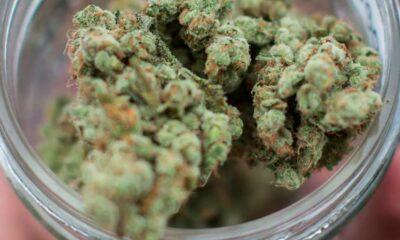
Cannabis is by far the illegal substance the most commonly used drug in France and in French prisons. According to the ESSPRI report, nearly half (49%) of inmates have smoked cannabis at least once during their incarceration, and 26% use it daily.
These figures are striking, especially when compared to those from the French population in general, where daily cannabis use is much lower.
In fact, cannabis use among inmates is nearly ten times higher than among the general male population, as the specific conditions of the prison environment tend to exacerbate the drug use.
Despite the strict ban on drugs in prison, drug use continues to thrive. Tobacco, the only substance permitted in prison, is used daily by 63% of inmates, while alcohol use, although prohibited, was reported by 16% of them. Other illicit drugs, such as cocaine, are also present: 13% of inmates admit to having used it at least once.
Safety vs. Health Care
Drug use in prisons is managed by both security measures and by health care interventions.
On the one hand, the possession and use of drugs—with the exception of tobacco—are considered disciplinary offenses and may result in sanctions. On the other hand, prison medical staff and the centers outdoors substance abuse treatment centers (CSAPA) are working to address these issues from a public health perspective.
The 1994 Act on health in prisons, reaffirmed by the 2016 Health Care Act, ensures that inmates have access to addiction treatment services. This includes screening for addiction issues during the initial medical examination upon admission to prison and developing personalized care plans when necessary.
Inmates struggling with addiction may be eligible for substitution therapies to help them manage withdrawal symptoms or reduce the harm caused by drug use. For example, sterile equipment for injecting drugs is theoretically available, although the 2016 Act enabling such services has not yet been fully implemented.
While health care professionals advocate for harm-reduction measures such as the distribution of sterile syringes and Naloxone To prevent opioid overdoses, prison security staff often view these initiatives with suspicion, fearing that they will encourage continued drug use.
The Role of Cannabis in Adjusting to Prison Life
According to the study, the widespread consumption of cannabis in prisons cannot be fully understood without taking into account the harsh realities of prison life. Overcrowding, isolation, and stress are common experiences for inmates, and many turn to cannabis to cope.
When asked why they use this drug, inmates often cite therapeutic reasons such as reducing anxiety or aiding sleep, rather than for recreational purposes.
Given the prevalence of cannabis use and its perceived therapeutic benefits, some argue that current policies—which are primarily focused on security and punishment—should perhaps shift toward a more preventive and more health-focused.
According to the OFDT study, the excessive emphasis placed on controlling «problem» drugs such as the crack and opioids has led to cannabis use being overlooked, even though it is the drug most frequently seized in prisons. As a result, cannabis is largely treated as a security issue rather than a public health problem.
























«Vincy Gold»: Humboldt Seed Company on the Hunt for Saint Vincent Sativas

Cronos Completes the Acquisition of CanAdelaar for 57.5 million euros

Cannabis with a "bloody" twist: Discover Sensi True Blood and Sensi Sangria, the two new strains from Sensi Seeds

Hemp: The Council of the EU Takes a Stand on New Production and Marketing Rules

Missouri's legal cannabis market accounts for 93 % of consumer spending

THC Gummies: How to Read a Certificate of Analysis Before Buying

British patients now have access to THCV-rich cannabis flowers

Spain: Medical Cannabis Is Coming to About 50 Hospitals

JIHE 2026: Japan’s Largest Trade Show Dedicated to Hemp and CBD Returns to Tokyo with More Than 100 Industry Players

New Caledonia: The Courts Clear the Way for the Return of CBD
-
 Business3 weeks ago
The legal cannabis market in New York exceeds 4 billion $ in revenue
-

 Cannabis in France4 weeks ago
Which countries legalized medical cannabis before France?
-
Cannabis in France1 week ago
France already has 3,000 cannabis retail outlets. None of them are legal.
-
Business4 weeks ago
South Korea is preparing to begin local production of medical cannabis to meet rising demand
-
Cannabis in the U.S.1 week ago
A DEA report confirms that there are no fatal cannabis overdoses
-
Cannabis in Thailand4 weeks ago
From the boom in dispensaries to a purely medical approach: Thailand is revising its cannabis policy
-
Cannabis and driving4 weeks ago
Medical Cannabis and Driving: New South Wales Ends Automatic Penalties for THC
-
Cannabis in France3 weeks ago
France’s Drug Policy Chief Defends Cannabis Prohibition... and Runs Into the Facts
















You must be logged in to post a comment Login