
EMCDDA publishes a guide to the regulation of medical cannabis in Europe

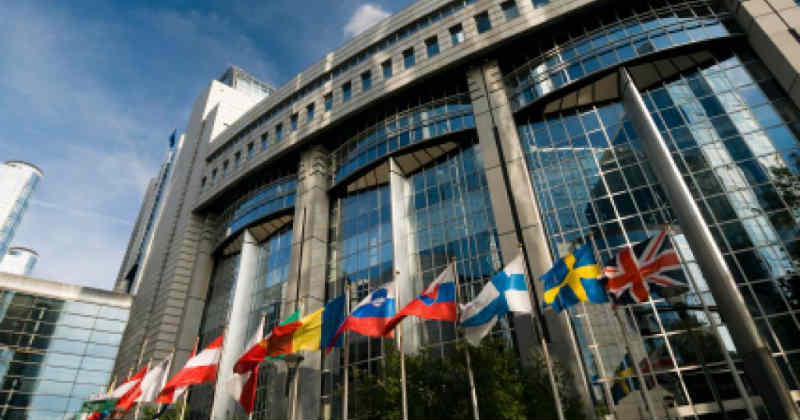
The European Monitoring Centre for Drugs and Drug Addiction (EMCDDA) has just published its first report on medical cannabis, entitled Medical use of cannabis and cannabinoids: questions and answers for policy-making.
This report is intended as a guide for policy-makers faced with the question of its regulation. It reviews the existing evidence on the therapeutic efficacy of cannabis and the different possible routes to authorization for medicinal products in Europe; then takes a comparative approach to study what has been done in member countries and abroad, and the main challenges concerning the regulation of medical cannabis.
L’The EMCDDA also publishes regular reports on levels of illegal drug consumption in Europe.
Many EU member states authorize, or are considering authorizing, the medical use of cannabis or cannabis derivatives. cannabinoids but national approaches vary. There is currently no harmonization at European level, but rather a patchwork of regulations. The Observatory's Director, Alexis Goosdeel, commented: «The report aims to take an objective look at the current scientific evidence, practice and experience in this rapidly evolving field, and to describe the complex patchwork of approaches adopted in the EU and elsewhere».
How can medical cannabis be authorized and regulated in Europe?
The cannabis is not a drug like any other, as it is also considered a narcotic. According to international treaties, It is therefore essential that its medical use be strictly supervised and regulated by national and European health authorities. Medicines regulation at European level is based on a network of 50 agencies grouped under the European Medicines Agency, which seeks to ensure a degree of consistency between the various national regulations.
In the EU, medicines can be authorized in three different ways:
- a centralized procedure under the responsibility of the European Medicines Agency (EMA), which then issues marketing authorization throughout the Union. To date, only one cannabinoid-containing drug has been authorized in this way, Acomplia, but it was withdrawn from the market in 2008.
- a decentralized procedure through which companies can apply for several authorizations in different European countries.
- a mutual recognition procedure whereby a company with a marketing authorization for a drug in one member state can be recognized in other European countries. One cannabinoid-based drug, nabiximol, has been authorized in several countries through a combination of decentralized and mutual recognition procedures.
Medicines can also be authorized at national level. At both levels, their authorization requires the presentation of quality, efficacy and safety certifications based on randomized clinical trials (with placebo) on the disease in question. To avoid all these controls, it is possible to authorize cannabis as a medicinal herb (whose medicinal virtues and non-hazardousness are guaranteed by ancient traditional use), in which case it will not have the status of a medicine and will be easily accessible in its raw form, which also seems to promote a more effective use of cannabis. entourage effect.
The regulation of medical cannabis promises to be extremely complex, particularly in view of the lack of scientific literature on the subject. Regulators will have to decide, for example, on the type of product authorized, its form and method of administration, and the diseases that justify its use. They will also have to decide how to access the drug, which is most often available on prescription. In this case, they will have to decide which healthcare professionals will be authorized to issue these prescriptions, and how these professionals will be trained. In addition, other questions arise: will the drug be reimbursed by the healthcare system, and in what proportion? How can a pharmacovigilance system be set up? How can we guarantee compliance with production standards?
Finally, we need to think about the entire production and distribution chain. Should there be a state monopoly, or will private companies be invited to participate in production? Will the drug be available in pharmacies or stores? Should self-cultivation be authorized? One question that also remains is whether these regulations will be harmonized at European level, or whether they will remain in the form of a mosaic.
At present, some European Union countries like Denmark authorize private production, while in Italy it's the’army that oversees cannabis production. In any case, the question of medical cannabis is increasingly being debated. at European level and international.






CBD is said to promote athletic recovery, without improving performance

294 cannabis clubs in Chile: a booming movement with uneven distribution

Chronic Sciatica: New York Approves First Clinical Trial of a THC-Based Medication

United States: The DEA is accelerating the integration of medical cannabis at the federal level

Florida is nearing one million patients using medical cannabis

Uruguay Revives Its Plan to Allow Tourists to Legally Access Cannabis

In Brazil, researchers are developing an innovative CBD eye drop

Autism: Medical Cannabis Is Linked to Reduced Anxiety

The $28 billion U.S. hemp market remains under threat

Jamaica Eases Small Farmers' Access to the Cannabis Market
-
 Business6 days ago
The legal cannabis market in New York exceeds 4 billion $ in revenue
-

 Cannabis in France2 weeks ago
Which countries legalized medical cannabis before France?
-
Business2 weeks ago
South Korea is preparing to begin local production of medical cannabis to meet rising demand
-
Cannabis in the Netherlands4 weeks ago
One year after the launch of the Dutch cannabis experiment, the first trends are emerging
-
Cannabis in Thailand2 weeks ago
From the boom in dispensaries to a purely medical approach: Thailand is revising its cannabis policy
-
Cannabis in France4 weeks ago
French medical cannabis remains stalled at the Ministry of Health
-
Cannabis in Argentina3 weeks ago
Argentina Opens Its Market to Hemp Flowers Containing 1% of THC
-
Cannabis and driving2 weeks ago
Medical Cannabis and Driving: New South Wales Ends Automatic Penalties for THC

















You must be logged in to post a comment Login