What's missing from Maltese cannabis regulations in 2025?

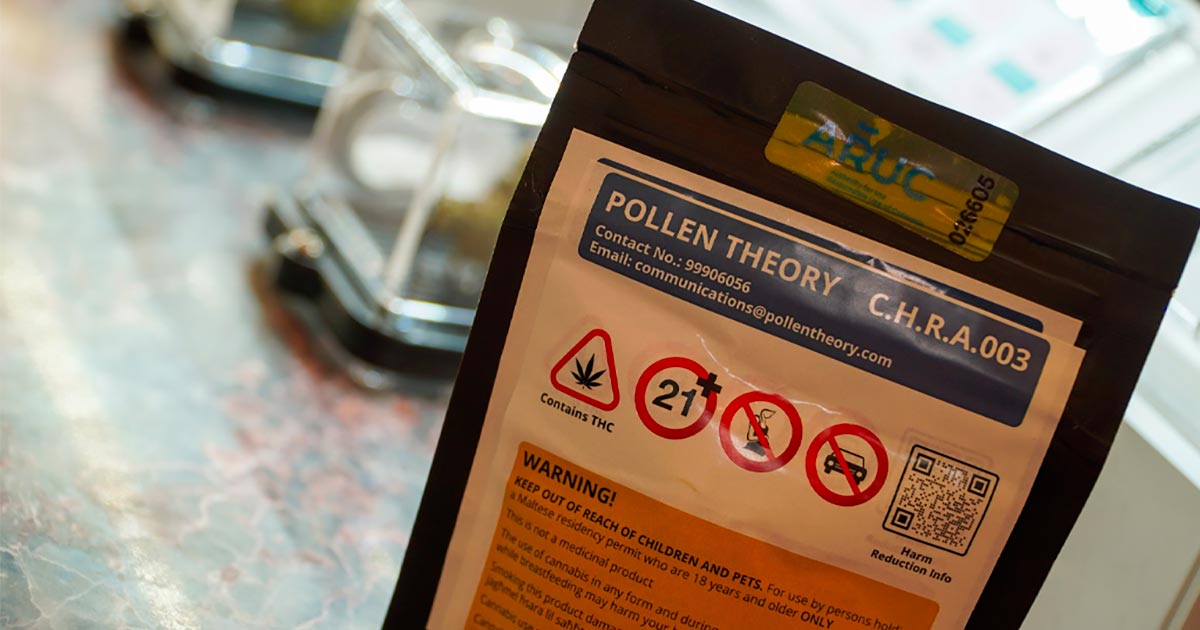
Malta was the first European country to end prohibition of cannabis in December 2021. Since then, 11 cannabis harm reduction associations (CHRA) have been created to offer residents safer access to cannabis.
Harm reduction expert Karen Mamo was interviewed by Malta Today and gives his views on Maltese regulations, their shortcomings and potential developments in 2025.
The gaps in Malta's cannabis regulations
One of the most controversial recent decisions of the Authority for the Responsible Use of Cannabis (ARUC) was the 2024 ban on the use of herb vaporizers in CHRA.
Vaporization is widely regarded as one of the least harmful ways of using cannabis. Karen Mamo explains that this decision has prevented the integration of practical harm reduction principles within Malta's cannabis associations and contradicts the original aims of cannabis reform in Malta.
Another worrying development, according to Karen Mamo, is the CURA's proposal to introduce smoking lounges in CHRAs. Smoking cannabis - especially when combined with nicotine - carries with it serious higher health risks, including increased addiction. Mamo wonders why the authority would give priority to such a risky practice instead of promoting safer methods such as vaping.
In addition, the Maltese regulatory framework has not yet addressed the issue of hashish production and edible products within CHRAs. If authorized, this practice could deal a major blow to illegal cannabis trafficking.
Ms Mamo also stresses the importance of a cautious approach to the introduction of cannabis concentrates, which contain high levels of THC. These products should be aimed at experienced consumers and be regulated.
However, Karen Mamo warns against the careless adoption of a Canadian-style model, which could lead to a commercial industry dominated by profit-oriented entrepreneurs. Such a move could, she believes, derail Malta's harm reduction objectives and undermine its commitment to human rights-based drug policy reform.
Main recommendations for 2025
In order to realign Malta's cannabis reform with its risk reduction objectives and social justice, Karen Mamo suggests several crucial steps:
1. Developing safe and inclusive spaces
Karen Mamo advocates the creation of safe spaces within ACHRs that prioritize the health, social and legal rights of cannabis users. Education campaigns should go beyond prevention and offer practical practical harm reduction tools. Engaging professionals with lived experience of cannabis use would help design inclusive policies and programs. This approach would ensure that reform remains focused on public health rather than commercial interests.
2. Introducing risk reduction tools
CHRAs should be equipped to produce hashish and edibles, Members should also have access to less risky methods of consumption, such as vaporizers. Members should also have access to less risky methods of consumption, such as vaporizers.
Social equity initiatives are another key element. Mamo stresses the importance of distributing surplus cannabis free of charge to vulnerable groups, such as those who use cannabis as an alternative to high-risk substances, or people facing socio-economic difficulties. Such measures would restore dignity and empower communities.
3. Strengthening oversight and governance
Mamo recommends independent collaborations with reputable institutions such as the Correlation European Harm Reduction Network and the Trimbos Institute. Transparency, accountability and adherence to the EU Drugs Strategy (2021-2025) should guide Malta's regulatory approach.
Market outlook to 2025
Despite these regulatory gaps, the Maltese cannabis market shows promising potential for 2025. If CHRAs are allowed to produce hash and edible products, the influence of illegal markets could be considerably reduced.
Research carried out in other countries also provides valuable insights. For example, the studies on Cannabis Social Clubs emphasize the importance of designing harm reduction policies in collaboration with consumers and regulators. This collaborative approach ensures that cannabis reform prioritizes social justice over commercial interests.





















Medical Cannabis in Germany: THC Prices Vary by a Factor of 12

France already has 3,000 cannabis retail outlets. None of them are legal.

Morocco's exports of legal cannabis have expanded to 15 countries

Aurora Cannabis Doubles Its Production Capacity in Germany

Tilray is accelerating its operations in Europe thanks to a license in Portugal

Boston will host the 10th annual State of the Cannabis Industry Conference on October 26

A DEA report confirms that there are no fatal cannabis overdoses

A British patient is challenging the NHS's refusal to reimburse medical cannabis

October 2026 CBD Highlights: 10 Strains and Hash to Discover from 5 French Producers

CBD in France: Traceability, Retail Stores, THC and Driving… What the New Bill Proposes
-
 Business2 weeks ago
The legal cannabis market in New York exceeds 4 billion $ in revenue
-

 Cannabis in France3 weeks ago
Which countries legalized medical cannabis before France?
-
Business3 weeks ago
South Korea is preparing to begin local production of medical cannabis to meet rising demand
-
Cannabis in Thailand3 weeks ago
From the boom in dispensaries to a purely medical approach: Thailand is revising its cannabis policy
-
Cannabis and driving3 weeks ago
Medical Cannabis and Driving: New South Wales Ends Automatic Penalties for THC
-
Cannabis in Argentina4 weeks ago
Argentina Opens Its Market to Hemp Flowers Containing 1% of THC
-
Autism3 weeks ago
Autism and Cannabis: Results from the First Placebo-Controlled Trial of NTI164
-
Cannabis in France2 weeks ago
France’s Drug Policy Chief Defends Cannabis Prohibition... and Runs Into the Facts

















You must be logged in to post a comment Login