Ireland's Health Research Board publishes its findings on medical cannabis

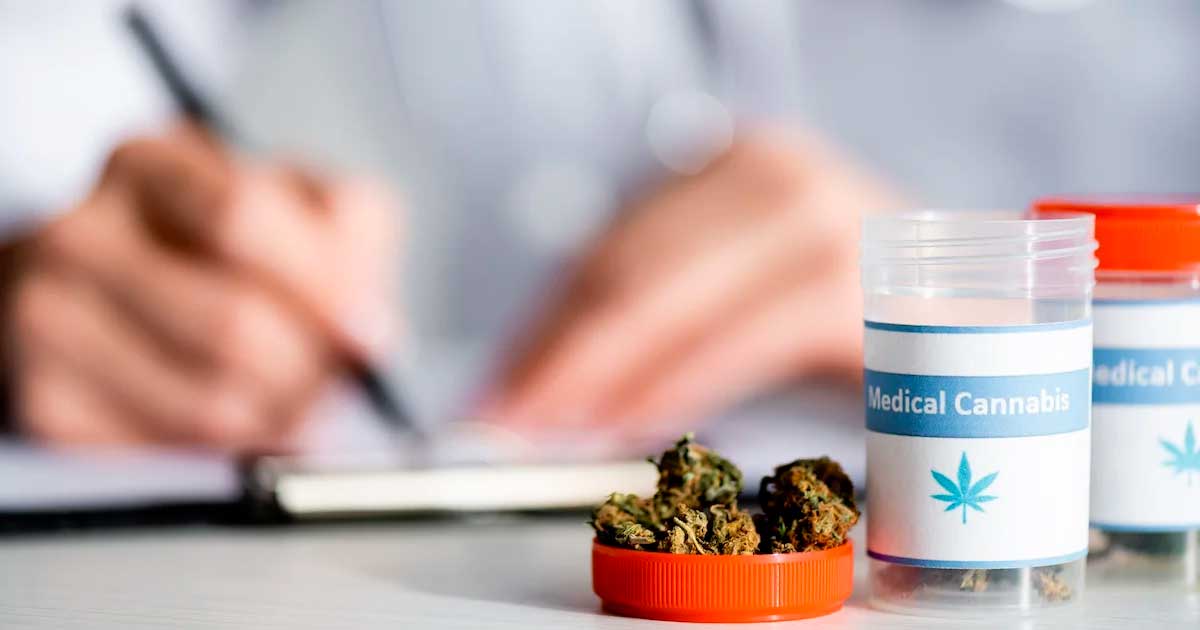
The Health Research Board The Irish (HRB) has published the results of its review of the evidence on the safety and efficacy of medical cannabis prescribed in the country.
The report, which was Published on Tuesday, January 23, details the effects of medical cannabis prescribed for certain conditions in Ireland, including nausea and vomiting in cancer patients and spasticity in patients with multiple sclerosis.
The report also presents «promising» evidence of a significant benefit for neuropathic or nerve pain, which can occur in conditions such as multiple sclerosis, diabetes, or spinal cord injuries.
For most other conditions, including anxiety and cancer-related pain, rheumatic diseases, and fibromyalgia, there is no «conclusive evidence» confirming the effectiveness of prescribed medical cannabis, according to the report.
With regard to the safety of prescribed cannabis, the study found that, although the Serious side effects of cannabis Although they do not appear to be common, certain side effects—such as dizziness, dry mouth, drowsiness, and headaches—may occur.
The likelihood of other adverse effects, such as drowsiness, nausea, and psychiatric disorders, is mixed.
The study was conducted as part of a review by the Ministry of Health of the current medical cannabis access program (Medical Cannabis Access Programme – MCAP). Currently, only patients suffering from one of the three eligible conditions—namely, chemotherapy-induced nausea and vomiting, treatment-resistant epilepsy, and spasticity associated with multiple sclerosis, are eligible to receive cannabis-based medications through this program, which was launched in 2019.
Dr. Kathryn Lambe, a research fellow at the HRB and the report’s lead author, states: «Our review indicates that there is some evidence supporting the use of prescribed medical cannabis for conditions such as nausea and vomiting caused by chemotherapy, spasticity in multiple sclerosis, and the management of neuropathic pain.»
«However, for most of the other findings, the conclusions are inconsistent at best. This study will help inform decision-making regarding future policy on the use of prescribed medical cannabis, as well as the input from patient groups, clinicians, and service planners.».
Recommendations for Future Research
Covering research conducted over the past 30 years on the use of medical cannabis prescribed exclusively to adult patients, the study evaluated data from 47 reviews across a range of medical conditions, from cancer, multiple sclerosis, and rheumatic diseases to pain, mental health, and neuropsychological conditions.
She focused on data related to the medical marijuana prescribed products containing natural or synthetic CBD, THC, or their derivatives.
The authors concluded that the body of research they reviewed was «fragmented,» with a «low degree of certainty in the evidence for most of the outcomes.».
They made a number of recommendations for future research to improve the quality of clinical data on medical cannabis. These include subgroup analyses for different types of pain, the use of modern treatments as active comparators rather than placebos, and studies with different treatment arms to define the optimal ratio of THC to CBD for the indication in question.
Shaping Future Policies
According to the report, the study’s findings will inform the Ministry of Health’s position on the relevance of the medical cannabis products for various clinical indications, as well as future responses to communications regarding the prescription of cannabis-based products.
Mairead O’Driscoll, Executive Director of the HRB, said: «It is essential that health policies be based on the most recent data, including in areas where existing research is not sufficiently developed to draw firm conclusions. By conducting this type of review over time, the HRB can continue to provide policymakers with evidence to inform their decisions as research evolves.»
A «missed opportunity»
The MCAP has already faced criticism from patients because of its «restrictive» nature, fewer than 100 people were registered in the program so far. The results of the HRB's review have cast doubt on the possibility of expanding the program.
Patient advocates expressed disappointment that the study did not include concrete evidence or address Irish patients who report benefiting from medical cannabis, many of whom have traveled abroad to access it.
«The HRB report highlights the need for a more detailed analysis of medical cannabis,» says Natalie O’Regan, a legal scholar and drug policy advocate.
«In 2024, we’re still hearing that more research is needed to justify not expanding access to cannabis. The report did not consult with current MCAP patients and missed an opportunity to gather real-world data that is right at their doorstep. Ultimately, it is the patients who will bear the consequences of limited access to a medication they may find invaluable.».
She added, «One positive aspect is that the report found evidence supporting the use of medical cannabis for neuropathic pain, and I hope this will expand in the near future.».
























JIHE 2026: Japan’s Largest Trade Show Dedicated to Hemp and CBD Returns to Tokyo with More Than 100 Industry Players
New Caledonia: The Courts Clear the Way for the Return of CBD

The Brazilian medical cannabis market continues to grow

Morocco: Three Cannabis-Based Medications Approved for the Treatment of Epilepsy

Canopy Growth Receives New EU-GMP Certification to Strengthen Its Presence in Europe

Three years after legalizing medical cannabis, Albania continues to establish regulations for it

The first plant-based medical THC spray arrives in the United Kingdom

Medical Cannabis in Germany: THC Prices Vary by a Factor of 12

France already has 3,000 cannabis retail outlets. None of them are legal.

Morocco's exports of legal cannabis have expanded to 15 countries
-
 Business2 weeks ago
The legal cannabis market in New York exceeds 4 billion $ in revenue
-

 Cannabis in France4 weeks ago
Which countries legalized medical cannabis before France?
-
Business4 weeks ago
South Korea is preparing to begin local production of medical cannabis to meet rising demand
-
Cannabis in France4 days ago
France already has 3,000 cannabis retail outlets. None of them are legal.
-
Cannabis in Thailand4 weeks ago
From the boom in dispensaries to a purely medical approach: Thailand is revising its cannabis policy
-
Cannabis in the U.S.5 days ago
A DEA report confirms that there are no fatal cannabis overdoses
-
Cannabis and driving3 weeks ago
Medical Cannabis and Driving: New South Wales Ends Automatic Penalties for THC
-
Cannabis in France3 weeks ago
France’s Drug Policy Chief Defends Cannabis Prohibition... and Runs Into the Facts















You must be logged in to post a comment Login