

Can we be Europe's leading producer of medical cannabis and not recognize its effectiveness?

Yes.
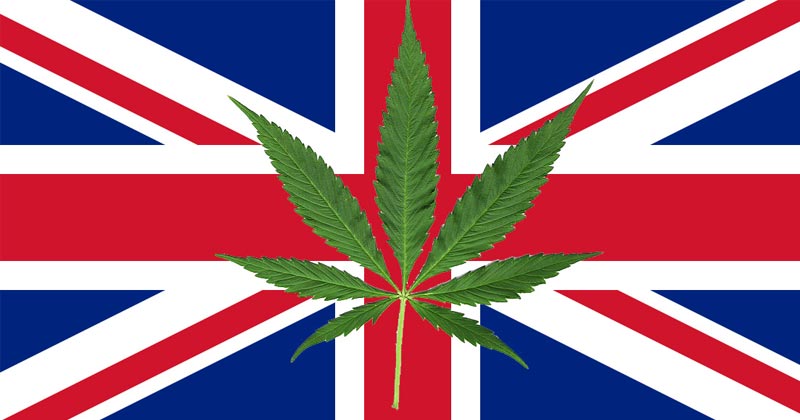
The United Kingdom is, in fact, Europe’s leading producer of medical cannabis. In 2016, it produced 95 metric tons of cannabis—more than double the amount produced in 2015, according to official figures from the United Nations Office on Drugs and Crime—which accounted for 44.9% of the global legal total for that year.
That year, the closest competitor was Canada, with 80.7 metric tons. The British press is quick to tout the United Kingdom as the world’s leading producer of legal cannabis, but 2017 saw the rise of Canadian cannabis exports all over the world.
According to our calculations, the United Kingdom is now the world’s second-largest producer of medical cannabis, until it is dethroned by Israel.
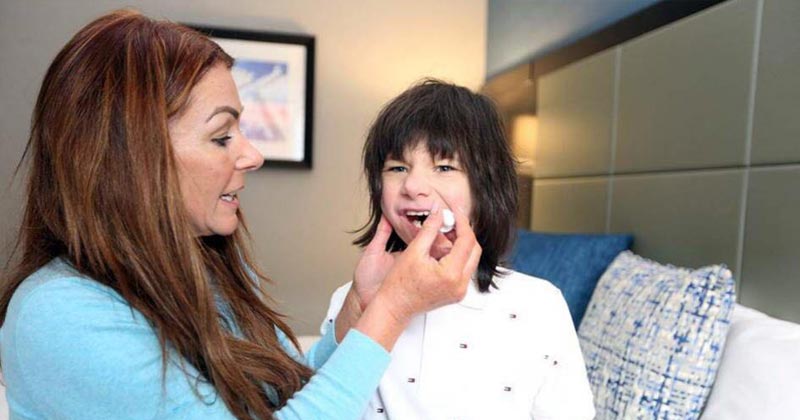
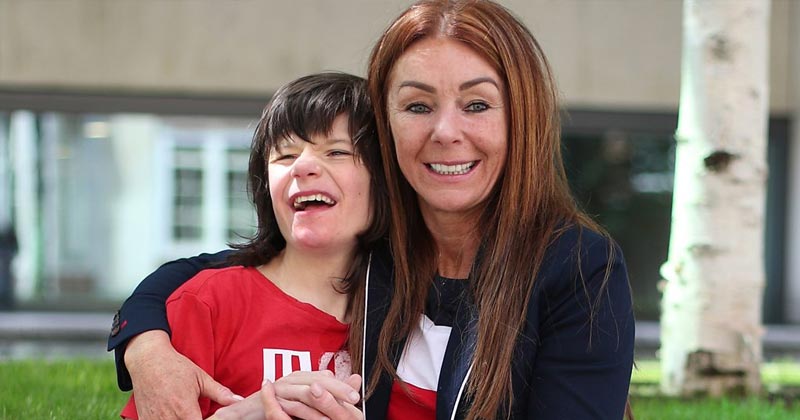
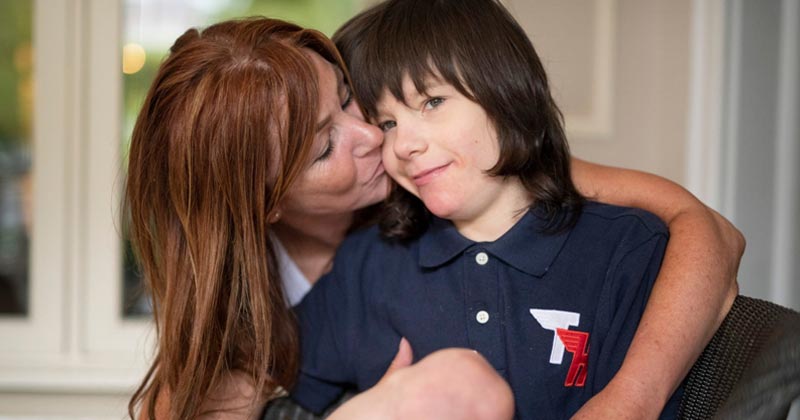
And yet, the United Kingdom does not recognize the effectiveness of medical cannabis. The British government regularly states that cannabis has «no therapeutic value,» as was recently the case with Alfie Dingley, a 6-year-old with epilepsy, who was seeking a waiver to use cannabis in the UK after trying it and seeing his condition improve in the Netherlands.
Most of the legal cannabis production in the United Kingdom is used to produce Sativex by GW Pharmaceuticals. This oral spray, which contains cannabidiol (CBD) and THC, is prescribed primarily to treat spasticity caused by multiple sclerosis, but is covered by the local health insurance system, the NHS, only in Wales.
«It is scandalous and untenable that the British government maintains that cannabis has no medical use, while at the same time authorizing the world's largest production of medical cannabis for domestic use and export.» said Steve Rolles, a member of Transform, a group advocating for drug law reform.
«British patients are either denied access and suffer unnecessarily, or are forced to buy cannabis on the black market. Countries with actual access to medical cannabis do not have this problem, because standardized cannabis products are available through doctors and pharmacists.»
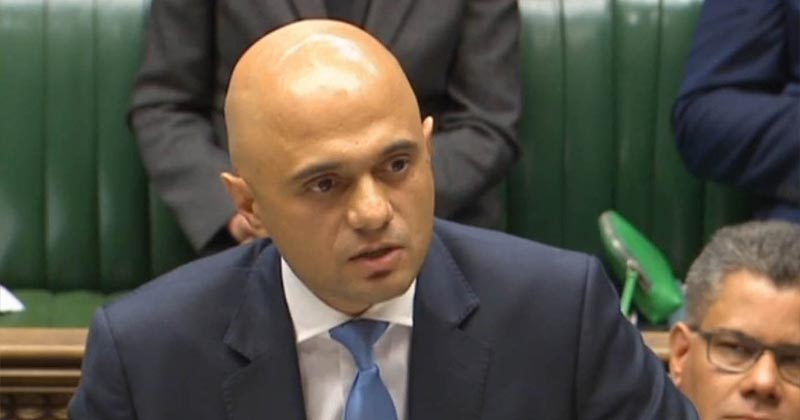
Contradictions are therefore possible, and it doesn't stop there. The British minister responsible for drug policy at the center of major conflicts of interest. While she opposes any idea of decriminalization, her husband works for British Sugar, which grows cannabis for… GW Pharmaceuticals, and thus benefits directly from the prohibition of cannabis in the United Kingdom.







The «cannabis» fine raised to 500 euros under the RIPOST Act

Sacha Baron Cohen Brings Ali G Back to Life During a Surprise Appearance at Wimbledon

Botswana Paves the Way for Commercial Hemp Cultivation

The First Authorized Medical Cannabis Cultivation in the Canary Islands

Germany Ends Public Health Insurance Coverage for Medical Cannabis Flowers

Cannabis Legalization in Pennsylvania Once Again on Hold

Democratic senators are reviving a bill to legalize cannabis at the federal level in the United States

A THC:CBD oil shows promising results in reducing agitation in people with dementia

San Francisco Allows «Cannabis Cafés»

Kenya Denies Rastafarians the Right to Use Cannabis
-

 Cannabis in Europe4 weeks ago
Bosnia and Herzegovina Continues to Roll Out Medical Cannabis Following Its Legalization
-
Cannabis in France3 weeks ago
France Submits the Long-Awaited Decree on the Reimbursement of Medical Cannabis to the Council of State
-
Cannabis in the U.S.4 weeks ago
The DEA Begins Hearings on the Federal Rescheduling of Cannabis
-
Business3 weeks ago
China Invests $10 Million in Medical Cannabis in Lebanon
-
Cannabis in Thailand4 weeks ago
Thailand Threatens Cannabis Shops with Severe Penalties
-
Cannabis in Australia2 weeks ago
South Australia is working to identify more water-efficient hemp varieties
-
Exchange4 weeks ago
Glass House will be the second U.S. cannabis company to list on the New York Stock Exchange
-
Cannabis in Africa1 week ago
Kenya Denies Rastafarians the Right to Use Cannabis














You must be logged in to post a comment Login