
Study: CBD as a «promising» therapy for cocaine dependence

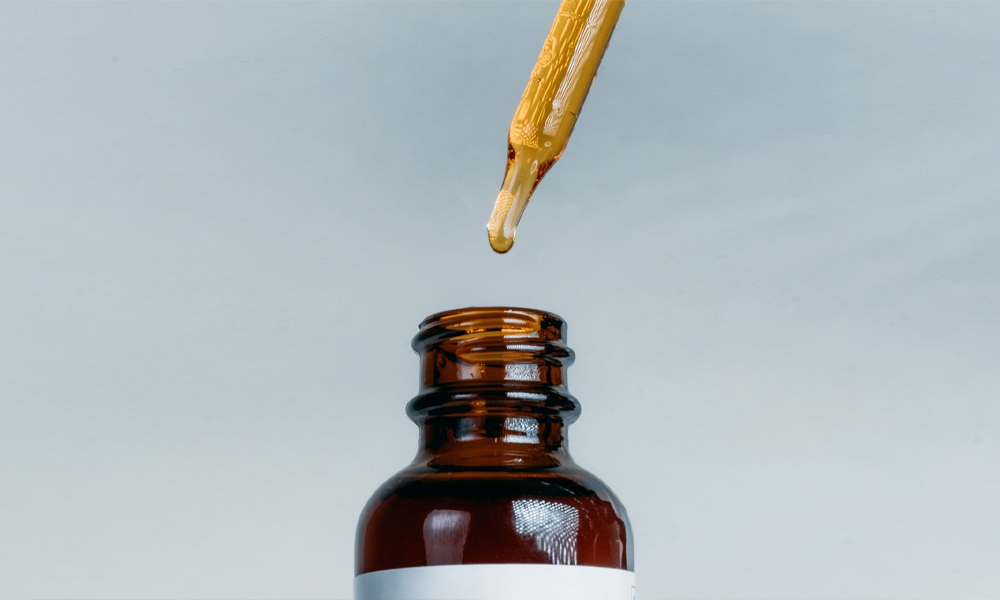
A new meta-analysis of 14 studies conducted over the past 5 years found that the CBD showed promise as a treatment for cocaine addiction.
«CBD helps reduce cocaine self-administration. In addition, it interferes with cocaine-induced brain reward stimulation and dopamine release,» states the study published this month in the journal Pharmacology, Biochemistry, and Behavior.
Although not all of the studies reviewed were consistent with one another, and the researchers emphasized the need for human trials, they stated that animal research has generally indicated that CBD can reduce cocaine self-administration and many symptoms of addiction.
For example, a 2018 study found that a daily dose of 20 mg/kg of CBD resulted in «a significant difference in [cocaine] on the 10th day of the study and lower consumption throughout the experiment compared to the control group» of mice.
In 2019, researchers also reported that «systemic administration of CBD (20 mg/kg)» 30 minutes before the test «significantly reduced the self-administration of low doses of cocaine.» However, this effect was not observed with lower concentrations of CBD.
Another study that was analyzed showed that CBD doses of 10 and 20 mg/kg «significantly increased the self-stimulation threshold, suggesting a reduction in the reward associated with brain stimulation,» which is a major component of addiction.
Subjects with a history of cocaine use who were treated with the cannabis compound also exhibited lower levels of anxiety, according to another study. This was «evidenced by the increased time spent in the open arms of the elevated maze.».
«The evidence described in this systematic review indicates that CBD is a promising adjunctive treatment for cocaine dependence due to its effects on cocaine use, brain reward, anxiety, related contextual memories, neuroadaptations, and liver protection, as well as its anticonvulsant effects and safety,» the study authors concluded.
«Clinical administration of CBD leads to a reduction in cocaine self-administration and, consequently, in the amount of the drug consumed. Furthermore, the reward associated with cocaine is diminished by CBD treatment.»
«Among the other findings of this literature review, cocaine-induced neuroadaptations were attenuated; cocaine-associated contextual memory was reduced; anxiety related to cocaine use was reduced; and hepatotoxicity and seizures associated with cocaine use were reduced when animals were treated with CBD. Given its low toxicity, the absence of serious side effects, and the reduction in cocaine-related behaviors, CBD is a promising adjunct in treatment regimens for individuals with cocaine use disorders,» the meta-analysis concludes.

















French medical cannabis remains stalled at the Ministry of Health

Things are heating up between Sherbinski and Doja

Cookies Ordered to Pay $61.5 Million in a Dispute with Its Investors

Frenchfarm is launching its B1G1 clearance sale + free gift

Czech Republic: CBD shops selling synthetic cannabinoids are in the police's crosshairs

Cannabis and CBD: French Drivers Can Now Lose Their License Even Without a Positive Test Result

Could CBN protect the aging brain? Scientists uncover a promising new mechanism

In Haute-Savoie, a town is trying to combat drug trafficking… with posters

3 French Companies Betting on Cannabis… Abroad

Nature Lab: The Alsatian brand that’s reinventing the CBD store, from Saint-Louis to Mulhouse and throughout France
-
 Cannabis and driving4 days ago
Cannabis and CBD: French Drivers Can Now Lose Their License Even Without a Positive Test Result
-
Cannabis in France1 week ago
Cannabis Legalization: The LFI Bill Has a Major Problem—THC
-
Cannabis in Europe1 week ago
Andorra Paves the Way for Medical Cannabis Cultivation
-
Cannabis in France2 weeks ago
Drought: Could Hemp Become the New Hope for French Farmers?
-
Cannabis in the U.S.2 weeks ago
United States: Congress Rejects Ban on THC Derived from Hemp
-
Cannabinoids1 week ago
What if CBD enhanced the effects of THC? A comprehensive analysis challenges a common misconception
-
Cannabis in Quebec2 weeks ago
Cannabis in Quebec: The 21-Year-Old Age Requirement in the Spotlight
-
Cannabis in the U.S.1 week ago
Medical cannabis: A U.S. study finds a 6.9% reduction in absences from work













You must be logged in to post a comment Login