
Delta-11-THC: definition, effects and difference from 11-OH-THC
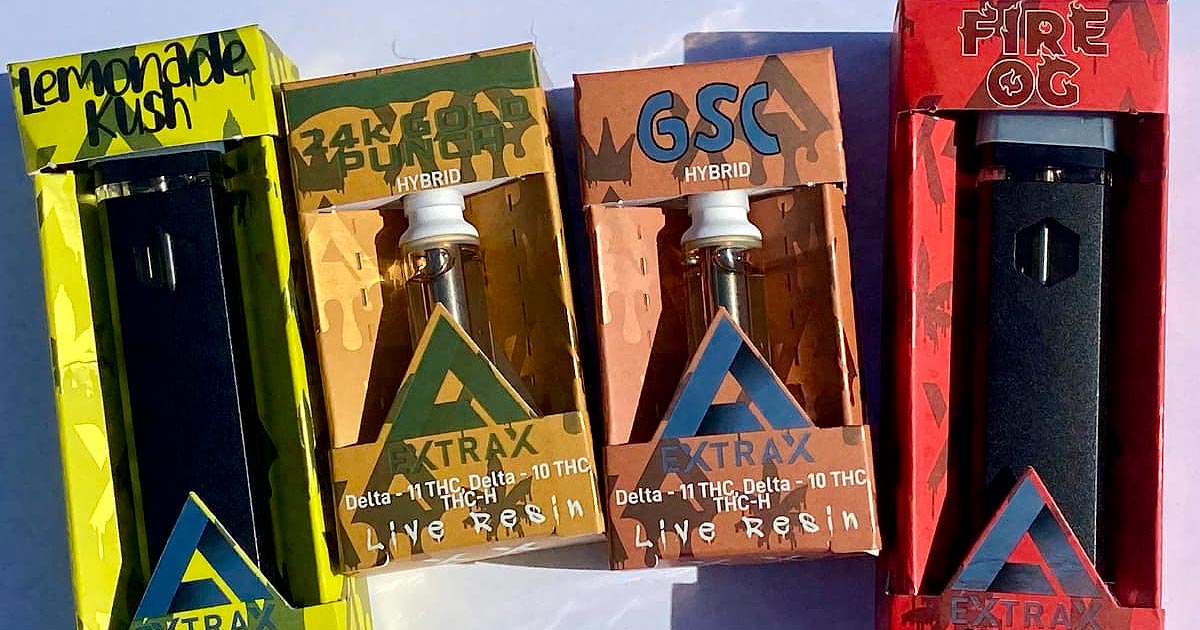
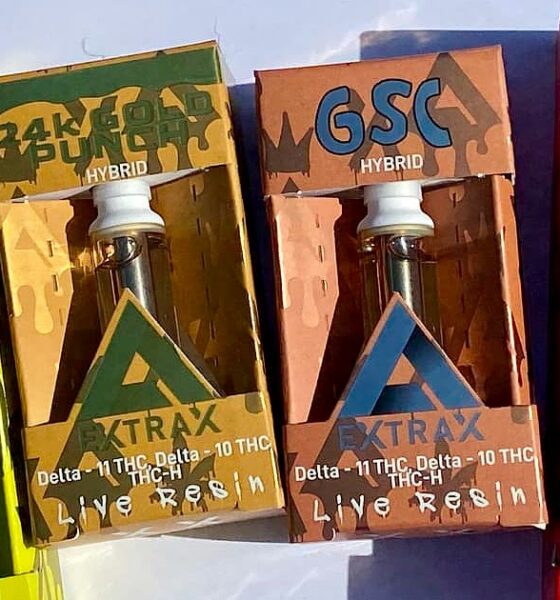
Delta-11-THC (delta-11-tetrahydrocannabinol) is one of the rare, naturally occurring forms of THC present in minute traces in the cannabis plant. Although its existence has been documented since the 1970s, it remains one of the least studied forms of this cannabinoid - and one of the most confused with another molecule, the 11-hydroxy-THC.
Delta-11-THC and 11-OH-THC: beware of confusion
This is the first point to be clarified, as it is the source of almost all confusion on this subject. Delta-11-THC and 11-hydroxy-THC are two totally different molecules.
The delta-11-THC is a phytocannabinoid - a molecule produced naturally by the cannabis plant, present in minute concentrations in many varieties.
The 11-hydroxy-THC (11-OH-THC) is a metabolite - a molecule produced by the human liver when ingested delta-9-THC is transformed. It is responsible for the intense and prolonged effects of edibles and space cakes. It is not produced by the plant, only by human metabolism.
If you are looking for information on why space cakes are stronger than a joint, you're interested in 11-OH-THC, not delta-11. The article dedicated to 11-hydroxy-THC will answer your questions.
What is delta-11-THC?
Delta-11-tetrahydrocannabinol is a natural variant of THC whose chemical structure differs from delta-9 in the position of a double bond in the molecule's carbon chain. Where delta-9 has its double bond on the 9th carbon, delta-11 has it on the 11th.
The first academic mention of delta-11-THC dates back to’an article from 1974 on cannabis consumption, and its metabolism has been studied in 1990. No significant research has been published since. Its presence in cannabis is natural but anecdotal - concentrations measured in varietal analyses are generally below 0.1%.
Why are there different forms of THC?
THC's chemical structure - a chain of carbon atoms with a mobile double bond - naturally lends itself to variations. Nature produces these variations automatically during the biosynthesis of cannabinoids in trichomes of the plant. This results in small quantities of delta-8, delta-10, delta-11 and other isomers in most varieties, alongside the dominant delta-9.
American hemp growers have exploited this chemical property to convert hemp in the laboratory. CBD or other cannabinoids into alternative forms of THC, thus circumventing federal regulations specifically targeting delta-9.
Comparison of THC forms
| Delta-8 | Delta-9 | Delta-10 | Delta-11 | |
|---|---|---|---|---|
| Origin | Natural (traces) + semi-synthetic | Natural (main) | Natural (traces) + semi-synthetic | Natural (minute traces) |
| Psychoactivity | Moderate (~50-70% of delta-9) | Maximum (reference) | Mild to moderate | Unknown (insufficient data) |
| Scientific research | Limited | Extensive | Very limited | Quasi-inexistent |
| Commercial availability | Large (USA) | Large (legal markets) | Marginal | Anecdotal |
| Legality France | Forbidden | Forbidden | Forbidden | Forbidden |
How potent is delta-11-THC?
Anecdotal reports from American users suggest that delta-11 may be more potent than delta-9, but these accounts remain unverifiable and potentially confused with the effect of 11-OH-THC when ingested. The only scientific data available on the potency of delta-11 date back to animal studies conducted over thirty years ago. In the current state of knowledge, it is impossible to seriously characterize the effects of delta-11 on human beings.
Is delta-11-THC legal?
In France, the situation is clear: cannabis and all its psychoactive derivatives are classified as narcotics. Delta-11-THC, as an isomer of THC, falls under these regulations, as does delta-8 and delta-10. No alternative form of THC is legal in France.
In the United States, the situation is more nuanced: as delta-11 is not explicitly named in the federal Controlled Substances Act, it finds itself in a legal grey zone similar to delta-8. Some states explicitly prohibit it (Alaska, Oregon, Vermont...), others do not.
Is there such a thing as delta-12-THC?
Nothing in the scientific literature points to the existence of a natural delta-12-THC. With delta-8 as the known lower limit and delta-11 as the upper limit, it would seem that nature produces only four natural forms of tetrahydrocannabinol: delta-8, delta-9, delta-10 and delta-11.












CBD is said to promote athletic recovery, without improving performance

294 cannabis clubs in Chile: a booming movement with uneven distribution

Chronic Sciatica: New York Approves First Clinical Trial of a THC-Based Medication

United States: The DEA is accelerating the integration of medical cannabis at the federal level

Florida is nearing one million patients using medical cannabis

Uruguay Revives Its Plan to Allow Tourists to Legally Access Cannabis

In Brazil, researchers are developing an innovative CBD eye drop

Autism: Medical Cannabis Is Linked to Reduced Anxiety

The $28 billion U.S. hemp market remains under threat

