
Cannabis: benefits and drawbacks for our digestive system

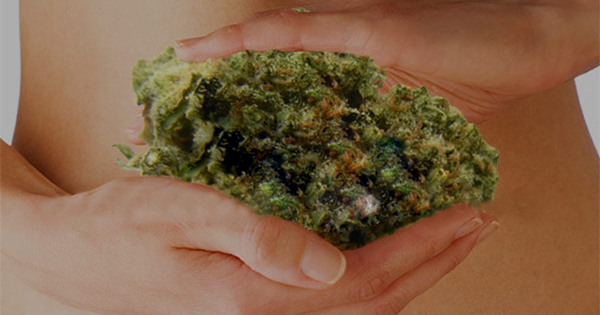
The endocannabinoid system (or endogenous cannabinoid) has been shown to play a fundamental role in regulating digestive processes such as appetite, salivation, hunger, and satiety. There is a high concentration of cannabinoid receptors throughout the digestive system, as well as in brain regions directly linked to the brain-gut axis. The Cannabis therefore causes a variety of effects on the intestines.
Read more: 5 little-known health benefits of cannabis
Benefits the effects of cannabis on the digestive system
Several studies have shown that cannabis provides benefits for people suffering from Crohn's disease, IBD, IBS, and cancer-related anorexia and cachexia (loss of appetite and muscle wasting). Scientists even suggest that the first three conditions may result from a condition called clinical endocannabinoid deficiency, which arises from developmental issues in utero or during early childhood. People with this condition do not produce enough cannabinoids or cannabinoid receptors.
In general, cannabinoids are thought to reduce inflammation in the digestive tract, slow down intestinal motility (the rate at which material moves through the intestine) and a decrease in fluid secretion caused by inflammation, which alleviates nausea and prevents vomiting and diarrhea.
Appetite stimulation
Our hunger is triggered by ghrelin, which is released when the stomach becomes empty. This hormone stimulates a nerve located in the digestive tract, which sends a signal through the brain-gut axis to the hypothalamus, a region of the brain that triggers the feeling of hunger.
The THC, by activating ghrelin receptors, sends a signal that also travels through the brain-gut axis and reaches the regions of the brain responsible for generating the feeling of hunger (the hypothalamus in particular), even if the stomach is not necessarily empty.
This can be particularly helpful for people who are ill or undergoing treatments that suppress their appetite. For example: chemotherapy.
Rare cases of loss of appetite
Although cannabis use is normally combined with an increase in appetite, in some cases, it can have the opposite effect and cause nausea and loss of appetite. Other symptoms reported by individuals experiencing these discomforts include abdominal pain, nausea, and occasional vomiting. These symptoms are reported anecdotally on internet forums, but it does not appear that they have been the subject of specific research.
Generally, this phenomenon seems to affect long-term users who have been heavy cannabis users for many years.











Argentina Opens Its Market to Hemp Flowers Containing 1% of THC

The French Socialist Party still doesn't know how to approach the legalization of cannabis

Science in the City International: Paris at the Heart of Transatlantic Scientific and Medical Dialogue

Christine Fréchette is alienating Quebec’s cannabis industry

Rima Hassan: When «Drugs» Become a Political Weapon

From Marathons to Ultratrails: How Extreme Running Affects the Endocannabinoid System

Four days of THC may make breast cancer less aggressive, according to a new study

Medical Cannabis: 14 Organizations Finally Call for Enforcement of the Law

One year after the launch of the Dutch cannabis experiment, the first trends are emerging

High Ground: The Crash of a Plane Full of Marijuana That Made History in Yosemite
-
 Cannabis and driving1 week ago
Cannabis and CBD: French Drivers Can Now Lose Their License Even Without a Positive Test Result
-
Cannabis in France2 weeks ago
Cannabis Legalization: The LFI Bill Has a Major Problem—THC
-

 Cannabis in the Netherlands5 days ago
One year after the launch of the Dutch cannabis experiment, the first trends are emerging
-
Cannabis in France6 days ago
French medical cannabis remains stalled at the Ministry of Health
-
Business5 days ago
The United Kingdom Is Moving Closer to a Regulated CBD Market
-
Cannabis in Europe2 weeks ago
Andorra Paves the Way for Medical Cannabis Cultivation
-
Cannabis in France2 weeks ago
Drought: Could Hemp Become the New Hope for French Farmers?
-
Cannabis in Argentina2 days ago
Argentina Opens Its Market to Hemp Flowers Containing 1% of THC













You must be logged in to post a comment Login