What happens when you mix cannabis and tobacco?

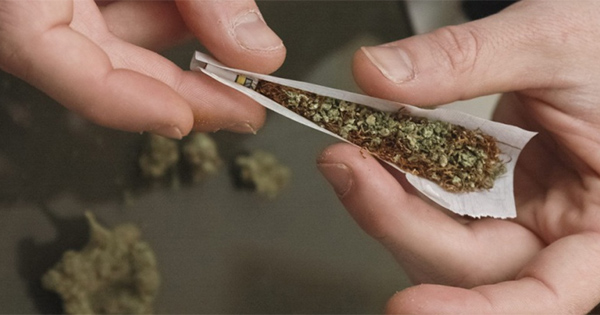
The favorite method of consumption for the French remains the joint, mixing tobacco and cannabis. We're not the only country to favor this mixture, which has always existed, sometimes in the spiritual rituals of certain territories. Cannabis is either mixed with tobacco, or one is placed on top of the other.
Tobacco and cannabis both act on the nervous system, affecting both mind and body, with some effects boosting mood and energy, and others more relaxing. In the world of cannabis users, many everyday users enjoy the mixing tobacco and cannabis, Sometimes one after the other, and very often both together, in what is known as a joint, spliff, buzz, etc. By the way, the use of two or more substances in conjunction with each other for their mental and physical effects is then called poly-drug addiction.
Smokers who prefer joints appreciate the synergistic effect of the two substances, since mixing the two produces a different effect than each substance on its own. Some smokers report that smoking a cigarette after a pure joint increases their «high» tenfold, while others smoke a cigarette to calm the psychoactive or even anxiety-inducing effects of THC. Why these different reactions, over and above individual tolerance?
Relationships between cannabis, tobacco and the hippocampus
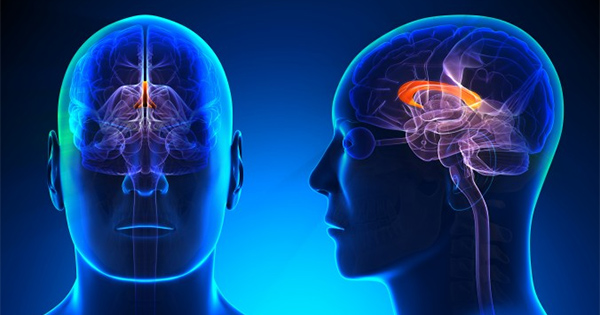
Tobacco and cannabis both affect the hippocampus. The hippocampus is a part of the brain involved in memory processes, the reward system and addiction. It is central to the way tobacco and cannabis affect users, because of its antagonistic (substance-activating) receptors, such as the endocannabinoid, nicotinic and opioid receptors.
While the effects vary when several substances are mixed, there is a big difference in the side effects of tobacco and cannabis. Some studies have shown that cannabis and tobacco reduce the size and activity of the hippocampus, and can affect memory, particularly short-term memory. Smokers of tobacco + cannabis were more affected than smokers of cannabis alone. Strangely, heavy cigarette smokers had a better memory, despite having a smaller hippocampus. Not to be overlooked is the fact that tobacco and its carcinogenic components are widely known for their propensity to develop cancer.
And it's not because certain cannabis molecules, such as CBD and CBG, are "natural". known to fight cancer cells, that mixing tobacco and cannabis makes it a neutral substance!
What happens when you mix nicotine and cannabis?
Cannabis and tobacco are both psychoactive substances that have an effect on the brain. Both are chemicals released by the body to facilitate cellular communication, known as neurotransmitters, which interact with receptors in our body and nervous system. Nicotine specifically triggers the acetylcholine receptors, which are densely located in the same parts of the brain as the CB1 receptors of the endocannabinoid system. As the main regulatory system, it is assumed that the endocannabinoid system is interwoven and interconnected with the parts of the brain that react to nicotine in tobacco.
Cannabis and nicotine have overlapping effects. Both are used to combat stress and anxiety. Nicotine is known to enhance cognition, which is the opposite of the effect of THC, and there is some evidence that the combination of the two may reduce THC-induced brain fog.
Changes in the effects of cannabis
Smoking the two substances together can reduce THC-induced feelings of intoxication. A small study conducted with 24 participants showed that joints produced stronger intoxicating sensations than blunt wraps. The researchers noted that joints had higher levels of carbon monoxide, which can create a delayed intoxication effect.
However, the reverse can also be true. A survey self-reported survey of 112 participants revealed that «lifelong sequential co-use practices and more frequent nicotine vaping were associated with increased intoxicating effects of cannabis».
Possible increase in cannabis consumption
Using nicotine in conjunction with cannabis can increase cannabis consumption (but not nicotine consumption).
A study preclinical animal studies concluded that nicotine can «reinforce the use of other drugs», and that the use of nicotine and cannabis can increase cannabis consumption. The researchers also noted that nicotine's reinforcing abilities «occur specifically when nicotine is administered together with the cannabinoid». Interestingly, cannabinoid use did not promote nicotine consumption, suggesting that this reinforcement mechanism is specific to nicotine.» 7
Changes in brain connections
Regular use of any psychoactive substance can modify brain connections. It's interesting to note that the combination of nicotine and cannabis can have a different effect on the brain than simply consuming one or the other.
A study of 2019 revealed that nicotine and cannabis have «interactive effects» on the brain and that the combination of the two «can produce effects that differ from the sum of the drugs» individual effects«. The researchers took brain images of cannabis users, nicotine users, combined users and non-users. They found that while individual cannabis or nicotine users showed reduced connectivity in some networks, users of both substances had connections »comparable to non-users in all networks". In other words, it may be the balancing effects of nicotine and THC consumption that lead so many cannabis smokers to also use tobacco. 8
Nicotine and the endocannabinoid system
Nicotine also interacts with the endocannabinoid system. A study conducted in 2008 revealed that «endocannabinoids play a role in the rewarding properties of nicotine as well as in nicotine addiction». The researchers found that by blocking the enzyme FAAH (fatty acid amide hydrolase), responsible for degrading anandamide, they were able to increase nicotine-seeking behavior in mice. In other words, the researchers identified the endocannabinoid system as playing an important role in regulating the addictive effects of nicotine.
Recent studies have identified the CB1 endocannabinoid receptor as playing an important role in the reinforcing effects of nicotine. Some animal studies have tested CB1 antagonists (blockers) to reduce self-administered nicotine consumption. These antagonists are blockers of the same site as the active anandamide in the ECS system, and when these blockers are administered, addictive behavior is less prevalent.
Research has consistently shown that the CB1 receptor plays an important role in addictive behavior, particularly nicotine addiction. A study conducted in 2015 revealed that «CB1 receptors play an essential role in mediating nicotine reward/reinforcement... [and] also appear to play a role in mediating the reinstatement of nicotine-seeking behavior through nicotine cues and priming».
The mechanisms of the CB2 receptor are less clear, with some studies indicating that it plays no role in the effects of nicotine and others suggesting the opposite. Overall, there is reason to believe that the CB2 receptor may be linked to other addictions, but that it plays only a very limited role in nicotine dependence. The authors of the 2021 study concluded that the endogenous cannabinoid system plays an important role in modulating the addictive properties of nicotine.
Increased risks associated with the combination of tobacco and cannabis
Lung cancer
If the link between combustion and lung cancer is obvious, the correlation is not direct for cannabis. Cannabis smoke contains many of the same carcinogenic substances as nicotine smoke, but has no direct link with cancer, including lung and throat cancer.
Smoking nicotine and cannabis at the same time is also associated with increased risks. Although cannabis contains cannabinoids that have shown anti-cancer properties in preclinical trials, these do not negate the properties of nicotine, which can promote the growth of cancer cells.
However, frequent cannabis use is linked to chronic cough and bronchitis, and the combination of cannabis and nicotine presents a «significantly higher risk of respiratory distress, compared to cannabis or tobacco use alone».
Throat cancer
As with lung cancer, there is no clear link between cannabis and throat cancer. While nicotine is clearly linked to many cancers, including throat cancer, the same cannot be said for cannabis. However, this risk factor changes when the substances are combined.
Chronic cannabis use is linked to numerous health problems, and inhalation of cannabis smoke only slightly reduces the amount of carcinogenic substances compared to nicotine. Despite exposure to the carcinogens in cannabis smoke, smoking cannabis alone (without tobacco) does not appear to increase the risk of throat cancer. This is probably because the nicotine in tobacco smoke affects the body's cells in a very different way from the THC in cannabis smoke.
Cardiovascular diseases
It's estimated that nearly two million people die every year from heart disease caused directly by tobacco, a staggering figure. Cannabis is far less dangerous than tobacco, but it is not heart-safe. THC is known to increase heart rate and has been associated with abnormal heart rhythms, and a few cases of stroke have even been reported immediately after cannabis consumption.
Problems are compounded when cannabis is regularly combined with tobacco. Since THC can alter the way the heart beats, and the toxins in tobacco smoke can seriously stress the heart, smoking both cannabis and tobacco is likely to stress the heart more than either alone.
Addiction
Nicotine and THC can be addictive. Both cause a change in dopamine activity in the brain's reward circuits. This dopamine rush is short-lived and can create a «need» to use again to feel happy, euphoric or even pleasurable. As this happens, people can develop a tolerance to both substances, increasing the amount needed to achieve the desired effects. This in turn increases the frequency and quantity of use.
Of course, like anything else, addiction comes in the form of a spectrum. While both cannabis and tobacco can have addictive properties, only one of these substances seriously harms people who use it regularly. It's also important to bear in mind that nicotine is the main addictive chemical in tobacco, but that most of the adverse effects of smoking identified to date appear to be linked to the toxins present in the smoke, rather than nicotine per se.
Can cannabis help you quit smoking?
While smoking cannabis with a high THC content has been associated with an increase in smoking, CBD and other phytocannabinoids could have beneficial effects in the fight against addiction. In rodent trials, CBD blocked nicotine withdrawal symptoms, suggesting that it could facilitate smoking cessation. Pre-clinical animal studies also show that THCV may play a role in reducing cravings and preventing nicotine withdrawal.








Medical Cannabis in Germany: THC Prices Vary by a Factor of 12

France already has 3,000 cannabis retail outlets. None of them are legal.

Morocco's exports of legal cannabis have expanded to 15 countries

Aurora Cannabis Doubles Its Production Capacity in Germany

Tilray is accelerating its operations in Europe thanks to a license in Portugal

Boston will host the 10th annual State of the Cannabis Industry Conference on October 26

A DEA report confirms that there are no fatal cannabis overdoses

A British patient is challenging the NHS's refusal to reimburse medical cannabis

October 2026 CBD Highlights: 10 Strains and Hash to Discover from 5 French Producers

CBD in France: Traceability, Retail Stores, THC and Driving… What the New Bill Proposes
-
 Business2 weeks ago
The legal cannabis market in New York exceeds 4 billion $ in revenue
-

 Cannabis in France3 weeks ago
Which countries legalized medical cannabis before France?
-
Business3 weeks ago
South Korea is preparing to begin local production of medical cannabis to meet rising demand
-
Cannabis in Thailand3 weeks ago
From the boom in dispensaries to a purely medical approach: Thailand is revising its cannabis policy
-
Cannabis and driving3 weeks ago
Medical Cannabis and Driving: New South Wales Ends Automatic Penalties for THC
-
Cannabis in Argentina4 weeks ago
Argentina Opens Its Market to Hemp Flowers Containing 1% of THC
-
Autism3 weeks ago
Autism and Cannabis: Results from the First Placebo-Controlled Trial of NTI164
-
Cannabis in France2 weeks ago
France’s Drug Policy Chief Defends Cannabis Prohibition... and Runs Into the Facts

















Sharon Tzk
February 23, 2017 at 19 h 30 min
Personally, I mix tobacco and cannabis because I don't have enough money to buy enough weed to make pure ones.