Cannabis use in adolescence does not reduce IQ


Using cannabis during adolescence is not without its dangers, but a drop in IQ is not one of the risks, according to two new studies.
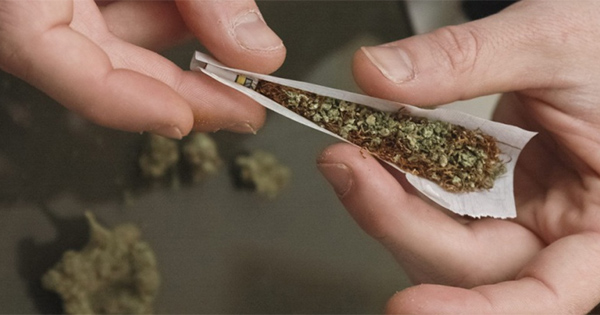
We've all heard that smoking cannabis makes you stupid. It's often an argument used by cannabis prevention campaigns or by politicians opposed to changing the status of cannabis. The modern version of this assertion can be summed up as follows 2012 study from Duke University, which concluded that intense and persistent cannabis use in adolescence and young adulthood was associated with a decline in IQ.
Other scientists have since criticized the study's methods. A follow-up study in the same journal found that previous research failed to take into account a number of factors that could also alter cognitive development, such as alcohol and cigarette consumption, mental illness or socio-economic status.
Two new studies this month shed new light on the relationship between cannabis use and intelligence: a British study followed 2,235 teenagers between the ages of 8 and 16, the other studied the difference between two American twins, one of whom used cannabis and the other did not. Despite their different methods, both studies came to the same conclusion: they found no evidence that marijuana use during adolescence had a negative impact on intelligence.
The British study, after taking into account factors that might influence the results, concluded that «cannabis use from the age of 15 does not predict lower IQ or poorer school performance. Research suggests that moderate cannabis use is not in itself a causal link with cognitive impairment».
These results do not totally invalidate the 2012 study, which examined long-term cannabis use. The twin study does, however, call its conclusions into question. Observing identical twins is a powerful tool for analysis, as their genetics are identical and the environment, which can alter studies, is also similar.
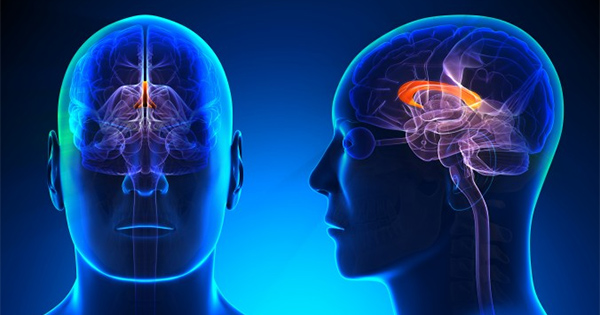
The twin data «failed to show that cannabis exposure during adolescence caused neurological decline», the study concludes. On the contrary, the figures suggest that «children with a predisposition to intellectual stagnation in middle school are on a trajectory of future cannabis use». In other words, instead of cannabis making kids stupid, it would seem that children with intellectual or academic difficulties are more likely to turn to cannabis.
If the cannabis was responsible for a drop in IQ, the more a person smokes, the less intelligent they are. This study does not confirm this.
None of this is to say, however, that you can smoke all the cannabis you want without exposing yourself to negative consequences. Heavy cannabis use is associated with physical and mental health risks, such as psychosis. These risks increase among people who start using cannabis early, in addition to possible addiction. Cannabis remains a drug. And like other drugs - alcohol, nicotine, caffeine - it has certain benefits and certain associated risks. Exaggerating them won't help change cannabis policies.










Medical Cannabis in Germany: THC Prices Vary by a Factor of 12

France already has 3,000 cannabis retail outlets. None of them are legal.

Morocco's exports of legal cannabis have expanded to 15 countries

Aurora Cannabis Doubles Its Production Capacity in Germany

Tilray is accelerating its operations in Europe thanks to a license in Portugal

Boston will host the 10th annual State of the Cannabis Industry Conference on October 26

A DEA report confirms that there are no fatal cannabis overdoses

A British patient is challenging the NHS's refusal to reimburse medical cannabis

October 2026 CBD Highlights: 10 Strains and Hash to Discover from 5 French Producers

CBD in France: Traceability, Retail Stores, THC and Driving… What the New Bill Proposes
-
 Business2 weeks ago
The legal cannabis market in New York exceeds 4 billion $ in revenue
-

 Cannabis in France3 weeks ago
Which countries legalized medical cannabis before France?
-
Business3 weeks ago
South Korea is preparing to begin local production of medical cannabis to meet rising demand
-
Cannabis in Thailand3 weeks ago
From the boom in dispensaries to a purely medical approach: Thailand is revising its cannabis policy
-
Cannabis and driving3 weeks ago
Medical Cannabis and Driving: New South Wales Ends Automatic Penalties for THC
-
Cannabis in Argentina4 weeks ago
Argentina Opens Its Market to Hemp Flowers Containing 1% of THC
-
Autism3 weeks ago
Autism and Cannabis: Results from the First Placebo-Controlled Trial of NTI164
-
Cannabis in France2 weeks ago
France’s Drug Policy Chief Defends Cannabis Prohibition... and Runs Into the Facts

















Pierre Limouzin
January 19, 2016 at 12 h 04 min
«Nothing in this says, however, that you can smoke all the cannabis you want without exposing yourself to negative consequences. Heavy cannabis use is associated with physical and mental health risks, such as psychosis.»
- Subsequent studies confirm that cannabis reveals psychotic tendencies earlier, not later...
Pierre Limouzin
January 19, 2016 at 12 h 13 min
It is synthetic cannabinoids that are toxic, as demonstrated by the damage caused by prohibition-induced trafficking, as well as attempts to do better than nature on the brain's natural endocannabinoids, as demonstrated by the horrific story of the clinical trials conducted by the Biotrial laboratory in Rennes on endocannabinoid receptors!