California to pay volunteers to smoke cannabis and drive

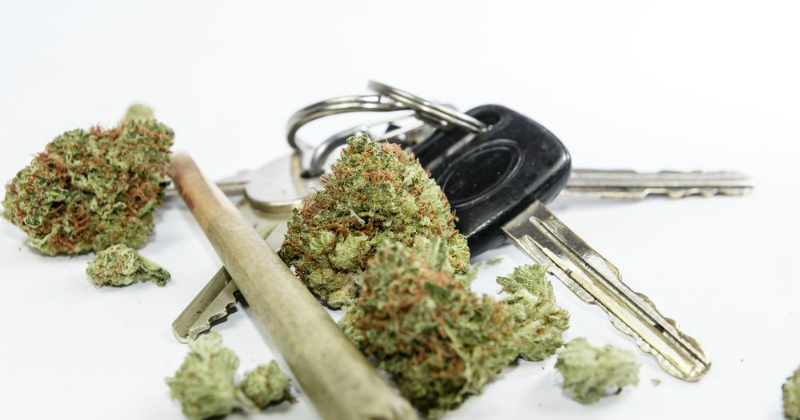
The University of San Diego, in cooperation with the Center for Medicinal Cannabis Research and the California Highway Patrol, will conduct a study funded by the State of California to better understand driving under the influence of cannabis, and to establish police procedures adapted to cannabis-enthusiast drivers.
Unsuitable procedures
As in most places where cannabis is legal, the police are faced with problems when it comes to DUI, or Driving under influence (driving under the influence).
Driving under the influence of cannabis is illegal in California, but unlike alcohol, there are no levels that significantly determine whether or not a driver is fit to drive. The decision is therefore left entirely in the hands of police officers, leaving the door open to racial discrimination.
What's more, few studies have been carried out on the subject, and no data are yet available to effectively determine how dangerous cannabis use is for road safety, taking into account the amount consumed, the driver's tolerance, initial driving ability and other important factors.
A comprehensive study
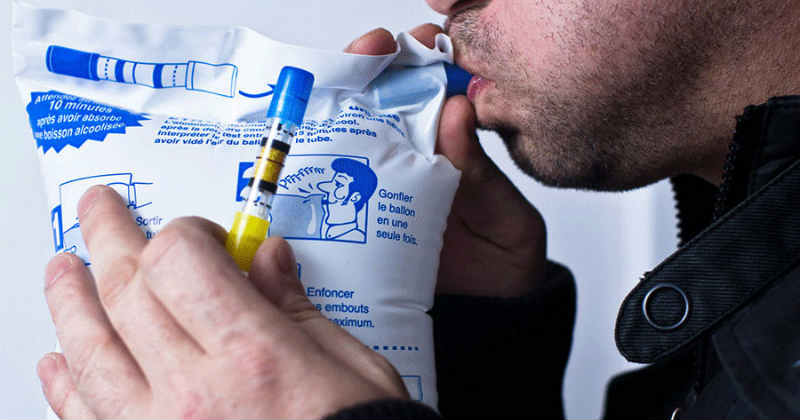
It was this problematic lack of data that prompted the State of California to fund this study, the first of its kind. It plans to test (and pay for) 260 healthy volunteers, adults and regular drivers, according to a precise method: at the start of the day, participants will be given a dose of cannabis containing 0% (placebo), 6.7% or 12.9% of THC, the psychotropic molecule in cannabis, without them knowing the level they have received. Next, their driving skills will be tested using simulators recording all data, body fluids (blood, saliva, exhaled air) will be analyzed, and iPad tests will be carried out, all before taking cannabis and every hour afterwards.
The aim of the study is to determine :
- The relationship between THC dose and driving ability
- Duration of influence on driving in terms of hours after initial intake
- Whether saliva or exhaled air can be used as forensic tests
- If iPad tests can be used by officers to detect the acute influence of cannabis on a driver
If the study proves conclusive, it is highly likely that it will serve as the basis for a reform of the laws of DUI, in California, but also around the world, which is currently facing the same problems.
In France, the law on driving under the influence of drugs considers that the presence of THC in the blood of a person involved in a personal injury accident automatically makes them liable, resulting in loss of insurance and possibly even criminal prosecution. Someone who has used cannabis several days before colliding with someone who ends up seriously injured may be forced to pay the injured person's medical expenses, which the insurance company may refuse to cover and which therefore remain the responsibility of the person, or even their descendants.








JIHE 2026: Japan’s Largest Trade Show Dedicated to Hemp and CBD Returns to Tokyo with More Than 100 Industry Players
New Caledonia: The Courts Clear the Way for the Return of CBD

The Brazilian medical cannabis market continues to grow

Morocco: Three Cannabis-Based Medications Approved for the Treatment of Epilepsy

Canopy Growth Receives New EU-GMP Certification to Strengthen Its Presence in Europe

Three years after legalizing medical cannabis, Albania continues to establish regulations for it

The first plant-based medical THC spray arrives in the United Kingdom

Medical Cannabis in Germany: THC Prices Vary by a Factor of 12

France already has 3,000 cannabis retail outlets. None of them are legal.

Morocco's exports of legal cannabis have expanded to 15 countries
-
 Business2 weeks ago
The legal cannabis market in New York exceeds 4 billion $ in revenue
-

 Cannabis in France4 weeks ago
Which countries legalized medical cannabis before France?
-
Business4 weeks ago
South Korea is preparing to begin local production of medical cannabis to meet rising demand
-
Cannabis in France4 days ago
France already has 3,000 cannabis retail outlets. None of them are legal.
-
Cannabis in Thailand4 weeks ago
From the boom in dispensaries to a purely medical approach: Thailand is revising its cannabis policy
-
Cannabis in the U.S.5 days ago
A DEA report confirms that there are no fatal cannabis overdoses
-
Cannabis and driving3 weeks ago
Medical Cannabis and Driving: New South Wales Ends Automatic Penalties for THC
-
Cannabis in France3 weeks ago
France’s Drug Policy Chief Defends Cannabis Prohibition... and Runs Into the Facts
















You must be logged in to post a comment Login