Study: the positive effects of CBD on autism

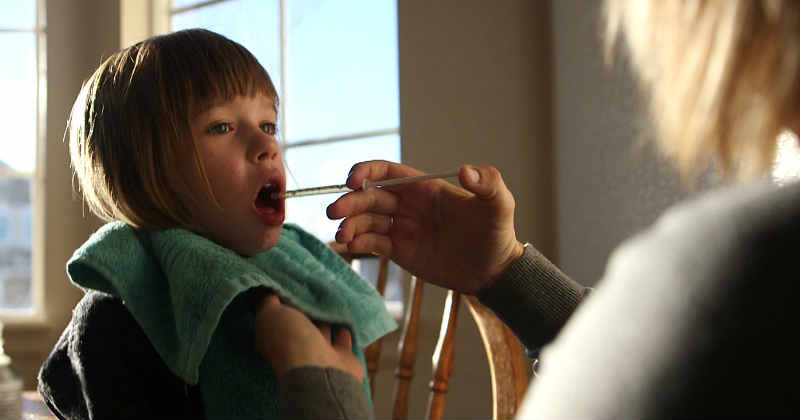
The scientific study designed to examine the effects of therapy with CBD on children with autism, announced in 2016 by Israeli doctor Adi Aran, has just been published and its results are conclusive. It was published in the prestigious journal Neurology. It was while conducting studies on the effect of cannabis on epilepsy, which affects a large percentage (around 33%) of autistic patients, that researchers discovered that cannabis therapies could have an effect on autism.
The course of the study
For seven months, the children were treated with cannabis oil containing 20% of CBD and 1% of THC. At the end of the treatment period, parents completed a questionnaire assessing potential changes in behavior, anxiety, communication and sociability.
- 61% of parents noted a significant improvement in their child's behavior.
- 47% of them observed that their child's level of communication had increased.
- 39% noted a reduction in anxiety symptoms (only two-thirds of participants were concerned by anxiety problems, so more than half are concerned by this reduction).
- Violent behavior decreased by 29% as treatment progressed.
- Pathology-affiliated stress rate down 33%
The promising results of this preliminary study give hope to families that they may finally find a treatment to relieve their children's suffering. There is currently no effective treatment for autism, and many patients are not receptive to conventional therapies. These results also bode well for the medical cannabis market. Nachshol Cohen, founder of Cannabium, a network of cannabis extraction companies, said: «We hope this research will help bring about a conceptual shift among regulators and legislators to bring scientific research to unequivocally demonstrate the positive effects of cannabis on a variety of health issues.». Israel is already a pioneering country in this area, with a very favourable climate for research into virtues of cannabis. The initiators of the study declared that they had very easily obtained the government's assent.
Another study in progress
A larger-scale study, A placebo-controlled study is currently underway on 120 patients. Participants, aged between 5 and 29, suffering from various forms of autism and whose 40% are not responsive to conventional treatments, will be administered either a placebo, pure cannabinoids or a extract plant extract (with a CBD/THC ratio of 20/1). In the case of the plant extract, scientists hope to discover the effect of the synergy of the different cannabinoids, otherwise known as the’entourage effect, which is still unknown.
After a four-week period of cannabis withdrawal, At the end of the study, participants will receive a second dose of one of the three products. They will be assessed at the start of the study, before the weaning period, after the weaning period and at the end of the study. This is a blind study: neither the participants nor the study staff will know who consumed which product. In this way, researchers hope to discover which composition and ratios are most effective, and which kind of patients are most receptive to treatment.








France already has 3,000 cannabis retail outlets. None of them are legal.

Morocco's exports of legal cannabis have expanded to 15 countries

Aurora Cannabis Doubles Its Production Capacity in Germany

Tilray is accelerating its operations in Europe thanks to a license in Portugal

Boston will host the 10th annual State of the Cannabis Industry Conference on October 26

A DEA report confirms that there are no fatal cannabis overdoses

A British patient is challenging the NHS's refusal to reimburse medical cannabis

October 2026 CBD Highlights: 10 Strains and Hash to Discover from 5 French Producers

CBD in France: Traceability, Retail Stores, THC and Driving… What the New Bill Proposes

Organigram Enters the Race for Aurora Cannabis
-
 Business2 weeks ago
The legal cannabis market in New York exceeds 4 billion $ in revenue
-

 Cannabis in France3 weeks ago
Which countries legalized medical cannabis before France?
-
Business3 weeks ago
South Korea is preparing to begin local production of medical cannabis to meet rising demand
-
Cannabis in Thailand3 weeks ago
From the boom in dispensaries to a purely medical approach: Thailand is revising its cannabis policy
-
Cannabis and driving3 weeks ago
Medical Cannabis and Driving: New South Wales Ends Automatic Penalties for THC
-
Cannabis in Argentina4 weeks ago
Argentina Opens Its Market to Hemp Flowers Containing 1% of THC
-
Autism3 weeks ago
Autism and Cannabis: Results from the First Placebo-Controlled Trial of NTI164
-
Cannabis in France2 weeks ago
France’s Drug Policy Chief Defends Cannabis Prohibition... and Runs Into the Facts

















You must be logged in to post a comment Login