
California: CBD food products temporarily illegal

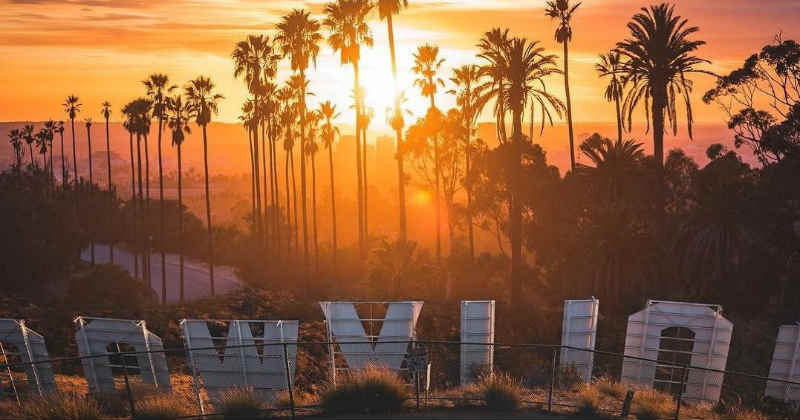
While California has officially launched its legal cannabis market Earlier this year, the Department of Public Health announced that CBD oil was banned from sale and from use by both animals and humans. Although the California government has the authority to legalize the substance, it chose to align itself with the federal position, which is that of the FDA (Food and Drug Administration).
An illegal substance
This position is ambiguous, to say the least, since it allows the consumption of industrial hemp seeds and oil made from those seeds, provided that the distributor does not claim any therapeutic benefits for the product, but it prohibits all CBD products, whether derived from cannabis or industrial hemp, with the exception of seeds and provided that the oil obtained is not enriched with CBD, THC, or other cannabinoids.
Oil derived from industrial hemp seeds has a different status than CBD oil. Industrial hemp oil (extracted from the seeds) does, of course, contain traces of CBD but is permitted for consumption.
CBD oil extracted from the plant, on the other hand, cannot be used as an ingredient, additive, or dietary supplement in food. At least not until the FDA—which is currently conducting research on the subject—declares it safe or even medically recommended. In the meantime, adding CBD to any product, regardless of its source, is strictly prohibited. The only authorized CBD product is the’Epidiolex, recognized as a drug by the FDA.
A Paradox for California
It may seem paradoxical for a state that has legalized cannabis in all its forms, including edibles, to ban CBD in food products when cannabis itself contains CBD.
These issues are, however, left to the discretion of the states, which can rely on federal agricultural laws to authorize the use of CBD for human consumption—something some states have already done. However, California, the U.S. leader in cannabis legalization, appears to be resisting this for the time being. Perhaps the government, currently in the process of drafting regulations for the cannabis market, does not wish to take on the regulation of another controversial substance that would require the creation of a new legal framework and entail high procedural costs.
The CBD-based products Yet they are experiencing a real boom and are becoming increasingly popular for their therapeutic benefits and relaxing effects. They are already available in many forms—from food to medical and cosmetic products—and in a variety of stores that are not limited to cannabis shops. This raises the question of how the government will go about removing all the controversial merchandise now that the market is flooded with it.








CBD is said to promote athletic recovery, without improving performance

294 cannabis clubs in Chile: a booming movement with uneven distribution

Chronic Sciatica: New York Approves First Clinical Trial of a THC-Based Medication

United States: The DEA is accelerating the integration of medical cannabis at the federal level

Florida is nearing one million patients using medical cannabis

Uruguay Revives Its Plan to Allow Tourists to Legally Access Cannabis

In Brazil, researchers are developing an innovative CBD eye drop

Autism: Medical Cannabis Is Linked to Reduced Anxiety

The $28 billion U.S. hemp market remains under threat

Jamaica Eases Small Farmers' Access to the Cannabis Market
-
 Business5 days ago
The legal cannabis market in New York exceeds 4 billion $ in revenue
-
Cannabis and driving4 weeks ago
Cannabis and CBD: French Drivers Can Now Lose Their License Even Without a Positive Test Result
-

 Cannabis in France2 weeks ago
Which countries legalized medical cannabis before France?
-
Business2 weeks ago
South Korea is preparing to begin local production of medical cannabis to meet rising demand
-
Cannabis in the Netherlands4 weeks ago
One year after the launch of the Dutch cannabis experiment, the first trends are emerging
-
Cannabis in Thailand2 weeks ago
From the boom in dispensaries to a purely medical approach: Thailand is revising its cannabis policy
-
Cannabis in France4 weeks ago
French medical cannabis remains stalled at the Ministry of Health
-
Cannabis in Argentina3 weeks ago
Argentina Opens Its Market to Hemp Flowers Containing 1% of THC















You must be logged in to post a comment Login