Study: cannabis to protect the blood-brain barrier

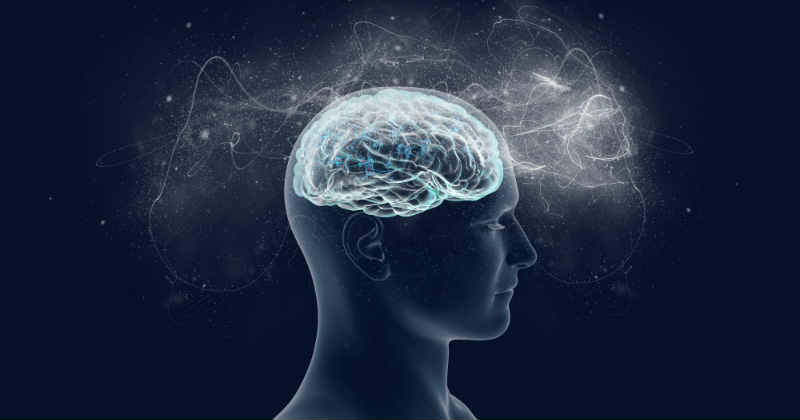
A study conducted by Chinese researchers and published last month reveals that cannabis may act as a protector of the blood-brain barrier.
The blood-brain barrier
Referred to in the study as Blood-brain barrier (BBB), The blood-brain barrier is the brain's physiological line of protection against potential external threats. Consisting mainly of endothelial cells, the BBB acts as a filter between the blood and the brain, so that the latter can be nourished without receiving pathogens, toxins or hormones from the blood, against which it would be unable to defend itself.
This protection is extremely important, but it also hinders the treatment of certain diseases, since drugs are often eliminated by this line of defense. The blood-brain barrier can be damaged by various internal or external factors, represent a threat in its own right when its functioning is abnormal, or prove ineffective in the face of certain diseases, such as HIV, multiple sclerosis or some cancers that metastasize to the brain.
In addition, hemorrhage or stroke can cause the BBB to become impermeable, leading to complications that can be even more serious than the initial problem.
Cannabis and the BBB
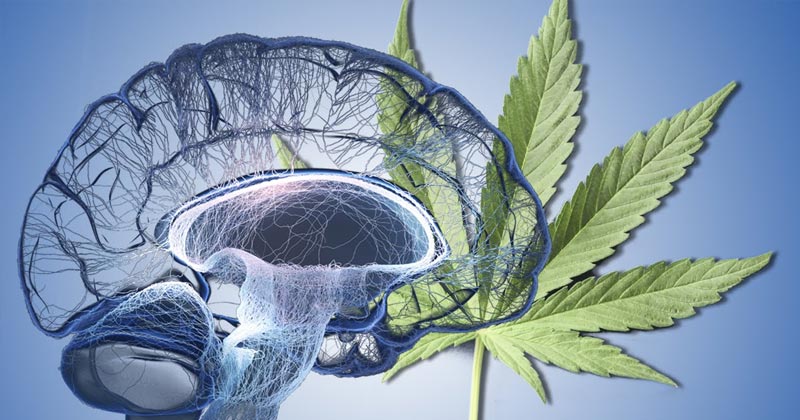
That's where cannabis comes in, or rather the JWH 133, a synthetic cannabinoid acting as a CB2 receptor agonist, the same receptors to which THC and CBD bind. Chinese scientists have chosen to use these molecules for their study, which shows the effects of cannabis (more precisely, CB2 receptor inhibition) on the blood-brain barrier after a hemorrhage.
According to the excerpt from the study, «BBB disruption and the subsequent development of cerebral edema is the most lethal secondary injury following intracerebral hemorrhage». The scientists therefore set out to find a way of protecting this barrier after cerebral haemorrhage, and to do so looked at the activity of the endocannabinoid system and in particular CB2(R) receptors on the blood-brain barrier.
By inducing cerebral hemorrhage in 192 adult male rats, then administering certain doses of JWH 133, the researchers realized that this molecule induced a range of beneficial effects, such as improving BBB permeability, neurological deficits as well as cerebral edema, in addition to activating microglia and attenuating the expression of inflammatory mediators and necrotizing tumor factors.
According to them, «CB2R antagonists» (here JWH 133, but actually THC and CBD) «attenuate neuroinflammation and improve blood-brain barrier capacity after cerebral hemorrhage in rats».
The results of this study are conclusive and add further details to a previous one. study which already showed that past cannabis use in patients with cerebral hemorrhage was a beneficial factor in the final outcome.









Medical Cannabis in Germany: THC Prices Vary by a Factor of 12

France already has 3,000 cannabis retail outlets. None of them are legal.

Morocco's exports of legal cannabis have expanded to 15 countries

Aurora Cannabis Doubles Its Production Capacity in Germany

Tilray is accelerating its operations in Europe thanks to a license in Portugal

Boston will host the 10th annual State of the Cannabis Industry Conference on October 26

A DEA report confirms that there are no fatal cannabis overdoses

A British patient is challenging the NHS's refusal to reimburse medical cannabis

October 2026 CBD Highlights: 10 Strains and Hash to Discover from 5 French Producers

CBD in France: Traceability, Retail Stores, THC and Driving… What the New Bill Proposes
-
 Business2 weeks ago
The legal cannabis market in New York exceeds 4 billion $ in revenue
-

 Cannabis in France3 weeks ago
Which countries legalized medical cannabis before France?
-
Business3 weeks ago
South Korea is preparing to begin local production of medical cannabis to meet rising demand
-
Cannabis in Thailand3 weeks ago
From the boom in dispensaries to a purely medical approach: Thailand is revising its cannabis policy
-
Cannabis and driving3 weeks ago
Medical Cannabis and Driving: New South Wales Ends Automatic Penalties for THC
-
Cannabis in Argentina4 weeks ago
Argentina Opens Its Market to Hemp Flowers Containing 1% of THC
-
Autism3 weeks ago
Autism and Cannabis: Results from the First Placebo-Controlled Trial of NTI164
-
Cannabis in France2 weeks ago
France’s Drug Policy Chief Defends Cannabis Prohibition... and Runs Into the Facts
















You must be logged in to post a comment Login