Cannabis and religion

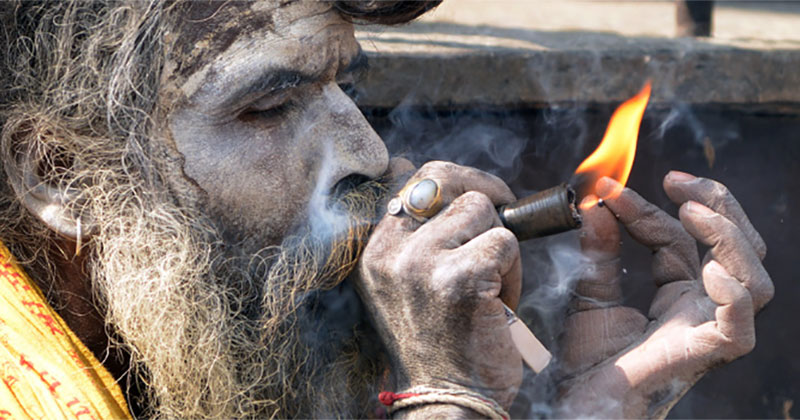
In our modern culture, the spiritual use of cannabis is directly associated with Rastafari movement who use it as a sacrament and meditation aid. Yet cannabis has been used for millennia in many religions. A world tour of cannabis use in religion.
Cannabis and Chinese religion
Taoist shamans used cannabis in combination with ginseng to reveal the truth about the future, believing that the plant had the power to transport their spirit back in time. In Taoism, cannabis consumption was reserved for religious dignitaries and not shared with the common people, which may explain its exclusion from ancient texts. Around the year 200, the Han dynasty of the Chinese Empire embraced Confucianism and abandoned Taoism, and with it, cannabis.
Hemp has a long tradition in China. At one time, it was so prized that the Chinese called their country the land of blackberries and hemp. Cannabis was a symbol of power over evil and was present in Shen Nung's pharmacopoeia, described as «liberator of sin». The Chinese believe that the legendary Shen Nung taught the cultivation of hemp as early as the 28th century B.C. He is also credited with developing the science of medicine from the healing powers of the plant. Today, he remains the father of Chinese medicine.
Cannabis and Indian religion
While the spiritual use of cannabis is thought to have ended around the year 200 in China, India was just beginning to use it. Indian legends say that the gods sent hemp out of compassion for the human race, so that it might attain pleasure, lose its fear, and increase its sexual desire. Other Hindu stories suggest that cannabis comes from a drop of nectar that fell from heaven.
The most popular theories are that gods and demons churned the sea of milk to obtain the’amrita, immortality in Sanskrit, and received cannabis in return.
Whatever its history, cannabis has a sacred place in the Hindu faith. In practice, the Hindu goddess was offered cannabis-based drinks, called bhang,during religious festivals. Community members took part in the ritual, sharing cannabis chalices among other things.
Cannabis has also been used in Ayurvedic medicine for over 3,000 years to treat all kinds of ailments, including nausea and weight loss. It is also prescribed for general health and longevity, and used by Indian athletes to gain muscle mass and aid digestion.
Cannabis and Tibetan religion
India and Tibet share not only a border, but also a rich tradition of religious cannabis consumption. Tibet is historically a Buddhist nation. In Mahāyāna Buddhism, one of the two main branches of the religion, the Guatama Buddha lived on one hemp seed a day for 6 years on his way to enlightenment.
Buddha is sometimes depicted holding a chalice of soma (a hallucinogenic juice) or cannabis leaves. Practitioners of Buddhism may use cannabis to facilitate meditation or raise their consciousness during religious ceremonies.
Cannabis and religion in ancient Greece
The ancient cultures of Scythia and Assyria were known to use cannabis incense during their religious ceremonies. Herodotus, a 5th-century B.C. Greek historian known as the «Father of History», wrote that the Scythians held ceremonies in tents, in which they burned hemp plants in incense burners. Participants commonly inhaled smoke fumes for euphoric and ritual purposes.
The Assyrians are said to have used cannabis in incense as early as the 9th century BC, although there is no direct archaeological evidence. This ritual was intended to ward off evil spirits, during funeral rituals or in children's rooms.
Cannabis and Japan
Hemp was used in Japan for ceremonies and to purify and ward off evil spirits. In Japan, Shinto priests used a gohei, a small stick made from hemp fibers to create a sacred and pure space. According to Shinto beliefs, evil and purity cannot exist next to each other, and by waving the gohei, the evil spirits inside people or places disappeared.
Read more: the secret history of cannabis in Japan
Many garments were also made from hemp, and worn during religious ceremonies, always in association with the purity of the plant.
Cannabis and the Old Testament
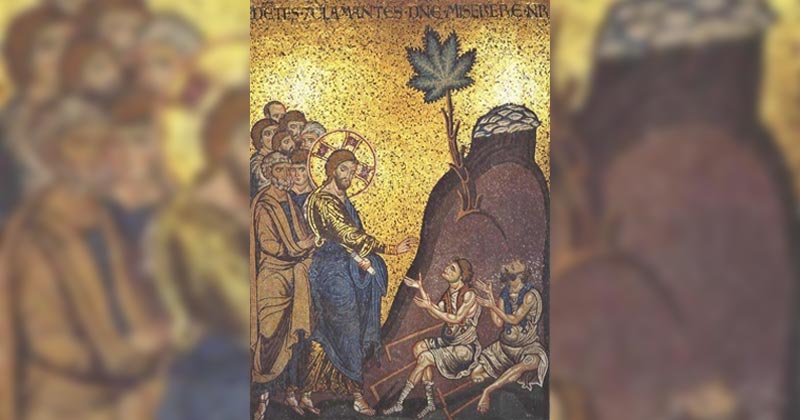
Cannabis is quite common in Eastern religions, but many scholars believe that the Judaic and Christian traditions also used cannabis. In 1936, Polish etymologist Sula Benet proposed a new interpretation of the Hebrew text of the Old Testament. According to her, a translation error had crept into the Greek version of the Old Testament. The Hebrew words kaneh bosm would have been translated as «calamus», a plant used to make perfumes, instead of «cannabis».
If his translation is correct, several passages of the Old Testament would be affected. References to kaneh bosm are made in Exodus, Song of Songs, Isaiah, Jeremiah and Ezekiel. In Exodus, God instructs Moses to make a sacred oil made from myrrh, cinnamon, cassia and kaneh bosm. The ancestor of dab ?
Cannabis and Islam
It's interesting to note that the consumption of hemp was not prohibited by Mohammed (570 - 632 AD), whereas the consumption of alcohol was strictly forbidden. Today, however, some orthodox Muslims consider cannabis to be forbidden.
Many Muslim historians consider hemp to be a «holy plant». Arab doctors in the Middle Ages used hemp as a sacred medicine, which they called kannab. The Sufis who originated in ancient Persia used the hashish as a means of stimulating mystical awareness and appreciating the nature of Allah. They claimed that hash gave them deep interiority and fundamental insight into themselves, but also joy, reduced anxiety and increased appreciation of music.
According to Arab legend, Haydar, the founder of the Sufi religious order, came across cannabis plants while wandering in the Persian mountains. Usually reserved and silent, on returning to his monastery after eating a few cannabis leaves, his disciples were amazed at how spiritually filled he was. So his disciples went to the mountains and tried cannabis themselves. According to legend, this is how the Sufis came to know the pleasures of hashish.
Cannabis and Jamaican religion
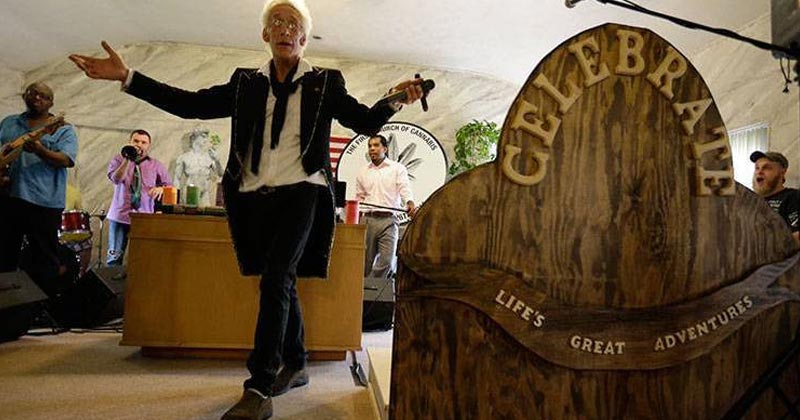
Made popular by Bob Marley, and more recently by Snoop Lion, The Rastafari movement focuses on Jah, or God, and involves the spiritual use of cannabis and the rejection of materialism and oppression. The Rastafarian use of cannabis has been the subject of much careful study throughout the 20th century. Court proceedings established in 1993 that the use of cannabis and other substances for spiritual and religious purposes was legal under US law (Religious Freedom and Restoration Act).












New Caledonia: The Courts Clear the Way for the Return of CBD

The Brazilian medical cannabis market continues to grow

Morocco: Three Cannabis-Based Medications Approved for the Treatment of Epilepsy

Canopy Growth Receives New EU-GMP Certification to Strengthen Its Presence in Europe

Three years after legalizing medical cannabis, Albania continues to establish regulations for it

The first plant-based medical THC spray arrives in the United Kingdom

Medical Cannabis in Germany: THC Prices Vary by a Factor of 12

France already has 3,000 cannabis retail outlets. None of them are legal.

Morocco's exports of legal cannabis have expanded to 15 countries

Aurora Cannabis Doubles Its Production Capacity in Germany
-
 Business2 weeks ago
The legal cannabis market in New York exceeds 4 billion $ in revenue
-

 Cannabis in France4 weeks ago
Which countries legalized medical cannabis before France?
-
Business4 weeks ago
South Korea is preparing to begin local production of medical cannabis to meet rising demand
-
Cannabis in France4 days ago
France already has 3,000 cannabis retail outlets. None of them are legal.
-
Cannabis in Thailand4 weeks ago
From the boom in dispensaries to a purely medical approach: Thailand is revising its cannabis policy
-
Cannabis in the U.S.5 days ago
A DEA report confirms that there are no fatal cannabis overdoses
-
Cannabis and driving3 weeks ago
Medical Cannabis and Driving: New South Wales Ends Automatic Penalties for THC
-
Cannabis in France3 weeks ago
France’s Drug Policy Chief Defends Cannabis Prohibition... and Runs Into the Facts
















You must be logged in to post a comment Login