
Italian farmers grow hemp to decontaminate polluted land

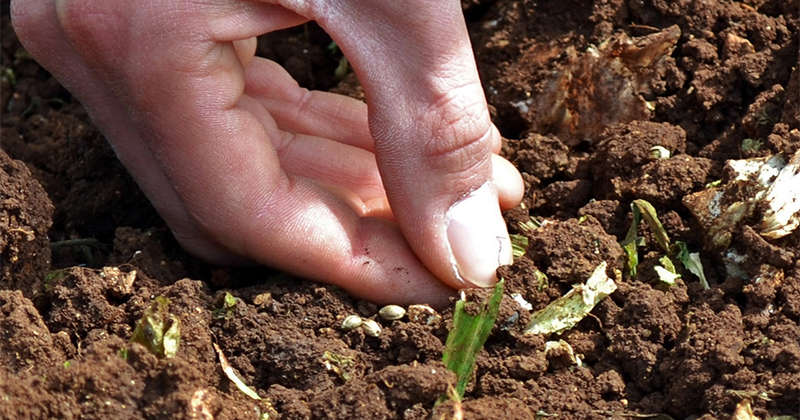
Farmers in Taranto, a city in the Italian region of Puglia best known for its dairy farms and traditional cheeses, are now growing Hemp to Combat Environmental Pollution devastating fire at a huge steel mill located near their fields, as reported by Slate.
The Ilva steel plant covers an area three times the size of the city of Taranto. It opened in 1965 and transformed Taranto into a grimy industrial city: smoking smokestacks, blast furnaces, and waste dumps now dominate the cityscape. An oil refinery and a cement plant also welcome visitors for tours of their facilities.
«People used to come from all over to buy our artisanal dairy products, baked over a wood fire in clay ovens,» says Vincenzo Fornaro, a local farmer. «Those days are long gone.».
The soil is now so severely contaminated with heavy metals that farmers are prohibited from grazing their animals within a 20-kilometer radius of the factory.
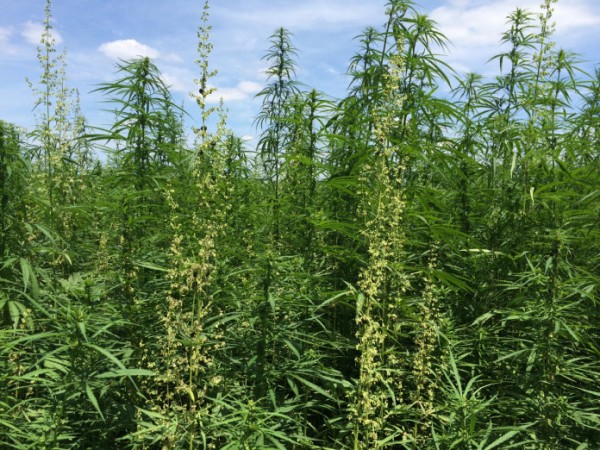
From now on, Vincenzo is using his land to grow hemp—not to sell it, but to clean up the soil.
Hemp and Soil Remediation
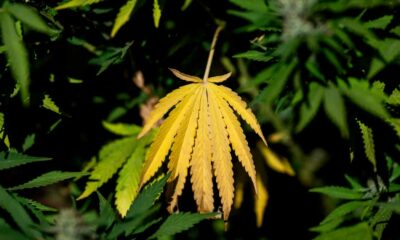
The Hemp is a variety of the Cannabis plant which contains very little THC (less than 0.3% to be eligible for cultivation in France). Hemp is grown primarily for its fibers, which can produce thousands of products—basically everything that is currently made of plastic, textiles, or paper.
But hemp also has another characteristic: it is extremely effective at absorbing heavy metals found in contaminated soil. Heavy metals are a unique class of toxins that cannot be broken down into non-toxic forms, which means they remain where they are for a very long time.
The concentration of this type of soil pollution has risen sharply in many parts of the world since the beginning of the Industrial Revolution.
« »Phytoremediation refers to the treatment of environmental problems—often heavy metal contamination—through the use of plants that help reduce contamination without having to excavate the contaminants and dispose of them elsewhere,” explains Claire Moore, a biologist and lab manager at a cannabis testing facility.
«This is a relatively new technology that is attracting international attention for its non-invasive and cost-effective method, which harnesses the ability of certain plant species to remove specific pollutants from contaminated soil.».
While the the practice of phytoremediation is still in its early stages, the Hemp appears to have a high tolerance to heavy metals and a high degree of effectiveness in removing heavy metals from contaminated soil without harming the plant itself.
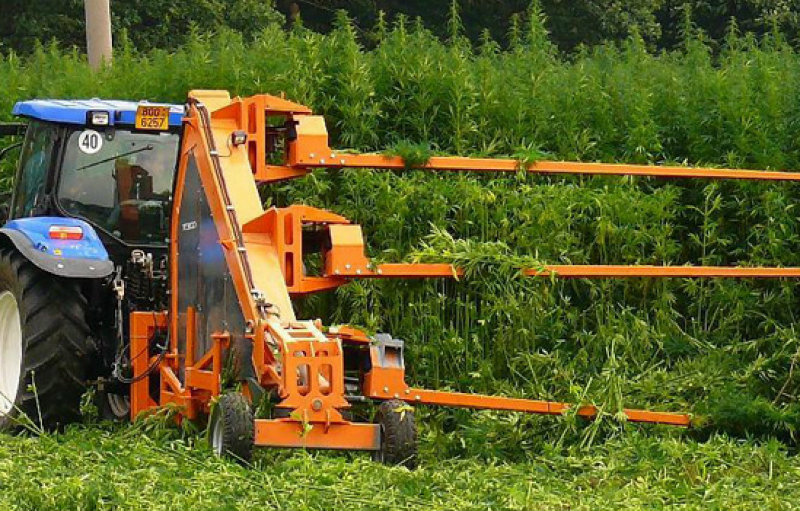
The Hemp cultivation is legal in Italy. Farmers like Vincenzo who grow cannabis to rid their farmland of toxins can then use their harvest for industrial purposes. The toxins do not end up in the plant's fibers.
«For now, we only have industrial uses for hemp. I hope that in the future, we’ll also be able to use it for food. One thing is certain: we’re going to surround the ILVA plant with hemp plants.».
About 100 farmers currently grow hemp in Puglia.




EFSA Gives Initial Approval for Synthetic CBD; Natural Extracts Still Pending

Federal Cannabis Reform Once Again on Hold in the United States

Contest: Win a trip to Quebec to experience the hemp harvest firsthand

Bedrocan on Hold Amid Uncertainty Over Medical Cannabis

Newsweed Launches Its Own AI
A new tax of 0.5% could disrupt the hemp industry in Canada

Medical Cannabis and Driving: New South Wales Ends Automatic Penalties for THC

China's Yongji Health Takes Control of Tasmanian Botanics

Autism and Cannabis: Results from the First Placebo-Controlled Trial of NTI164

Which countries legalized medical cannabis before France?
-
 Cannabis and driving3 weeks ago
Cannabis and CBD: French Drivers Can Now Lose Their License Even Without a Positive Test Result
-

 Cannabis in France6 days ago
Which countries legalized medical cannabis before France?
-
Cannabis in France3 weeks ago
Cannabis Legalization: The LFI Bill Has a Major Problem—THC
-
Cannabis in the Netherlands2 weeks ago
One year after the launch of the Dutch cannabis experiment, the first trends are emerging
-
Business6 days ago
South Korea is preparing to begin local production of medical cannabis to meet rising demand
-
Cannabis in Thailand6 days ago
From the boom in dispensaries to a purely medical approach: Thailand is revising its cannabis policy
-
Cannabis in Argentina2 weeks ago
Argentina Opens Its Market to Hemp Flowers Containing 1% of THC
-
Cannabis in France2 weeks ago
French medical cannabis remains stalled at the Ministry of Health














You must be logged in to post a comment Login