
Italy seeks to reclassify cannabidiol as a narcotic

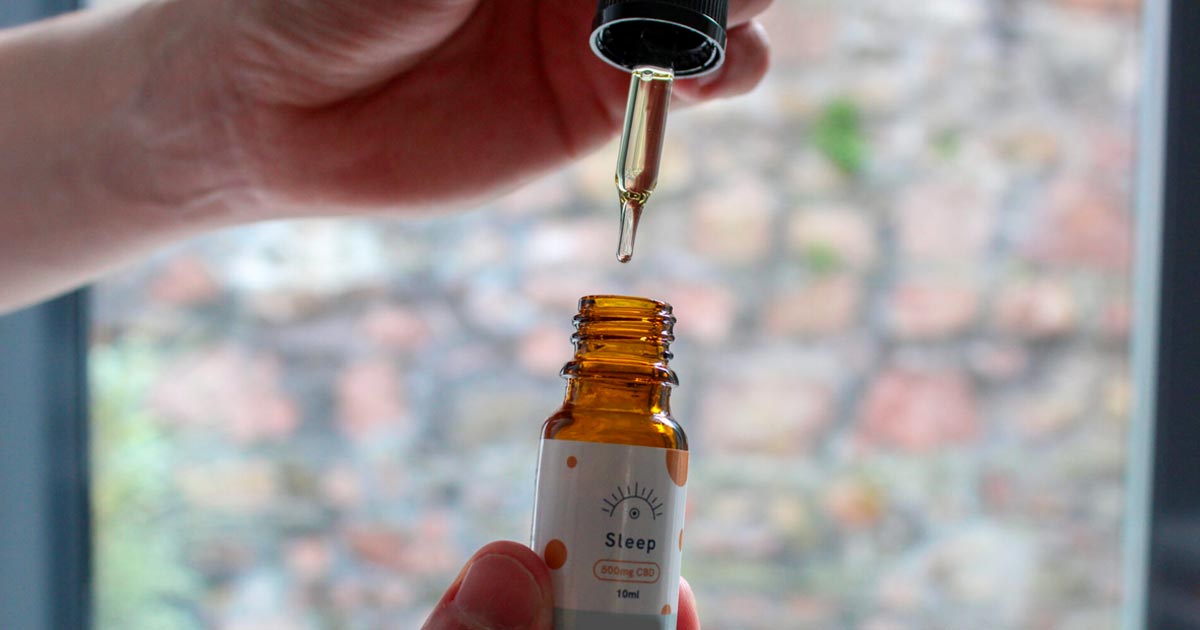
The Italian government, led by far-right Prime Minister Giorgia Meloni, is moving forward with a new decree a controversial proposal that aims to reclassify CBD (cannabidiol) as a narcotic, contrary to global and European decisions regarding CBD regulation.
New Government Decree on CBD Oil
The Italian government introduced a new decree yesterday aimed at classifying CBD for oral use as a narcotic. This decree could take effect 30 days after its publication in the Official Journal. However, it may be subject to an appeal by the TAR, the Italian administrative court. The decree follows the established framework by the previous Speranza decree, who had been broken by the Tar in 2023, but includes new opinions from the Higher Institute of Health and the Higher Health Council, suggesting that these institutions now have sufficient scientific evidence to support this classification.
Giacomo Bulleri, a lawyer specializing in this field, spoke on LinkedIn and to DolceVitaOnline.it on the implications of the decree. He describes the situation as «surreal,» especially since a ruling by the TAR on the matter is still pending. Mr. Bulleri believes that the government could have presented its evidence as part of the ongoing legal proceedings, rather than imposing a new decree. He points out that this decision appears to reflect Italy’s determination to classify CBD as a narcotic, despite the clarification from the European Court of Justice according to which it should not be considered as such.
Mr. Bulleri also points out that the new decree includes World Health Organization recommendations (WHO) from 2020. The WHO had advised all member states not to classify CBD-based products—particularly those with a THC content not exceeding 0.2%—as narcotics. This inclusion raises questions about the scientific necessity and proportionality of the government’s decision.
Impact on the Italian CBD Market
The decree specifically targets oral CBD preparations derived from cannabis, while leaving synthetic CBD products and cosmetic applications unaffected, managed by Cosing. This selective approach adds to the complexity and confusion surrounding the regulations. Furthermore, it creates uncertainty regarding the use of CBD in food products, which could put Italy at odds with the European market as a whole.
Mr. Bulleri warns that Italy risks becoming isolated from the common market. By the end of 2024 or early 2025, the European Food Safety Authority (EFSA) is expected to authorize foods containing CBD throughout Europe, if it manages to pull itself out of the The Novel Food Quagmire. If Italy proceeds with this classification, it could become the only European country to classify CBD as a narcotic, which would hinder its commercial and industrial growth, even though it supplies a large portion of European countries with CBD flowers and extracts.

















France’s Drug Policy Chief Defends Cannabis Prohibition... and Runs Into the Facts

Cannabis and the Adolescent Brain: French Scientists Make a Key Discovery

EFSA Gives Initial Approval for Synthetic CBD; Natural Extracts Still Pending

Federal Cannabis Reform Once Again on Hold in the United States

Contest: Win a trip to Quebec to experience the hemp harvest firsthand

Bedrocan on Hold Amid Uncertainty Over Medical Cannabis

Newsweed Launches Its Own AI
A new tax of 0.5% could disrupt the hemp industry in Canada

Medical Cannabis and Driving: New South Wales Ends Automatic Penalties for THC

China's Yongji Health Takes Control of Tasmanian Botanics
-
 Cannabis and driving3 weeks ago
Cannabis and CBD: French Drivers Can Now Lose Their License Even Without a Positive Test Result
-

 Cannabis in France1 week ago
Which countries legalized medical cannabis before France?
-
Cannabis in France4 weeks ago
Cannabis Legalization: The LFI Bill Has a Major Problem—THC
-
Cannabis in the Netherlands3 weeks ago
One year after the launch of the Dutch cannabis experiment, the first trends are emerging
-
Business1 week ago
South Korea is preparing to begin local production of medical cannabis to meet rising demand
-
Cannabis in Thailand1 week ago
From the boom in dispensaries to a purely medical approach: Thailand is revising its cannabis policy
-
Cannabis in Argentina2 weeks ago
Argentina Opens Its Market to Hemp Flowers Containing 1% of THC
-
Cannabis in France3 weeks ago
French medical cannabis remains stalled at the Ministry of Health












DBD
July 8, 2024 at 13 h 24 min
CBD is giving the mafia too much unfair competition. That's not nice.