The Argentine province of Chubut is creating its own framework for medical cannabis

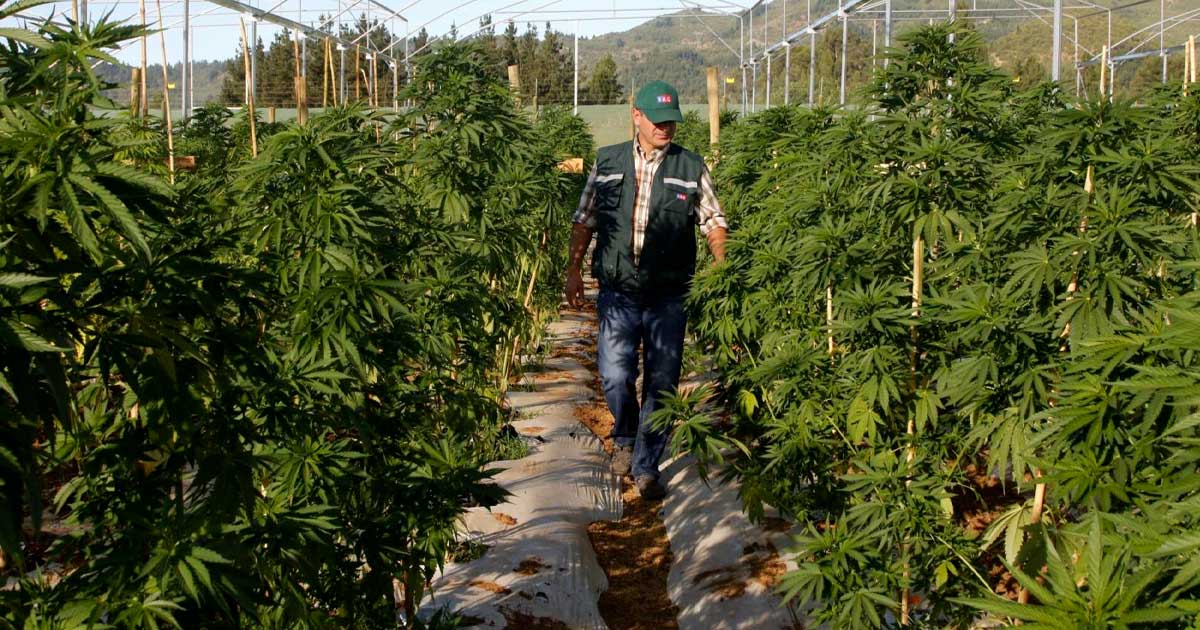
More than two years after it was unanimously adopted, the Argentine province of Chubut has finally adopted the regulations necessary to implement the Salomé Act, a landmark piece of legislation governing the medical marijuana, domestic culture, and the industrial hemp in the province. This decision opens up new avenues for patients to access cannabis-based treatments, while laying the groundwork for a regulated provincial industry, in conjunction with national regulations.
The governor Ignacio Torres signed the Decree No. 1680/2026, implementing the Law No. 790, originally adopted in September 2024. Announced on October 28, 2026, these regulations establish procedures for patient registration, recognize the role of civil society organizations, and create a licensing framework for the production and distribution of cannabis.
A New Provincial Patient Registry
At the heart of this regulation is the creation of the Chubut Cannabis User Registry (REUSCCH), which will report to the Provincial Health Secretariat.
This registry is intended for residents who are not registered with REPROCANN, Argentina’s national registration program for medical cannabis, and who need authorization to grow cannabis for medical, therapeutic, or palliative purposes.
The regulatory framework provides for several methods of access, including the home gardening, growing crops on behalf of family members or dependents, as well as obtaining supplies through approved organizations.
Associations, foundations, and other civil society organizations will also receive official recognition within the provincial system. These groups, that have historically played an important role by helping patients access treatment, will be required to register and comply with specific health and administrative requirements.
It is important to note that the provincial registry does not replace REPROCANN nor does it take precedence over national law. Both systems must operate within the scope of their respective legal authorities.
The regulations also establish a procedure that allows pharmacies and licensed healthcare facilities to purchase cannabis flowers and derivatives from licensed producers and to dispense them to registered patients with a valid medical prescription.
Why is Chubut's cannabis legislation called the «Salomé Law»?
The name of this legislation reflects the personal struggles behind the medical cannabis movement in Argentina. Salomé is the daughter of Berta Tachek, president of the’Puerto Madryn Association for Medical Cannabis, whose advocacy helped bring the issue to the attention of provincial lawmakers.
Ms. Tachek’s efforts to secure cannabis-based treatments for her daughter and other patients have been closely linked to this legislative initiative. At the suggestion of the provincial representative Juan Pais, the law was named in honor of Salome, we are told ElPlanteo.
On September 26, 2024, the 27 members of the Chubut Legislative Assembly voted in favor of the bill, reflecting an exceptionally broad political consensus.
The original law set a 30-day deadline for the publication of regulations and a 90-day deadline for the establishment of the registry and the provincial agency. Both of these deadlines have passed without the necessary administrative framework having been put in place.
In September 2026, various organizations publicly criticized this prolonged delay, which had rendered key provisions of the law largely ineffective. The recently signed decree therefore fills a regulatory gap that had persisted for more than two years.
A boost for hemp, too
Beyond patient access, the Salomé Act aims to make Chubut a regional hub for medical cannabis production and the development of industrial hemp. The regulation establishes the’Chubut Agency for Industrial Hemp and Medical Cannabis (ACCICANN), a decentralized agency under the provincial Ministry of Production.
ACCICANN will oversee licensing, authorizations, and compliance throughout the production chain, including cultivation, processing, storage, transportation, industrial production, and marketing. Argentina recently opened its market hemp flowers and biomass containing 1% of THC.
Provincial licenses will be valid for at least five years. Companies that already hold national authorizations will also benefit from streamlined procedures to bring their operations into compliance with provincial requirements.
With regard to the industrial hemp, the regulations introduce simplified procedures for agricultural and industrial permits, opening up new opportunities for local producers and businesses.
Chubut Aims for Investment, Jobs, and Scientific Development
The provincial government has presented this regulation as an opportunity to diversify an economy that has historically been dependent on traditional agricultural and extractive industries. Officials predict that a regulated cannabis and hemp sector could stimulate private investment, support local entrepreneurship and generate demand for equipment, specialized services, and a skilled workforce.
Scientific research is also a key issue. Legislation encourages collaboration among producers, universities, and research institutes to develop new technologies, improve production practices, and deepen our understanding of the medical applications of cannabis.
It also provides for training programs for health care professionals, government officials, law enforcement personnel, producers, and community organizations.
A traceability system, implemented jointly by the Health Secretariat and ACCICANN, will make it possible to monitor the sector’s activities.
At the official presentation, the Secretary of Health, Sergio Wisky, also praised the participatory nature of this legislation:
«This law does not stem from the idea of a legislator, but from that of consumers, producers, organizations, and institutions.»
The government acknowledged that implementation would be phased and would require additional administrative measures to iron out the final details—including registration procedures, licensing mechanisms, and monitoring systems.

















The Argentine province of Chubut is creating its own framework for medical cannabis

Cannabis: What France Could Learn from Quebec, Eight Years After Legalization

A Canadian study reveals the pleasant psychotropic effects of high-dose CBD

Medical cannabis: The Greens introduce two amendments to accelerate its widespread adoption

More THC, barely any additional effects: A new study challenges common assumptions about the potency of cannabis

Dr. Pascal Douek, a tireless advocate for medical cannabis in France, has died

Kentucky now has 26 medical cannabis dispensaries

«Vincy Gold»: Humboldt Seed Company on the Hunt for Saint Vincent Sativas

Cronos Completes the Acquisition of CanAdelaar for 57.5 million euros

Cannabis with a "bloody" twist: Discover Sensi True Blood and Sensi Sangria, the two new strains from Sensi Seeds
-
 Business3 weeks ago
The legal cannabis market in New York exceeds 4 billion $ in revenue
-
Cannabis in France2 weeks ago
France already has 3,000 cannabis retail outlets. None of them are legal.
-
Cannabis in the U.S.2 weeks ago
A DEA report confirms that there are no fatal cannabis overdoses
-
Cannabis in France4 weeks ago
France’s Drug Policy Chief Defends Cannabis Prohibition... and Runs Into the Facts
-
Studies on cannabis3 weeks ago
Cannabis Oil and Endometriosis: A Promising Study for Pain Relief
-
Business2 weeks ago
Tilray is accelerating its operations in Europe thanks to a license in Portugal
-
CBD3 weeks ago
In Brazil, researchers are developing an innovative CBD eye drop
-
Cannabis in France2 weeks ago
CBD in France: Traceability, Retail Stores, THC and Driving… What the New Bill Proposes
















You must be logged in to post a comment Login