
The European Parliament opens the door to agricultural aid for hemp flowers

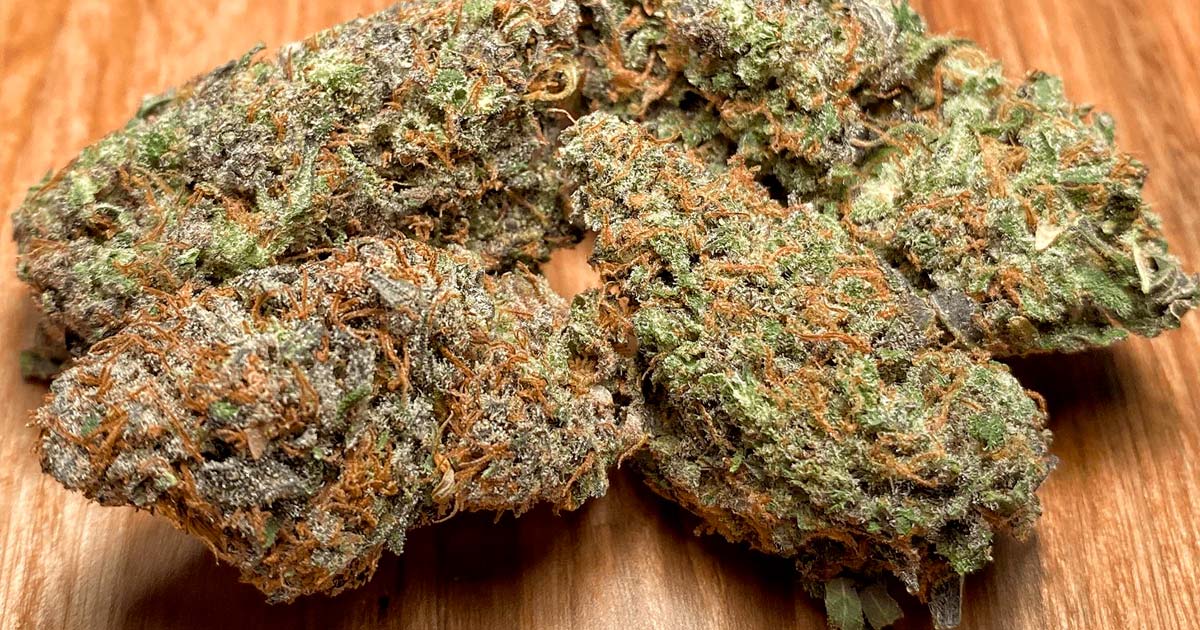
A committee of the European Parliament has approved an amendment that could profoundly change the way the European Union treats hemp flowers. The text, validated by the Regional Development Commission (REGI), proposes to extend European agricultural support to producers of flowers rich in CBD, via the Common Agricultural Policy (CAP).
This breakthrough comes against a paradoxical backdrop: at a time when some member countries are trying to tighten the rules on products made from cannabidiol, the CBD is going through a phase of contraction that is directly affecting farmers.
An extension of the CAP to CBD-rich flowers
In concrete terms, the measure aims to make hemp flowers eligible for European agricultural subsidies, whereas until now the CAP mainly supported crops intended for fiber and seeds. These crops have benefited from payments for several decades, on condition that they use certified varieties with low levels of THC.
The proposal is put forward by Valentina Palmisano, an Italian MEP from the 5-Star Movement. In her view, the aim is to recognize all parts of the hemp plant as agricultural products in their own right. In her view, this would provide greater legal certainty for producers and allow flowers to be marketed «as an integral part of the plant, without unjustified distinction».
The text seeks to reposition the hemp flower on the side of agriculture, rather than leaving it in a grey area often associated with narcotics.
A legal basis supported by science and the CJEU
The report adopted is based on scientific findings affirming that the industrial hemp does not present a risk to public health. It also recalls a key element of the European framework: the decision handed down in 2020 by the Court of Justice of the European Union (CJEU), the Kanavape ruling, which ruled that the CBD could not be considered a narcotic, paving the way for the free circulation of these products within the EU.
This case law has become a cornerstone for many players in the sector, who are often confronted with contradictory national legislation.
While this breakthrough is seen as symbolically important, it will probably not be enough to relaunch a European market for CBD under attack from all sides. Industry professionals face tougher obstacles, such as Novel Food, which, although not binding on European countries, continues to block or slow down the marketing of many cannabidiol-based products.
Observers point out that the industry's survival will depend above all on a stable, harmonized regulatory framework, as well as more solid economic outlets than just the «welfare» market. Subsidies could provide a safety net for farms exposed to regulatory fluctuations.
The REGI committee's vote is just the first step. The text still has to go through other internal procedures in the European Parliament, before entering into negotiations with the European Commission. European Commission and the Council of the European Union. The timetable could extend over a year, or even longer, depending on amendments and political decisions.=





















CBD is said to promote athletic recovery, without improving performance

294 cannabis clubs in Chile: a booming movement with uneven distribution

Chronic Sciatica: New York Approves First Clinical Trial of a THC-Based Medication

United States: The DEA is accelerating the integration of medical cannabis at the federal level

Florida is nearing one million patients using medical cannabis

Uruguay Revives Its Plan to Allow Tourists to Legally Access Cannabis

In Brazil, researchers are developing an innovative CBD eye drop

Autism: Medical Cannabis Is Linked to Reduced Anxiety

The $28 billion U.S. hemp market remains under threat

Jamaica Eases Small Farmers' Access to the Cannabis Market
-
 Business6 days ago
The legal cannabis market in New York exceeds 4 billion $ in revenue
-

 Cannabis in France2 weeks ago
Which countries legalized medical cannabis before France?
-
Business2 weeks ago
South Korea is preparing to begin local production of medical cannabis to meet rising demand
-
Cannabis in the Netherlands4 weeks ago
One year after the launch of the Dutch cannabis experiment, the first trends are emerging
-
Cannabis in Thailand2 weeks ago
From the boom in dispensaries to a purely medical approach: Thailand is revising its cannabis policy
-
Cannabis in France4 weeks ago
French medical cannabis remains stalled at the Ministry of Health
-
Cannabis in Argentina3 weeks ago
Argentina Opens Its Market to Hemp Flowers Containing 1% of THC
-
Cannabis and driving2 weeks ago
Medical Cannabis and Driving: New South Wales Ends Automatic Penalties for THC

















You must be logged in to post a comment Login